  1. Home
  2. Social Media
  3. Legacy Archives

Lawsuit over Facebook ‘sponsored stories’ rolls forward

Add as a preferred source on Google
Sponsored story
Image used with permission by copyright holder

U.S. District Judge Lucy Koh has ruled that a lawsuit over Facebook’s “sponsored story” advertisements can move forward, denying Facebook’s request to have the lawsuit dismissed. The suit claims that the practice violates California’s Right of Publicity Statute, which prevents the use of a person’s photo or name in a paid advertisement without explicit consent.

Facebook’s “sponsored stories” began appearing at the beginning of 2011. Facebook assembles the ads using the “likes” of a Facebook user’s friends, then crafts an advertisement — often using that friend’s name and photo — for the Facebook user, usually touting that their friend “likes” a particular advertiser. Facebook builds the ads when a Facebook member clicks a “like” button for a particular company, product, or other item.

Recommended Videos

Facebook argued that using friends’ names and photos to craft the ads falls under California’s legal definition of “newsworthy,” since Facebook is ostensibly distributing the “news” that a friend likes a particular product, company, or service. According to Facebook, the advertisements should be considered “news” since members of a Facebook user’s social network could be considered public figures, within the context of that social network.

However, in denying Facebook’s request for a dismissal, Judge Koh noted that “newsworthy actions may be subjects of liability” when published for commercial purposes.

The ruling doesn’t necessarily mean Facebook is facing serious legal troubles. Although the plaintiffs in this case have satisfied a judge that their suit has standing, if the case goes to trial they will still have to prove they sustained actual damages from Facebook’s sponsored stories. One of Facebook’s arguments to the court was that someone’s name and likeness would have to have commercial value for any damages to have been incurred, and as we all know, most people on Facebook aren’t very famous.

Geoff Duncan
Former Contributor
Geoff Duncan writes, programs, edits, plays music, and delights in making software misbehave. He's probably the only member…
Topics
After YouTube, TikTok is testing its own AI likeness detection tool
TikTok's new tool lets creators flag AI deepfakes of themselves directly.
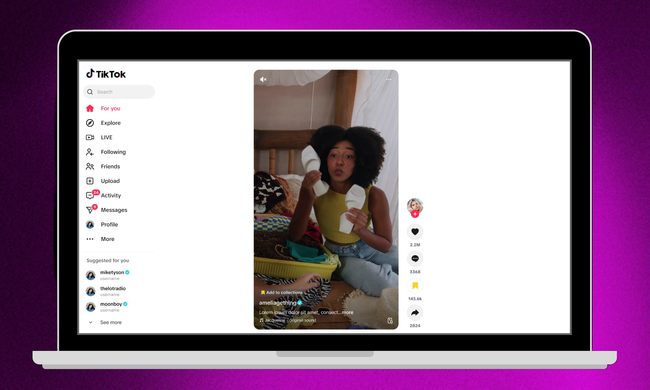
Home page of TikTok on Web.

AI deepfakes have become a headache for creators, and TikTok is finally stepping up to fight back. Social media consultant Matt Navarra spotted the platform quietly testing a new opt-in tool that hunts down AI-generated content mimicking a creator's face, giving them the power to flag it directly.

https://twitter.com/MattNavarra/status/2078129989128450064

Read more
You can now generate songs in your iMessage chats
iMessage users can now turn chats into short AI-generated songs
Text, Business Card, Paper

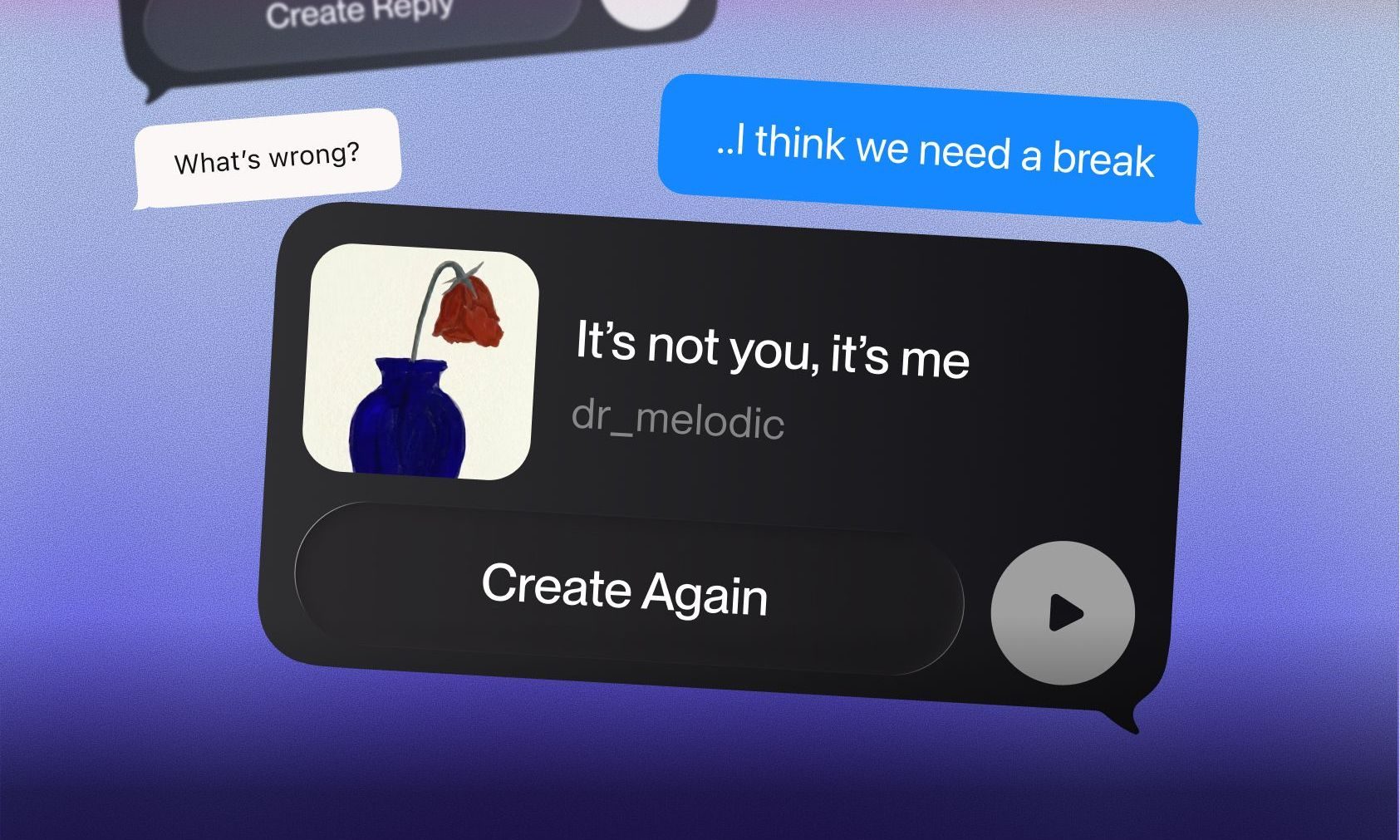
Suno has added an iMessage extension to its iOS app, letting users generate 30-second songs from voice recordings or typed prompts inside a Messages conversation.

The feature is available in the latest version of the Suno app and requires both people in the chat to have it installed. Users can access Suno from the plus menu in Messages, create a track, and share it without opening the standalone app.

Read more
The UK just proposed a midnight social media curfew for teens that they can bypass in seconds
The government wants 16- and 17-year-olds off apps like Instagram, TikTok, and YouTube from midnight to 6 AM, but the restriction has a built-in workaround.
Girl using a black phone while lying down

The UK just proposed a midnight social media curfew for teenagers, but it comes with a built-in escape hatch. According to the BBC, the UK government plans to restrict social media access for 16- and 17-year-olds between midnight and 6 AM, preventing them from using apps like Instagram, TikTok, and YouTube. But getting around it will take nothing more than a few taps.

A curfew teens can switch off

Read more