  1. Home
  2. Social Media
  3. Mobile
  4. Legacy Archives

The horror and wonder of tagged photos is now on Instagram

Add as a preferred source on Google

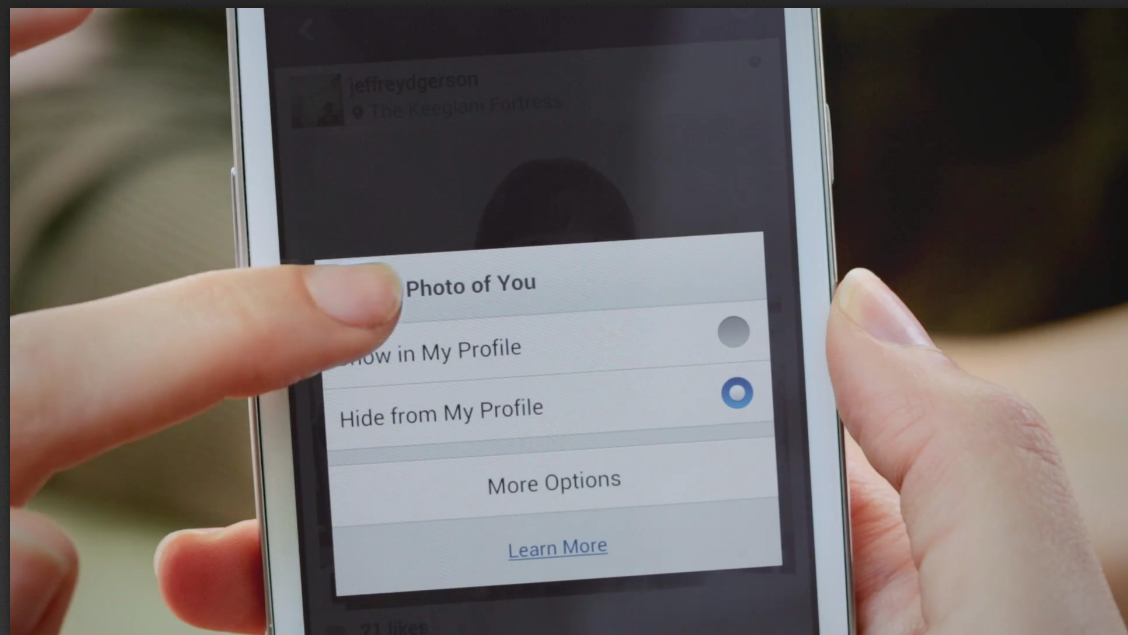
Screen Shot 2013-05-02 at 12.16.33 PMYou don’t have to resort to @ mentions in your comments anymore – Instagram just announced a new feature, and now you can tag your friends in photos, in a function similar to Facebook’s tagging system.

The new feature is called “Photos of You,” and it creates a new section on your Instagram profile devoted to photos you’ve been tagged in, along the same vein as the “Tagged Photos” section on your Facebook profile. And you can tag other people when you take photos of them, or photos you think they’d like, by tapping “Add People” on the share screen, and then typing in your friend’s username or first name until their handle pops up.Screen Shot 2013-05-02 at 12.17.25 PM

Recommended Videos

You can tag a whole slew of people if you’re taking a group shot, but unlike Facebook, you can’t tag people in other users’ photos – so if, for instance, you see your friend Pete pop up in your friend Emilie’s feed, you can’t take the initiative and tag them.

If you’re not sure about the whole thing, Instagram is giving users until May 16 to check out the feature with everything set to private, so you have a chance to get acquainted.

So who will be able to see your photos? It depends on your settings. If you want, you can keep all of your photos private by setting your profile to “private.” Otherwise, if your account is unlocked, everyone can see your “Photos of You” section as well as the photos you put up. If you want to keep your account public but you’re worried about someone putting up a horrendous picture, you can change your settings so that you manually approve all of tagged photos before they go up, instead of them automatically appearing.

This new feature makes the service even more fun to use with friends, so Windows 8 fans are probably more eager than ever for the potential Instagram debut on the horizon.

Kate Knibbs
Former Contributor
Kate Knibbs is a writer from Chicago. She is very happy that her borderline-unhealthy Internet habits are rewarded with a…
X’s creator payouts are changing, and original content is the new currency
The platform is replacing Revenue Sharing with a program designed to reward creators who actually make something.
X Twitter on iPhone

X is changing the rules for creators yet again. This time, the platform wants to put less emphasis on simply generating engagement and more on actually making something original. X is replacing its controversial Creator Revenue Sharing program with a new initiative called Original Content Rewards, which will officially launch on September 8, 2026. The existing Revenue Sharing program will continue paying participating creators through September 7, after which the new system takes over.

X wants to reward creators, not engagement farmers

Read more
Snapchat’s Spotlight algorithm now favors human-made videos over AI-generated ones
Snapchat is taking a firm stance against AI slop.
Snapchat-App-Store-open-on-iPhone

If you've been uploading fully AI-generated videos on Snapchat in hopes of earning rewards, it might be time to rethink your strategy. Snapchat has announced changes to Spotlight that prioritize authentic, original creativity over content created entirely by artificial intelligence. The company says its recommendation system will now favor videos made by real creators, while fully AI-generated submissions will no longer qualify for monetization.

So what's changing on Spotlight?

Read more
LinkedIn is crowdsourcing its fight against AI slop
The company is rolling out a new button that lets you flag posts that seem AI generated.
LinkedIn seems like AI slop button

LinkedIn has a serious AI slop problem, and it's now turning to its own users to help fix it. The platform is rolling out a new button that lets users flag posts they suspect were generated by AI. It plans to use that feedback to fine-tune the system that decides how much reach a post gets outside a user's own network, based on how AI-generated it appears.

The announcement comes shortly after an analysis by Pangram found that more than forty percent of long-form LinkedIn posts are fully AI-generated, and it suggests that the reach-trimming measures the company rolled out earlier this year haven't been enough on their own.

Read more