Land Rover brings Freelander back as EV brand with six models planned
Land Rover is reviving Freelander as a standalone EV brand with six models planned. The first launch lands this year in China, signaling a fast, tech-heavy push into the premium electric market.

Google Photos wants to stop you from accidentally ruining your snaps
Google Photos is redesigning its editor to reduce accidental changes, replacing gesture shortcuts with a more deliberate workflow that prioritizes precision, stability, and fewer unintended edits across Android devices.

You’re wasting money on audiophile cables, new tests suggest
A lab test comparing a $7 RCA cable with a $4,000 model found no real difference in sound quality, challenging a core audiophile belief and showing your upgrade budget is better spent elsewhere.

Your Pixel can now switch to transit mode without you touching it
Google’s new Pixel Transit mode adjusts your phone automatically during train rides, but it takes time and data access before it becomes truly useful for your daily commute.
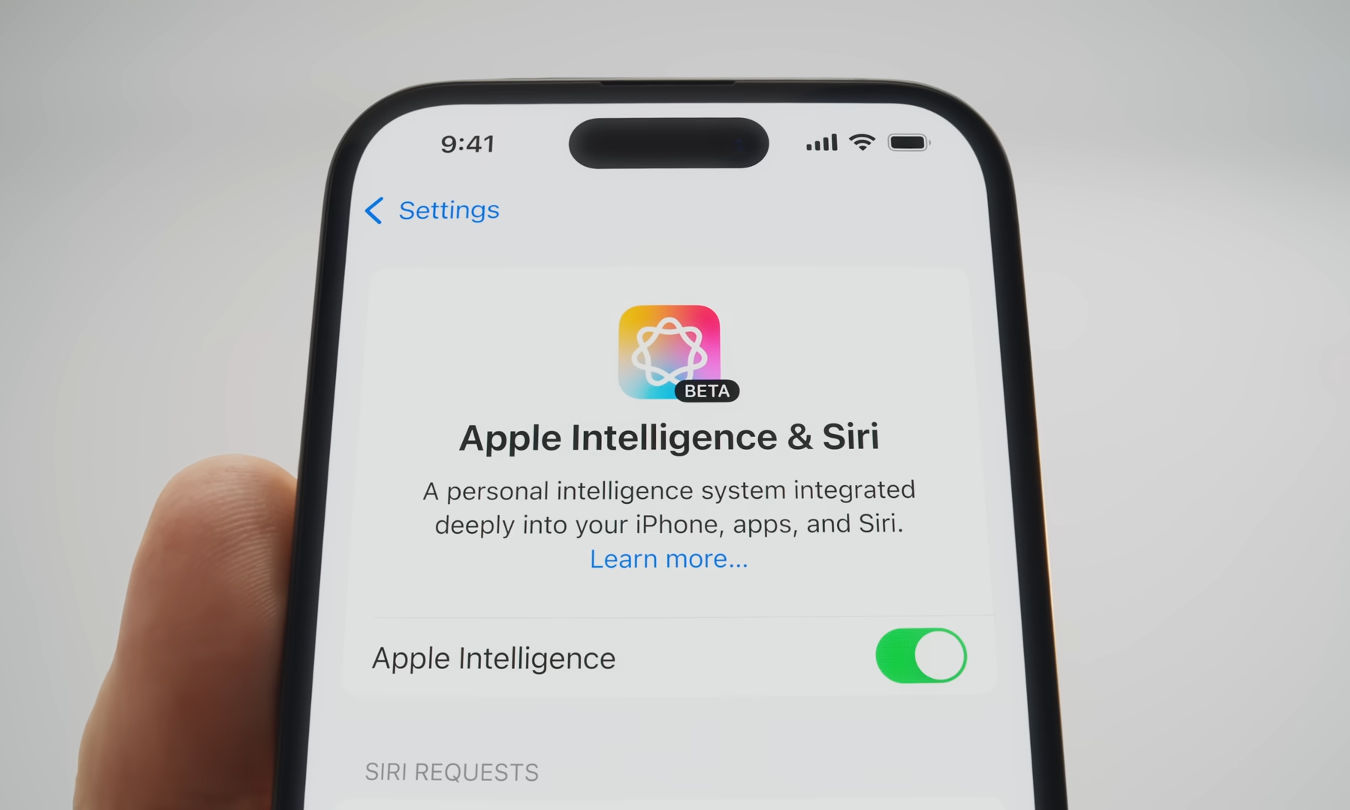
Apple Intelligence shows up in China early, then gets shut down fast
Apple Intelligence briefly appeared on iPhones in China before vanishing, revealing how close Apple is on software and how far it still has to go with regulatory approval.


Apple has fixed the iPhone’s misfiring keyboard, but it’s time to ditch it for a better option
Apple fixed a major iPhone typing bug in iOS 26.4, but the keyboard still lags behind rivals like Gboard and SwiftKey in accuracy, features, and customization, making third party options a smarter choice.


Your Android phone is getting an AirDrop-style tap to share trick
Google and Samsung are building a tap to share feature for Android that lets you transfer files by holding two phones together. Evidence appears across One UI 9, Play Services, and Android 17.

Google is preparing a priority charging feature for phones for rush scenarios
Google is testing a priority charging feature in Android 17 that shifts power away from background activity so your phone gains more battery during short charging sessions, without cutting off essential functions like calls and texts.

Android 17 has a cool new trick to keep AI assistants from screaming in your ears
Android 17 adds a separate assistant volume control, preventing sudden loud voice replies when you raise media volume. It’s a small tweak that makes everyday interactions with Gemini and other assistants far more comfortable.

Apple announces new sci-fi film Liminal and I can’t wait for it
Apple’s new sci-fi movie Liminal pairs major talent with a proven story, and it’s already shaping up as one of its most promising genre projects to watch.

Android 17 makes your internet controls way less frustrating
Android 17 Beta 3 splits Wi-Fi and mobile data into separate Quick Settings tiles, removing an extra step that slowed down simple connection changes and making everyday phone use feel more direct.


Walmart’s next move could reshape your Google TV setup
Walmart may be preparing both a new Google TV streamer and a lineup of Onn smart TVs, signaling a broader push into affordable home entertainment hardware built around one platform.
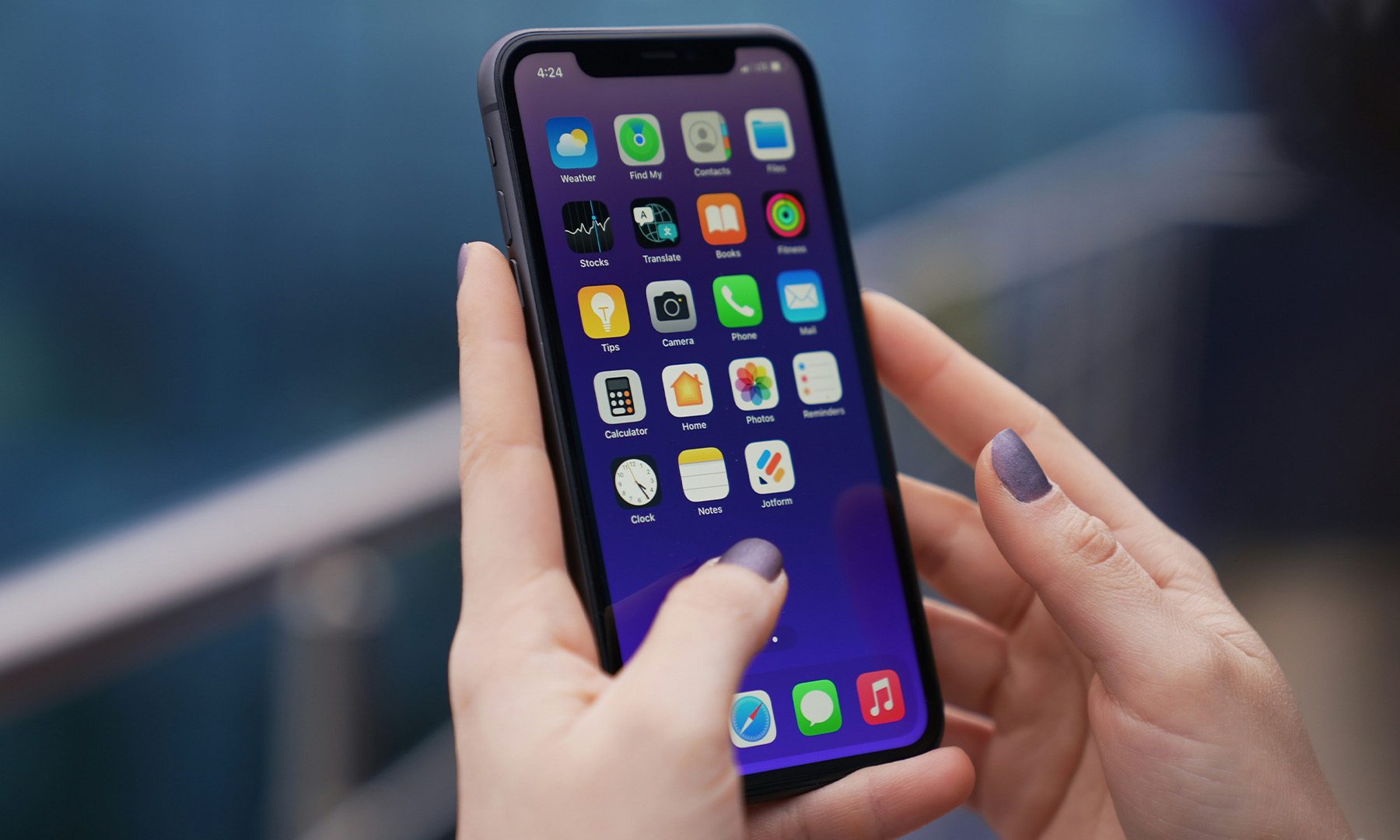
Apple’s next big iPhone camera bet could be 200MP
Apple may be testing a 200MP iPhone camera with a larger sensor, signaling a bigger leap in photo quality, but there’s no confirmed model or release timeline yet.

Android web browsing just overtook iPhone speed, Google says
Android phones may now browse faster than iPhones, as Google claims Chrome has overtaken Safari in key speed tests. The real world impact depends on your device, network, and the sites you visit.


You are about to see a flood of product recommendations on Instagram and Facebook
Your Instagram and Facebook feeds are about to get more shoppable, as Meta rolls out new affiliate tools that let creators tag products directly inside posts and Reels, pushing more buying opportunities into your scroll.

Gemini avatar lets you appear in AI content without filming yourself
Google may soon let you create a reusable 3D avatar inside Gemini, allowing you to insert yourself into AI-generated images and videos without constant selfies, signaling a shift toward faster and more consistent content creation.


Android Auto connection issues leave Pixel and Samsung users stuck
Android Auto connection issues are hitting Pixel and Samsung users, with widespread reports of failed or unstable connections. A recent update or Android 16 feature may be involved, but no fix is available yet.
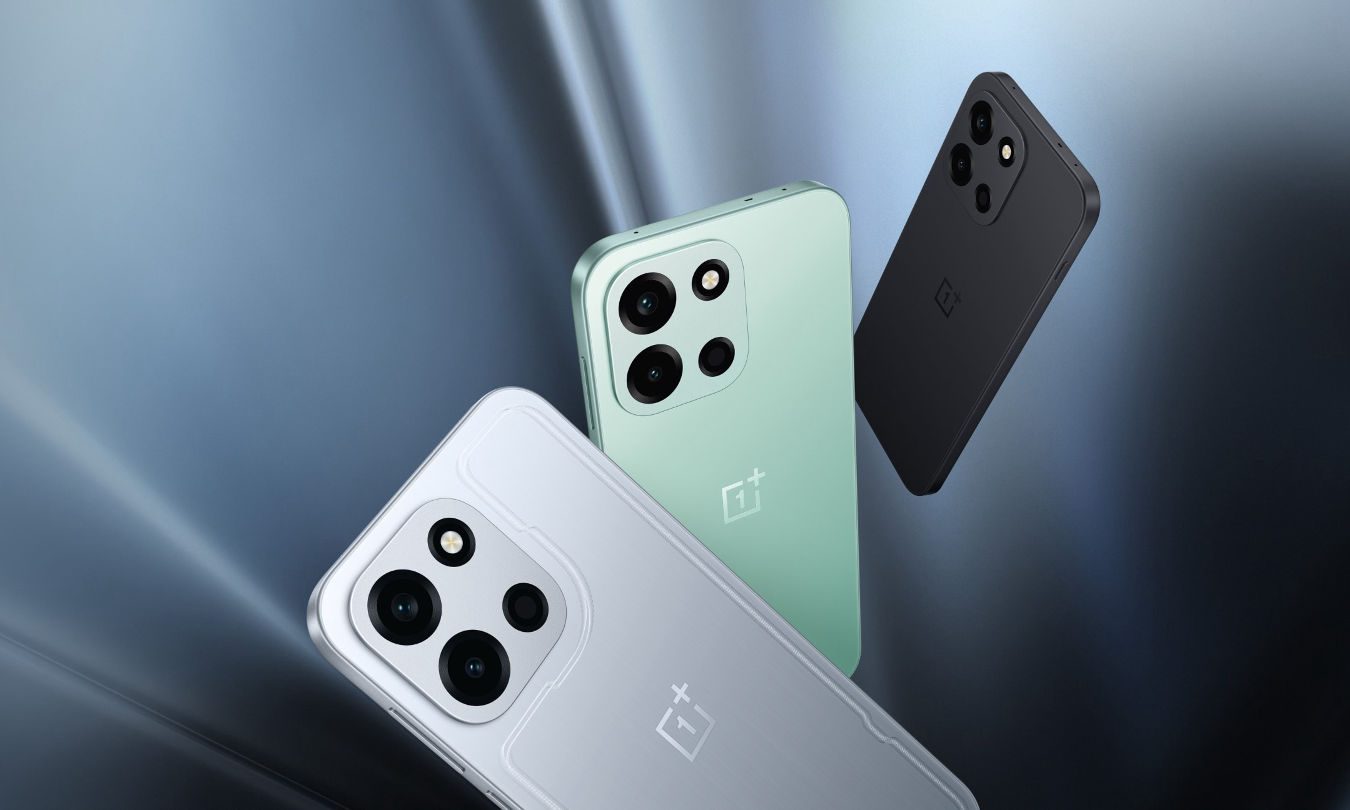
This new OnePlus phone could kill battery anxiety for good
A 9000mAh battery and fast charging could make the OnePlus Nord 6 a standout for endurance, but real-world results will decide if it truly changes expectations in the midrange segment.

Sharing files on Galaxy S26 just got simpler with AirDrop support
Samsung brings AirDrop-style sharing to Galaxy S26 with a global Quick Share rollout starting March 23.

GrapheneOS takes a hard line on privacy, no ID checks anywhere
GrapheneOS is holding firm against global ID rules, keeping its no-account policy even if that limits access in some regions, trading convenience and availability for stronger privacy protections.
Android Canary update brings big changes, but nothing is guaranteed
Android Canary 2603 introduces promising features like app lock and bubbles, but nothing is guaranteed to ship. Here’s what the latest experimental build reveals about Android’s direction and what to watch next.


Hydrogen fuel cars never caught on, but it just might produce next-gen long range drones
Hydrogen never worked in cars, but researchers in Norway have built a drone that runs on it, swapping batteries for a fuel cell to handle long-range jobs like power line inspections.


The FBI is buying location data on Americans, here’s what it means
The FBI confirms it’s buying location data on Americans again, using data brokers to access movement history without a warrant, as lawmakers push to close a growing legal gap.

Samsung is apparently serious about a phone with a slidable screen
Samsung’s slideable phone is getting serious, with a 7-inch expanding display and a focus on durability that could avoid common foldable tradeoffs.