1. Home
  2. Computing
  3. News

HTC smartphone VR headset coming by end of the year

Add as a preferred source on Google

Looking to offer an analog to the Gear VR headset and some of the emerging mobile virtual reality solutions, HTC has announced that it will introduce a mobile VR headset by the end of 2017. Designed to work with the company’s upcoming high-end smartphone, the U Ultra, it may also end up supporting other mobile VR products before the end of the year.

Having split off its virtual reality business into its own separate entity last year, HTC is making a big drive for virtual reality in 2017. Part of that has been in the continuing evolution of its Vive headset, but also it seems in the creation of a new, mobile-focused headset.

Recommended Videos

If effective, this move should help sell the U Ultra smartphone and provide additional value for those who were already planning to purchase it. More importantly though, it will give HTC a more affordable VR solution for those who cannot afford a headset like the HTC Vive, or the gaming PC required to run it.

While this will give it a comparable product to the Gear VR — which for non-Google Cardboard-type headsets, is the most popular of them all — HTC does suggest that its mobile VR solution will be more than just a “phone slapped into a headset.” While HTC didn’t give much detail about what that might be, in its chat with CNET it reiterated that we can expect something a little different with its mobile alternative to the Vive.

Speculating about what HTC’s mobile virtual reality solution might be like, we can assume from its mention of U Ultra support that it will still use the phone itself as the VR display. While it’s possible that the compatibility with the handset could mean that it plugs in and uses the phone’s processing for a secondary display in the headset, or uses the touchscreen as a controller, that seems unlikely.

Perhaps what HTC will look to offer with its mobile headset is something we have yet to see from the others. Something like inside-out positional tracking perhaps.

What kind of innovation do you think HTC could bring to the mobile VR space?

Jon Martindale
Jon Martindale covers how to guides, best-of lists, and explainers to help everyone understand the hottest new hardware and…
The maker of ChatGPT wants to make open-source projects less of a security bargain
OpenAI launches Patch the Planet for open-source security, with over 30 open-source projects on board.
openai-chatgpt-os

OpenAI has launched Patch the Planet, a new initiative aimed at fixing one of the internet's quietest problems – the chronically underfunded security of open-source software.

Patch the Planet pairs OpenAI's most security-capable AI models with Trail of Bits, a security firm that has committed its entire research organization to the effort, alongside support from HackerOne and Calif.

Read more
I sifted through the Prime Day chaos to find the best Apple deals actually worth buying
Apple's about to hike prices. Prime Day 2026 is your last chance to save up to $150 on MacBooks, AirPods, and iPads.
Prime Day Deals on Apple Products

Apple is set to increase the prices for its upcoming iPhones and MacBooks, as the company can no longer offset the rising RAM and storage costs. That means, if you are looking to upgrade your aging device, you should buy the current-generation Apple products rather than wait for the new ones.

And since Amazon Prime Day is offering good discounts on the latest iPhones, iPads, MacBooks, and other Apple accessories, this is the perfect time to buy them. Here are my favorite Amazon Prime Day deals for Apple products. 

Read more
This sneaky photo trick gets AI chatbots to ignore their safety rules
Florida International University researchers built a method that nearly doubled the rate of harmful responses from a tested AI model using nothing but pixel-level edits in an image.
JaiLIP AI chatbot exploit image

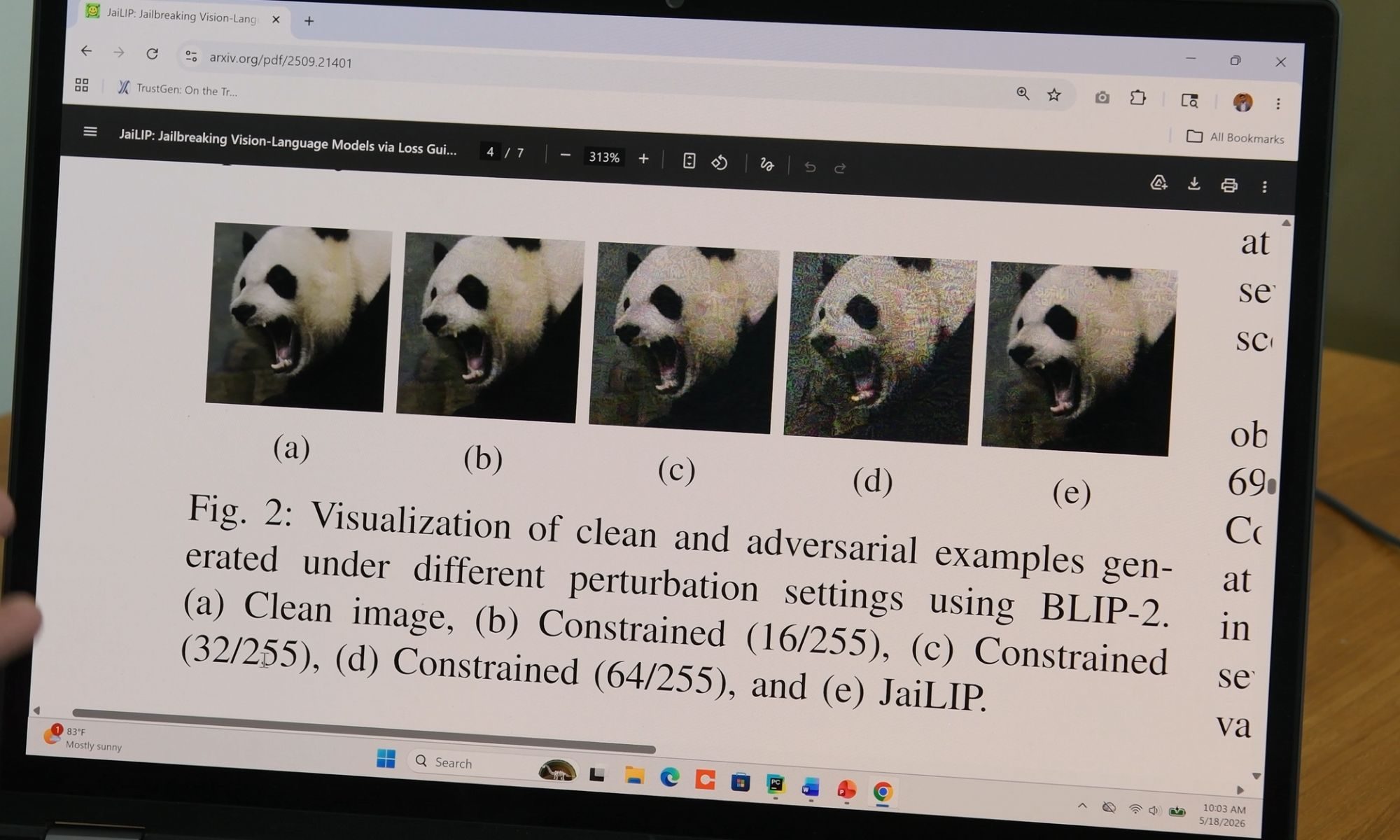
A photo that looks completely ordinary to you could carry a hidden instruction to trick an AI chatbot into ignoring its safety rules, according to new research out of Florida International University. The study found that pixel-level alterations in an image that are invisible to the human eye can be enough to confuse the model reading the image and lead it to generate responses it would normally block.

Hacking what the AI sees

Read more