1. Home
  2. Computing
  3. News

Palmer Luckey pledges $2,000 a month toward the development of ReVive

Add as a preferred source on Google

In March 2017, Oculus VR co-founder Palmer Luckey parted ways with Facebook in the aftermath of the legal battle between the company and Zenimax over its virtual reality technology. However, it seems that Luckey still has strong opinions regarding how Oculus should operate its Rift platform. Luckey has apparently pledged $2,000 per month to a Patreon campaign supporting the development of ReVive, according to a report from IGN.

The ReVive project is run by Jules Blok, and sets out to make software that’s exclusive to the Oculus Rift headset fully playable on the HTC Vive.

Recommended Videos

“As some of you suspected the sudden extreme jump in the pledge amount is indeed by Palmer Luckey,” Blok wrote in a post published to the ReVive Patreon page. “I’d like to thank him for his pledge and everything he has done for the VR community as a whole.”

Luckey is something of a controversial figure within that portion of the VR community that is on the political left, having earned plenty of goodwill from his peers for his efforts to nurture the technology, ahead of a backlash to his financial support of pro-Trump groups during the 2016 presidential election. Following his exit from Facebook, he has founded a new startup that will develop surveillance technology aimed at the defense industry.

It remains to be seen whether there will be any fallout from his decision to support Blok’s Patreon campaign. While the public presentation of his departure from Facebook painted the split as being amicable, it seems likely that the company would take issue with him funding the project.

Oculus implements a walled-garden approach in order to better compete with the HTC Vive, which is its biggest rival in terms of VR hardware. Luckey has spoken out against this strategy previously, but obviously contributing thousands of dollars to the development of a workaround makes a much more dramatic statement.

It’s easy to see why someone who played a major role in getting VR off the ground would want to see software made available to the widest possible audience, without hardware restrictions. However, given the recent history between Luckey and Facebook, this kind of public donation doesn’t seem like a particularly shrewd move.


Brad Jones
Brad is an English-born writer currently splitting his time between Edinburgh and Pennsylvania. You can find him on Twitter…
The MacBook Air and iMac are next in line for Apple’s OLED push
OLED MacBook Air could arrive in 2028, while the iMac remains further out
MacBook Air M5

Previous reports have indicated that Apple plans to launch redesigned MacBook Pros between the end of this year and early next year featuring touchscreen OLED displays, but the brand’s OLED ambitions for its Macs won’t end there.

Bloomberg’s Mark Gurman now reports that Apple is also working on OLED versions of the MacBook Air and iMac, corroborating earlier supply-chain reports about both devices. The information comes from people familiar with Apple’s plans, although neither product appears close to release.

Read more
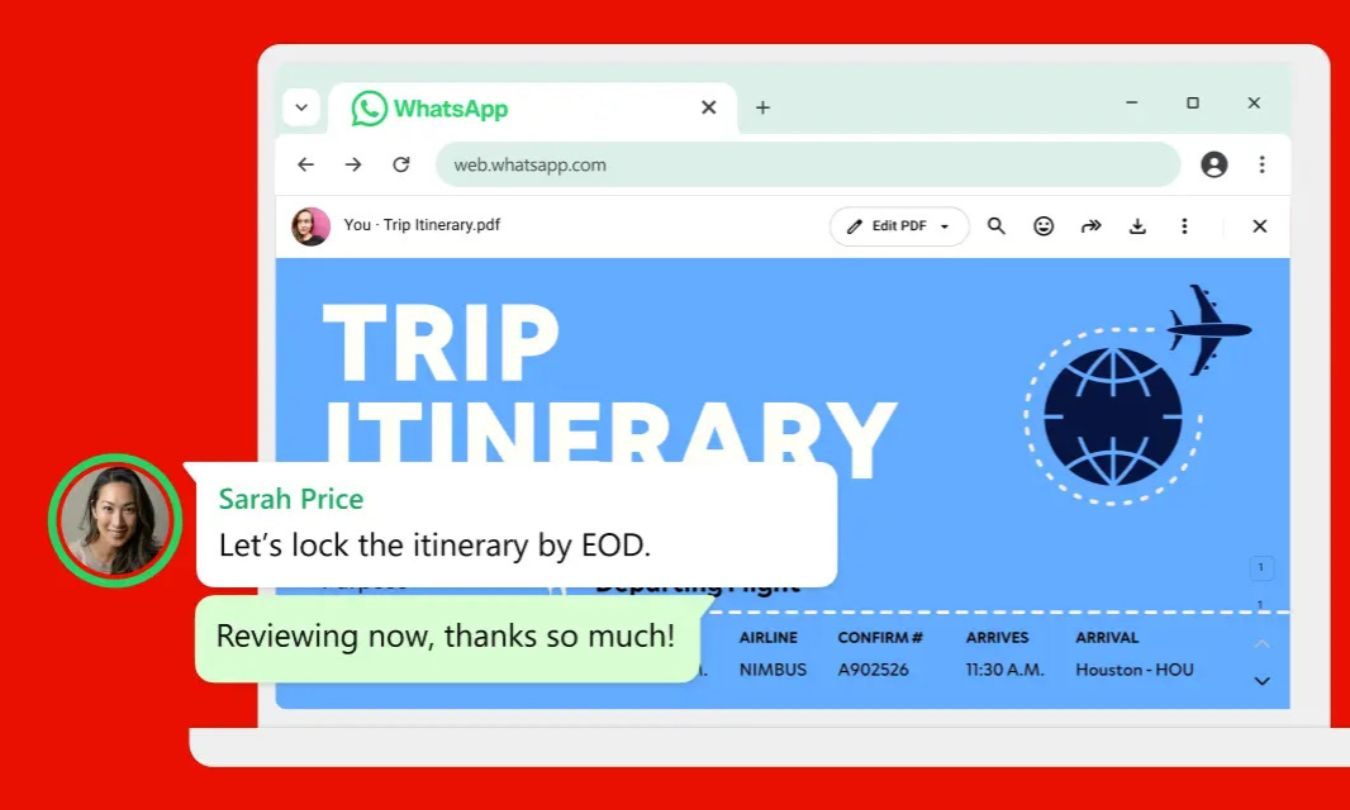
WhatsApp can now open and edit PDFs without making you download them first
Adobe Acrobat is adding built-in viewing and annotation tools for PDFs shared through WhatsApp on larger screens
Text, Person, Aircraft

Adobe is making PDF attachments much less annoying in WhatsApp. Its new Acrobat integration lets you open a PDF and mark it up without downloading the file or leaving the conversation.

The feature is available today through WhatsApp Web and the Windows app. The headline comes with an important caveat, though. This isn’t full PDF editing. You can review and annotate a document, but you can’t rewrite its original text or rearrange the layout.

Read more
Substack now lets you check if a post was written by AI
A new Pangram-powered scanner lets you check posts, notes, and replies for signs of AI writing.
Video playing on Substack.

Substack is giving readers a way to check whether the post they're reading was written by a human or by a chatbot. The company has partnered with AI-detection firm Pangram to introduce new tools that will let users scan posts, notes, and replies for AI-generated text. CEO Chris Best introduced the features in a post titled "Against Claudefishing," his term for content that leans on AI while presenting itself as human work.

How the scanning tool works

Read more