Imagine if a case actually didn’t only protect your phone, but enhanced your ability to use it? That’s the thinking behind an Apple patent for a smart case made of a “quantum tunneling material” that could actually extend touch-sensitivity to the back of a phone. The application, published Thursday by the United States Patent and Trademark Office, according to Patently Apple, details how the technology could be applied to the iPhone and Apple Watch, and even to accessories like EarPods.
The phrase “quantum tunneling material” sounds complicated, but is in fact relatively simple to understand. Typically, an electrical charge can’t travel well through the types of materials used for phone cases, like silicone or leather. As a result, outfitting those surfaces with touch controls is quite difficult, because capacitive touch relies on changes in electrical charge to work.
What Apple has supposedly discovered, however, is that if a touch-sensitive conductive surface is placed within an insulating material, and that insulating material is deformed under pressure from the user, that deformation could trigger an electrical response in the conductive panel. Those two elements sandwiched together, in layman’s terms, is a quantum tunneling material.
In the patent diagrams, Apple depicts a wide range of uses for this technology; for one, smart cases with areas that respond to multitouch gestures. The figures show a case drawing energy from an iPhone through a Lightning connector, though advancements in wireless charging technology could hopefully one day curb that limitation.
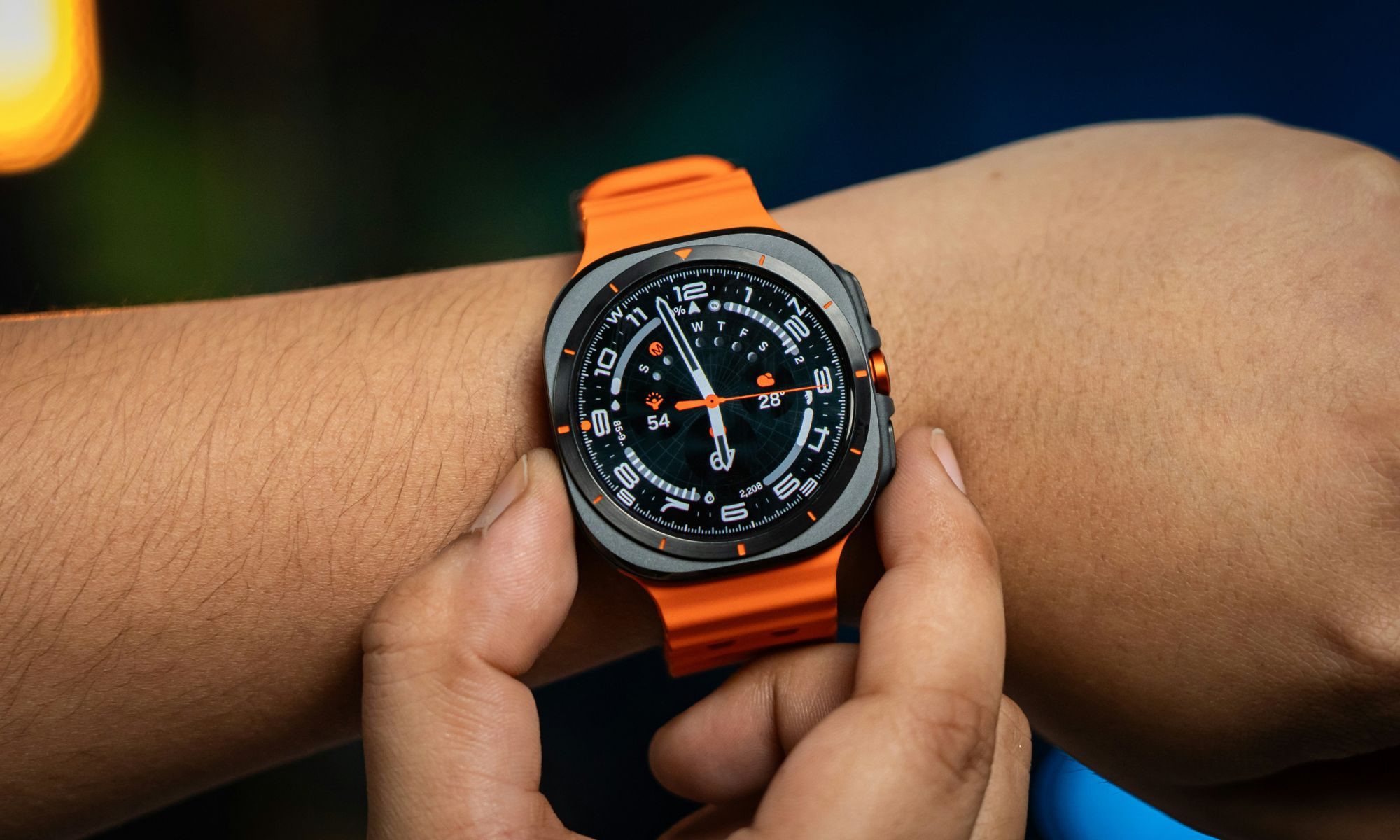
Potentially more promising is Apple’s idea for how the technology could interface with its smartwatch. The band could itself become a quantum tunneling material, which would pose an even greater benefit to a watch compared to a phone, as interaction with watches is usually confined to the small space of a screen. The patent would greatly expand that surface area, and the unique form of a band could make gestures like scrolling or adjusting volume much more intuitive while eliminating the need for physical buttons — something Apple has been trying to do across all its devices.
Finally, the company goes on to show how quantum tunneling materials could also enhance the experience of using EarPods. The technology would ideally make the cord itself touch-sensitive for playback controls. While it’s somewhat ironic that Apple would attempt to innovate in the area of headphone cables at the very same time it is trying to cut them out of our lives entirely, this particular example would transform an everyday annoyance into a functional asset.
Patently Apple notes that this particular application was filed in the third quarter of 2015, and, like all patents, is not indicative of any surefire features coming to your next iPhone. However, this appears to be one of Apple’s most useful and innovative ideas in recent memory, and we hope to see it come to fruition down the line.