1. Home
  2. Wearables
  3. Android
  4. Gaming
  5. Mobile
  6. News

You can play Half-Life on your Android smartwatch, but should you?

Add as a preferred source on Google

Step aside, Doom — running Half-Life is the new test of a device’s mettle. Modder Dave Bennett has managed to get Valve’s seminal first-person shooter running on an Android-powered LG G smartwatch. (via Ars Technica)

Bennett — a computer science major with a YouTube channel about modding Android, Chromebooks, and Linux — used the SDLash app to emulate GoldSource, the game’s engine and predecessor to Valve’s popular Source engine. It’s more a proof of concept than a way that anyone would really want to play the classic game. It runs, but not consistently, and the 1.65-inch touchscreen controls don’t lend themselves especially well to the nuance necessary for first person shooters.

Recommended Videos

“At times, the game got as high as 30 FPS, and other times as low as 2 FPS,” Bennett explains on his blog, where you can find step-by-step technical instructions of how to do it yourself, if you are so inclined, though he advises against it. “Of course, things such as the lava graphics and special lighting caused a huge drop in FPS. Also, trying to play a game on Android Wear is a nightmare within itself. The app offers touchscreen controls, but on a 1.65-inch screen, they are almost impossible to use. Also, swiping to the left causes the screen to go back to the previous window. Are you still interested in doing this?”

Ever since id Software released the source code for its genre-defining Doom in the late ’90s, it has become standard practice for modders and hackers to get it running on digital devices not otherwise designed to play games — a sort of next-level “Hello World” program to demonstrate mastery over a system. Recent examples of nontraditional systems running Doom have included a Canon Pixma printer, a different Android smartwatch, and another copy of Doom itself.

Half-Life was first released in 1998, five years after the original Doom. With 3D graphics and an unprecedented use of scripted sequences to advance the story, Half-Life was a major step forward for the first-person shooter genre, and as such represents a logical next step for hackers to use now that the processors of most digital devices are powerful enough to make running Doom increasingly trivial.

Play Half Life on Android Wear
Will Fulton
Former Staff Writer, Gaming
Will Fulton is a New York-based writer and theater-maker. In 2011 he co-founded mythic theater company AntiMatter Collective…
A new iPhone app can sniff out Meta smart glasses lurking nearby
Your iPhone can now keep an eye on the glasses keeping an eye on you
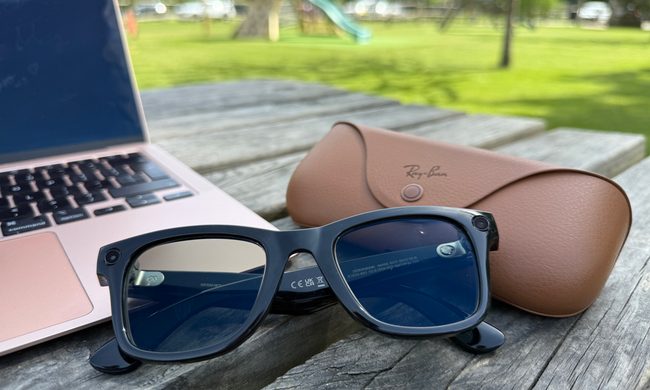
The Ray-Ban Meta smartglasses and case.

Android users got an unusual privacy tool earlier this year that could alert them when smart glasses were nearby. Five months later, iPhone owners finally have something similar, and its name makes its feelings about Meta pretty obvious.

AntiZuck is a $2.99 iPhone app that scans for Bluetooth signals associated with smart glasses and alerts you when it thinks one is close. It supports devices including Meta Ray-Bans, Snap Spectacles, Amazon Echo Frames, and RayNeo glasses, while the developer says additional hardware is being added.

Read more
Apple’s smartwatches will look the same for at least another year, or two
Apple's Series 12 and Ultra 4 are reportedly skipping a redesign this year, leaving chip upgrades and health tracking to carry the entire generation.
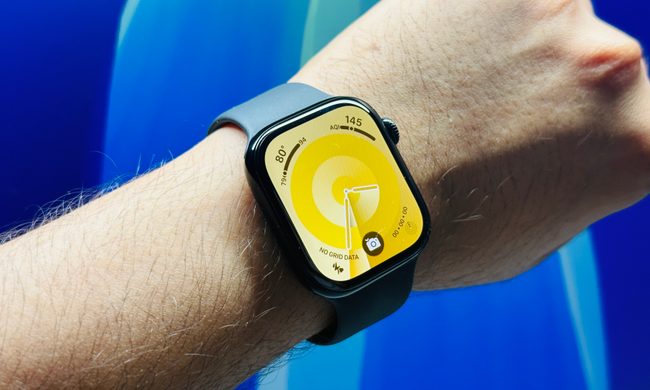
Apple Watch Series 11 on home screen.

For the last few years, every single Apple Watch has looked identical to the last. The Apple Watch Series 11 shared its dimensions and looks with the Watch 10, and the Watch 10 with the Watch 9. Turns out that streak might not break in 2026 either.

So what's actually changing this year?

Read more
Apple’s smart glasses are running late because they don’t want to stir a privacy storm
Apple is taking extra time to make sure its smart glasses do not inherit Meta’s creepy reputation
Meta Glasses

Apple could unveil its first smart glasses at WWDC in June 2027, followed by a consumer release toward the end of the year, according to Bloomberg. The device, internally codenamed N50, had reportedly been scheduled for an introduction in late 2026 and a launch in early 2027.

Part of the delay reportedly stems from Apple’s engineering and marketing teams spending more time refining the product and deciding how to address the privacy concerns that come with putting cameras on someone’s face. Privacy is said to be the top priority for the teams working on the glasses.

Read more