“The Huawei Fit is durable and has accurate heart-tracking, but the user interface needs work.”
- Metal, water-resistant body
- Easily interchangeable straps
- Cross-platform compatibility
- Accurate, daily heart rate tracking
- No motivational feedback
- Often unresponsive UI
- Poor notification appearance
- Few watch faces
- Big bezel
“Why you can trust Digital Trends – We have a 20-year history of testing, reviewing, and rating products, services and apps to help you make a sound buying decision. Find out more about how we test and score products.“
Fitness bands are the winning wearable at the moment, with smartwatches stalled while we all wait for Android Wear 2.0, better looking models, and ultimately, a real reason to buy one. Among fitness wearables, it’s either Fitbit and its expensive bands or cheap bands like those from Xiaomi that people are buying. Further confusion comes when you look at Fossil’s excellent range of hybrid smartwatches, which represent a strong reason to splash out on something more attractive than a Fitbit.
With all this in mind, we’ve been wearing the Huawei Fit, a $130 activity tracker that also has a selection of basic smartwatch-style features. It’s more Fitbit than Fossil, and four times the price of a Xiaomi Mi Band 2 — so is it worth strapping on your wrist?
Design and comfort
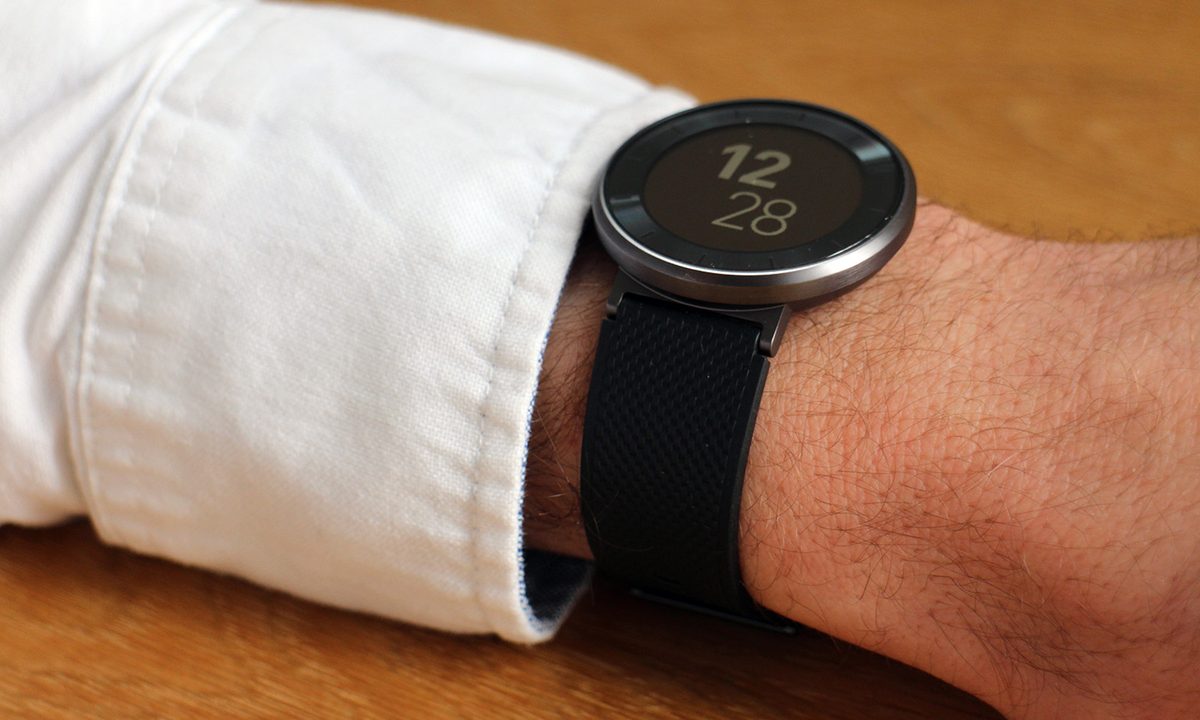
The Huawei Fit looks quite a lot like the Huawei Band, which was released at the beginning of 2016, and also quite a lot like the Honor Band Z1, which is basically the same as the Band. It has a circular, subtle, 1-inch screen with a 208 × 208 pixel resolution, surrounded by a bezel engraved with hour markings. Oversize bezels are rarely heaped with praise — shudder as we remind you of the Pebble Time Round — but here it’s rather attractive, and catches the light pleasingly.


The Fit has a metal, IP68 water-resistant body that comes in gunmetal grey only. Our review watch came with a black silicone strap, but blue and orange ones are also available and can be quickly changed over if the mood takes you. The strap isn’t tapered, and it’s quite thin. Combined with the small face, the strap ensures the Huawei Fit will suit most wrist sizes. It’s attached to the body with a quick release system, and any compatible aftermarket strap with the same fixings should quickly and easily fit.
The Fit is a great workout buddy.
Although made of a soft material, the strap did get a little sweaty underneath, and it would often painfully catch the hairs on my wrist when undoing it too. Otherwise it was comfortable, but the Huawei Fit doesn’t go unnoticed by the wearer in the same way a lightweight, super-slim fitness tracker does. It’s made to be worn 24-hours a day, but it took a few nights for me to get used to wearing it while I slept, and it would often just end up on the bedside table. This isn’t the Fit’s fault, as I have the same issue with any watch-like fitness tracker. It’s something to consider if you’re the same at night, however.
There are six digital watch faces to choose from, with two providing more information than simply the time and date, although only one actively shows your step count. The rest are variations on a basic watch face, and aren’t very inspiring. This rather encapsulates the Huawei Fit’s look overall. It’s attractive in a safe way, doesn’t take any design risks, and is therefore a little forgettable.
Watch operation
It’s all touchscreen control on the Huawei Fit; there are no buttons at all. The menu system is navigated using up and down, and left and right swipes, much like Android Wear. However, the Fit uses Huawei’s own proprietary operating system, and it’s not the fastest or most responsive we’ve tried. Swipe up from the standard watch face and you cycle through your step count, workout plan, heart rate measurement, training plan, and a “More” option for all the settings. Tap an option to explore it, and you swipe left to return to the main menu, then finally the watch face.

Yes, there’s a lot of swiping, and no, that’s not always a bad thing, but the Fit needs a little care to make sure those swipes register, and its slight lack of responsiveness can be frustrating. I found this especially annoying when using it on the move, something you may want to do often, seeing as it tracks running, walking, and cycling. More than once I gave up trying to get a heart rate reading while on the treadmill, because I just couldn’t get the screen to react. You can set it to move through menus with a wrist flick, but I could only get the menus to move in one direction, and it always stops at the heart rate measurement screen, which made it pointless if you wanted another option.
It’s unfortunate, because the Fit is a very good workout buddy. The heart rate measurement matched the Apple Watch to within a few beats each time, and will take a reading every so often, ensuring you get a great overview. This is illustrated in the app itself, or on the watch’s screen, and is an important metric for serious fitness types. It’s one of the Fit’s winning features, and we’re pleased to see the active measuring doesn’t drastically reduce battery life. When compared to a Fitbit Charge, step count was always consistent between them.
Ideally, the Fit wants you to start a workout plan on the watch before you actually start moving about. Get that done, and you have a live timer, step count, and heart rate measurement on your wrist; and it’s very useful. Flick your wrist and the display illuminates, then swipe the screen (if you can) to get more data including calories burned and total time. We have no complaints about the Fit once it’s going, but getting there isn’t as slick as we’d want.
Ultimately, the Fit is simply overcomplicated. It doesn’t need a touchscreen, it doesn’t need so many options and menus, and it definitely doesn’t need notifications, which look messy and confusing. Strip the Fit back to basics, keep the design, and it would be a far better fitness tracker.
App
The Huawei Wear app works with both Android and iOS, and you’ll need to sign up for a Huawei account to get started, regardless of the device you use. The app remained stable, without any problems on either operating system, throughout our time with the Fit. It’s easy to use, and informative up to a point.


It’ll send notifications from your phone to your wrist, including SMS, emails, and WhatsApp messages, but they’re not formatted very well. They bend around the circular screen’s shape, making the text awkward to read, and the large font means a line or two needs several swipes to read completely. They don’t auto-dismiss either, so will show on the screen when you raise your wrist. That’s not good for privacy, or for quickly checking the time. We quickly turned the feature off. A Bluetooth disconnection alarm is handy though, warning if your phone gets left behind somewhere.
The app’s main screen displays daily steps, the previous workout, sleep, and any active training plans, and a tap brings up graphs, historical data, and more information. Data can be shared and imported from HealthKit on iOS or Google Fit on Android, plus MyFitnessPal. There’s also a heart rate tracking screen, building a complete picture of your heart activity over the day, week, month, and eventually the year. We’ve heard stories of how monitoring heart health in this way can pre-warn the wearer of problems, making it a considerable benefit, and it’s performed effortlessly and accurately here.
The Huawei Fit doesn’t go unnoticed by the wearer.
However, the data you’re presented with is just that: Data. There’s no advice, no feedback, and no motivational messages. The app doesn’t analyze the data it collects, it simply takes in information and presents it — prettily — but leaves the rest to you. The Huawei Fit has access to our heart rate, activity, and if we set one up, training program as well. That’s got to be a comprehensive picture of our wellbeing, so what does it tell us? Nothing.
This problem isn’t unique to the Huawei Fit either, it’s an issue with all fitness trackers. Except we’re supposed to want to wear these devices each day all day, and our own motivation only goes so far. A silent partner soon gets forgotten — even a gym buddy.
Battery and charging
Heart rate monitors are notorious battery hogs, especially those that work in the background on a consistent basis. Huawei has done a smart job balancing this feature with sensible battery life. The Fit will happily keep going for at least a week, based on normal use without notifications, before it needs a recharge. Activate the notifications and you can expect a slight reduction, probably down to around six days, which is Huawei’s official estimate. Charging involves placing the Fit on a rather sad looking plastic plinth, which magnetically secures itself to the watch. It’s ready to go in about 90 minutes from an almost flat battery.
Price, warranty, and availability
The Huawei Fit is yours for $130, or at least 150 British pounds. Huawei offers a two-year warranty on its equipment, but that doesn’t include the battery or the charger, which gets six months coverage. It’s a repair-or-replace scheme, but if you’ve damaged the Fit by abusing it, then it won’t be covered at all.
Our Take
The Huawei Fit is another activity tracker with a swish design and the right features — one that lacks even the most basic feedback and motivational elements to encourage the wearer to put it on every day. Is that a good thing? Meh.
Is there a better alternative?
The Huawei Fit’s price is competitive. It’s cheaper than our preferred fitness tracker, the gorgeous Samsung Gear Fit 2, but it doesn’t have the same level of polish or functionality. However, it still faces considerable competition, from the Misfit Phase to the Garmin Vivomove, and a whole host of Fossil Q hybrid watches. Worse news for the Fit is Xiaomi’s Mi Band 2, as it almost matches the Fit for functionality, is more preferable to wear 24 hours a day, yet costs less than $50.
Sadly, there’s nothing about the Huawei Fit that makes us want to recommend it over any of the others. Android phone owners should check out the Samsung Gear Fit 2, it’s worth the extra money, while iPhone owners would be wise to try the Misfit Ray if they don’t want to splash out for an Apple Watch. Alternatively, save your money and just buy the Xiaomi Mi Band 2, which works with both operating systems.
How long will it last?
The Huawei Fit is very solidly built, with a metal body, an easily replaceable silicone strap, and an IP68 rating for use in water. You’ll have to go out of your way to physically break it. Provided the app is continually updated, there’s no reason the Fit won’t last for many years.
Should you buy it?
No. The Huawei Fit doesn’t overcome the most common problem faced by activity trackers in general: motivating and encouraging its wearer through feedback based on the data it collects. Not doing this increases the chances you’ll abandon the Fit quickly. This wearable already wasn’t compelling enough to make putting it on everyday a habit – combine those two facts and you’ve got a wearable you won’t want.