1. Home
  2. Phones
  3. Mobile
  4. News

The FTC frowns down upon Apple’s 30 percent cut of Spotify revenue

Add as a preferred source on Google

Apple’s handling of third-party music subscriptions has it in hot water with the Federal Trade Commission. According to The Verge, the agency, which began collating evidence earlier this month to determine if Apple had abused its position in the music market to hinder the competition, has begun issuing subpoenas to music services as it ramps up its investigation.

Primarily at issue is the cut that Apple demands of all App Store transactions. Rival music services, as are purveyors of eBooks, newspapers, magazines, movies, and TV shows, are subject to a 30 percent fee on digital wares sold with Apple’s in-app purchase API. The de facto tax around the API, the use of which is required for App Store approval, have led streaming services like Tidal, Spotify, and Rdio to compensate for lost revenue by folding the cost into subscriptions through iOS. Spotify, for instance, prices subscriptions at $12.99 a month on the App Store, or $3 more than the $9.99 it charges on its website.

Recommended Videos

That pricing discrepancy is incredibly apparent next to Apple’s self-titled Apple Music, which starts at $9.99. Certainly, rival services could swallow the added App Store cost, but the streaming music industry’s razor-thin margins — Spotify pays 70% of its income back to the music industry, according to CEO Daniel Ek — make that strategy unpalatable, if not untenable.

A tax on revenue isn’t the only disadvantage rival music services on iOS face. Apple’s terms prohibit apps from pointing to (often cheaper) storefronts beyond the App Store’s walled garden. (Spotify recently worked around this restriction by sending an e-mail blast about lower prices to its customers.) And, unlike Apple Music, third-party services aren’t allowed to offer promotions or family plans. “It’s absurd that a company like Apple can have its cake and eat everyone else’s,” an industry source told The Verge.

Take the policies all together and they begin to sound prejudicial. None are new — companies like Amazon have protested them for years by refusing to sell goods through the App Store — but the debut of Apple Music and the company’s stranglehold on music sales have magnified scrutiny. According to research firm MusicWatch, iTunes retains a 52 percent dominance of paid track and album downloads in the U.S.

Apple, no doubt aware it’s attracted the ire of the FTC, has entertained the notion of adjusting its 30 percent fee. On Apple TV, it already offers a more generous split — 15 percent of revenue. But just what form the new split will take, and whether it’ll be amenable to third-party services and pass FTC muster, remains to be seen.

Kyle Wiggers
Kyle Wiggers is a writer, Web designer, and podcaster with an acute interest in all things tech. When not reviewing gadgets…
Vibecoded apps are flooding Apple’s App Store, and users are getting sick of them
App Store submissions have doubled this year as AI tools make it easier than ever to build an app, but downloads haven't kept pace, and for good reason.
Apple App Store homepage on an iPhone

Apple's App Store is in the middle of its steepest submission surge in years. Developers submitted nearly 600,000 new apps last year, marking a 30 percent jump over the previous year. That number has already doubled to roughly 560,000 new apps in just the first six months of this year, according to estimates from analytics firm Sensor Tower cited by the New York Times. The reason behind the spike is vibecoding, which allows people with no prior development experience to create new apps using AI tools.

A familiar boom, with a twist

Read more
Google Photos adds a quick toggle between AI and classic search
Classic search is finally easier to reach for people who enabled Ask Photos
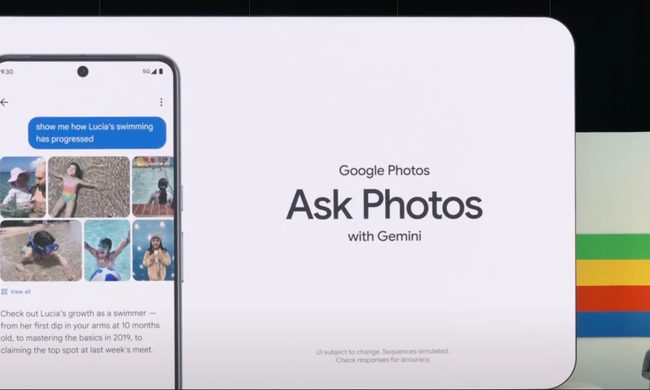
Google's Ask Photos debut.

Google Photos is giving users an easier way to leave its Gemini-powered search when a simple keyword would do. A new toggle now sits at the top of the results page, letting users switch between Ask Photos and classic search without digging through settings.

The change appears to address feedback from people who opted into Ask Photos but wanted a quicker way to return to classic search when Gemini was slower or less useful for a straightforward query.

Read more
Snapseed Camera now lets Android users save original photos and add geotags
Google updates Snapseed Camera with geotag support and non-destructive photo editing
Snapseed App

Google appears to be quietly turning Snapseed into something more than just a photo editing app. Over the past few weeks, the company has been steadily adding new capabilities to Snapseed Camera, its standalone camera app for Android. The latest update introduces two practical features that many smartphone users have come to expect from modern camera apps: the ability to save an untouched copy of every image for future editing and support for embedding location data directly into photos.

Neither feature is flashy, but together they make Snapseed Camera a more capable photography tool, particularly for users who like experimenting with filters without permanently altering their original shots. According to a report by 9to5Google, the features are rolling out with Snapseed Camera version 4.1.1.x on Android.

Read more