1. Home
  2. Computing
  3. Virtual Reality
  4. News

AMD’s new $10,000 graphics card has its own built-in SSDs

Add as a preferred source on Google

As much as gamers might be willing to spend on their PCs, their computers have nothing on the cost of high-end workstations, especially if those workstations use one of AMD’s new Radeon Pro Solid State Graphics (SSG). The new $10,000 Radeon Pro Duo from AMD, comes equipped with its own pair of PCIExpress 3.0 M.2 slots for massively expanding its local storage.

Announced this week at the AMD Capsaicin event, which showcased many of the company’s new VR and gaming developments, the new graphics card is aimed at professionals who need more than the 8GB of the standard Radeon Pro Duo, or even more than some of its largest professional graphics processors (GPU).

Recommended Videos

We’re told that with the right M.2 SSDs, you can add as much as a terabyte of local storage to the Radeon Pro Duo SSG.

Related: AMD’s new dual-GPU card is here, but it’s not built for gamers

Although the expanded M.2 storage is fast, it’s much slower than on-board memory, especially the high-bandwidth memory (HBM) utilized by the Radeon Pro Duo. However, it should prevent the graphics card from ever having to use system memory, which should reduce any lag that developers and enterprise users encounter, since the GPU doesn’t have to make a call to the CPU to access the expanded memory as it would if using shared system resources.

It goes without saying that this card is complete overkill for anyone doing anything at a consumer level, but for business users who feel that they would find some use for this monster card, you’ll be able to buy one soon, at the nice round price of $10,000. On top of that, as Anandtech explains, AMD is only selling it as a beta product for now.

While we can expect final versions of the product, presumably with bundled storage, sometime in 2017, for now you can spend $10,000 and be sent a developer kit of the graphics card, though it’s not entirely clear what that bundle includes.

Jon Martindale
Jon Martindale covers how to guides, best-of lists, and explainers to help everyone understand the hottest new hardware and…
NVIDIA’s new AI can detect deepfake videos in just 22 milliseconds
NVIDIA has a new AI tool that can tell fake videos from real ones in milliseconds
Nvidia logo

As generative AI becomes increasingly capable of producing videos that are nearly indistinguishable from real footage, the race is no longer just about creating synthetic media. It's about detecting it before it spreads.

At SIGGRAPH 2026, NVIDIA unveiled Synthetic Video Detector, a new AI-powered verification tool designed to identify AI-generated videos with remarkable speed and accuracy. Rather than replacing traditional fact-checking or forensic analysis, the company says the technology is intended to give newsrooms, broadcasters and enterprises another layer of confidence before synthetic videos enter the public domain.

Read more
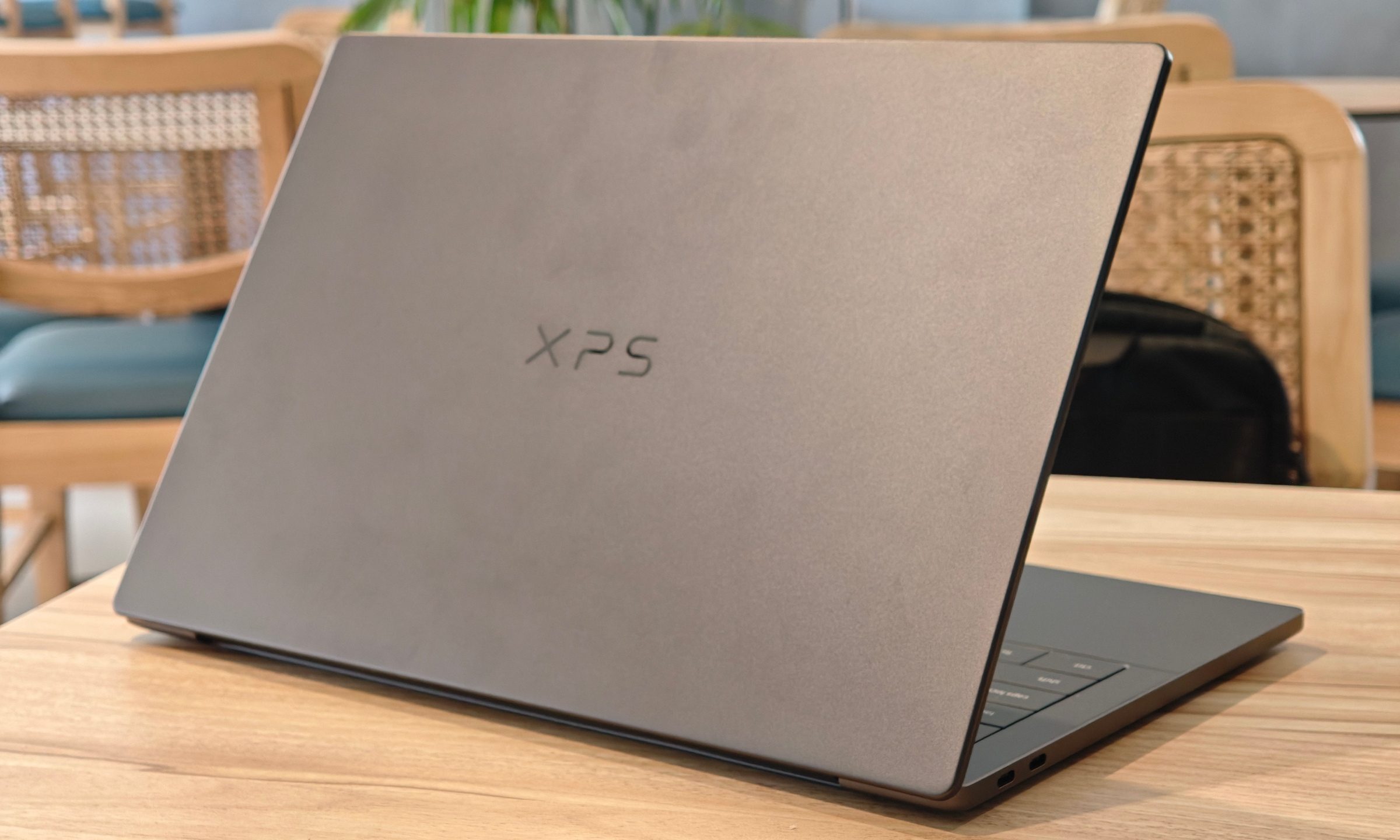
Dell XPS 14 (2026) Review: Dell’s classic Windows laptop returns, and it’s hard to put down
The icon returns, and shows why it's still relevant
Dell XPS 14 Review: Featured

Quick take

Dell’s XPS line has always carried a certain weight. It is one of those Windows laptop families that people recognize even if they don’t follow laptops too closely. Clean design built with premium materials, sharp displays, and high-end hardware. The Dell XPS 14 DA14260 continues that legacy. 

Read more
Samsung’s secret AI chip could finally cool down Exynos phones
Samsung's GAIA AI chip is landing in laptops first, but its shared DNA with Exynos hints at a real fix for phones down the line.
Samsung Exynos chip illustration.

If you've ever owned an Exynos-powered Galaxy phone, you already know the drill: heavy tasks like capturing back-to-back pictures or photos for a while, heavy gaming, or rendering videos turn your device into a hand warmer. 

In such a situation, the battery bar drops faster than usual as well. Turns out, Samsung might be working on the fix, and it's coming in a way nobody expected.

Read more