1. Home
  2. Computing
  3. Photography
  4. Legacy Archives

Cranberry DiamonDiscs Offer 1,000-year DVD Shelf Life

Add as a preferred source on Google

Archiving information presents a rather unique problem in the digital age. Sure, everyday consumers not have the capability to store terabytes of information, photos, home movies, and much more in the comfort of their homes—but how do you save that data for posterity? If you’re thinking “burn it to DVD,” you might be out of luck: the National Archives and the Library of Congress say folks should expect home-burned DVDs to remain viable for only two to five years.
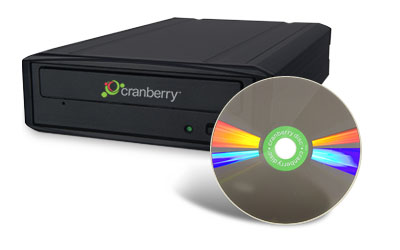
Cranberry DiamonDisc writer
Image used with permission by copyright holder

Washington-based Cranberry thinks it might have a solution to that problem with the Cranberry DiamonDisc, a stone-based DVD technology the company is exclusively licensing from Millenniata. Developed by researchers at Brigham Young University, the DiamonDisc claims to be the first backward-compatible DVD storage solution that can preserve data for centuries—instead of recording information with subtle changes to a dye layer in a standard recordable DVD, the DiamonDiscs record physical charges to rock-hard materials that can stand extreme temperatures and UV exposure. And weirdly, the DiamonDisc is transparent.

Recommended Videos

DiamonDiscs aren’t cheap: Cranberry is selling individual discs for $34.95, or $29.95 to folks who buy two or more, and a five-pack goes for $149.75. The discs can handle 4.7 GB of data.

The DiamonDisc can be read by most standard DVD players; however, writing to a DiamonDisc requires a specialized burner. And that burner is expensive: Cranberry is offering one for $4,995, but that comes with 150 blank DiamonDiscs. So Cranberry is offering to burn discs for its customers: users purchase their Cranberry discs online, upload their data to a secure site or send the data via postal mail, and Cranberry burns the disc and sends it to the customer.

The DiamonDisc may not be a perfect solution for everyone—after all, in 1,000 years what are the odds that anyone will be able to read a DVD?—but for archivists and other folks seriously concerned about preserving their digital data for the ages, the DiamonDisc probably beats home-brewed DVDs.

Geoff Duncan
Former Contributor
Geoff Duncan writes, programs, edits, plays music, and delights in making software misbehave. He's probably the only member…
How to set up selfie video sign-in for your Google account
Your face can now serve as a way to get back into your Google account. Here's how to set it up.
Google account selfie sign in tutorial featured

Losing access to a Google account is rarely a quick fix, but Google has been actively working to make things easier. Last year, the company introduced a feature called Recovery Contacts that lets you designate a trusted friend or family member to verify your identity if you ever get locked out. Now, Google has introduced a new option, one that uses your face to get you back in instead of a phone call to a friend.

Like Recovery Contacts, the new selfie video authentication feature requires some setup before you can use your face to sign into your Google account. This involves recording the reference video that Google will use to verify your identity whenever you attempt to log in this way. Here's how to set up selfie video sign-in for your Google account.

Read more
Framework Desktop packs Ryzen AI Max, up to 192GB of RAM, and local AI into a mini PC
192GB of RAM in a desktop this small? Framework says yes.
Framework Desktop feature

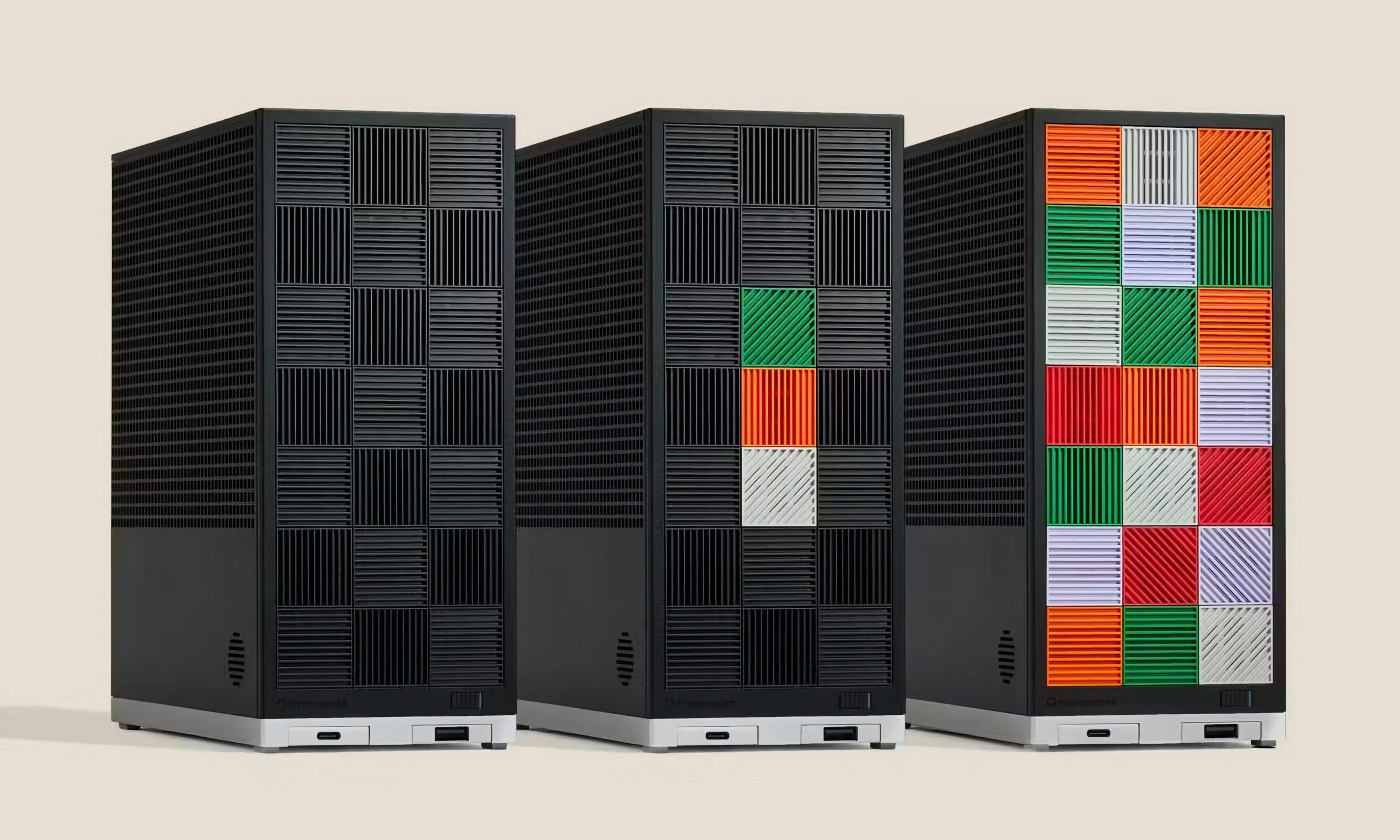
Framework has built a reputation for shipping things other PC makers won't even attempt, and its latest teaser keeps that streak alive. At AMD's Advancing AI event, the company previewed a new version of its Framework Desktop, and this one is clearly built with one goal in mind: running large AI models locally on your computer. If you have been eyeing a way to run local AI, this could be the machine to watch.

So what's actually new here?

Read more
AI is becoming the shoulder we cry on, and that worries me
Chatbots are learning to generate comfort now
Siri AI voice change

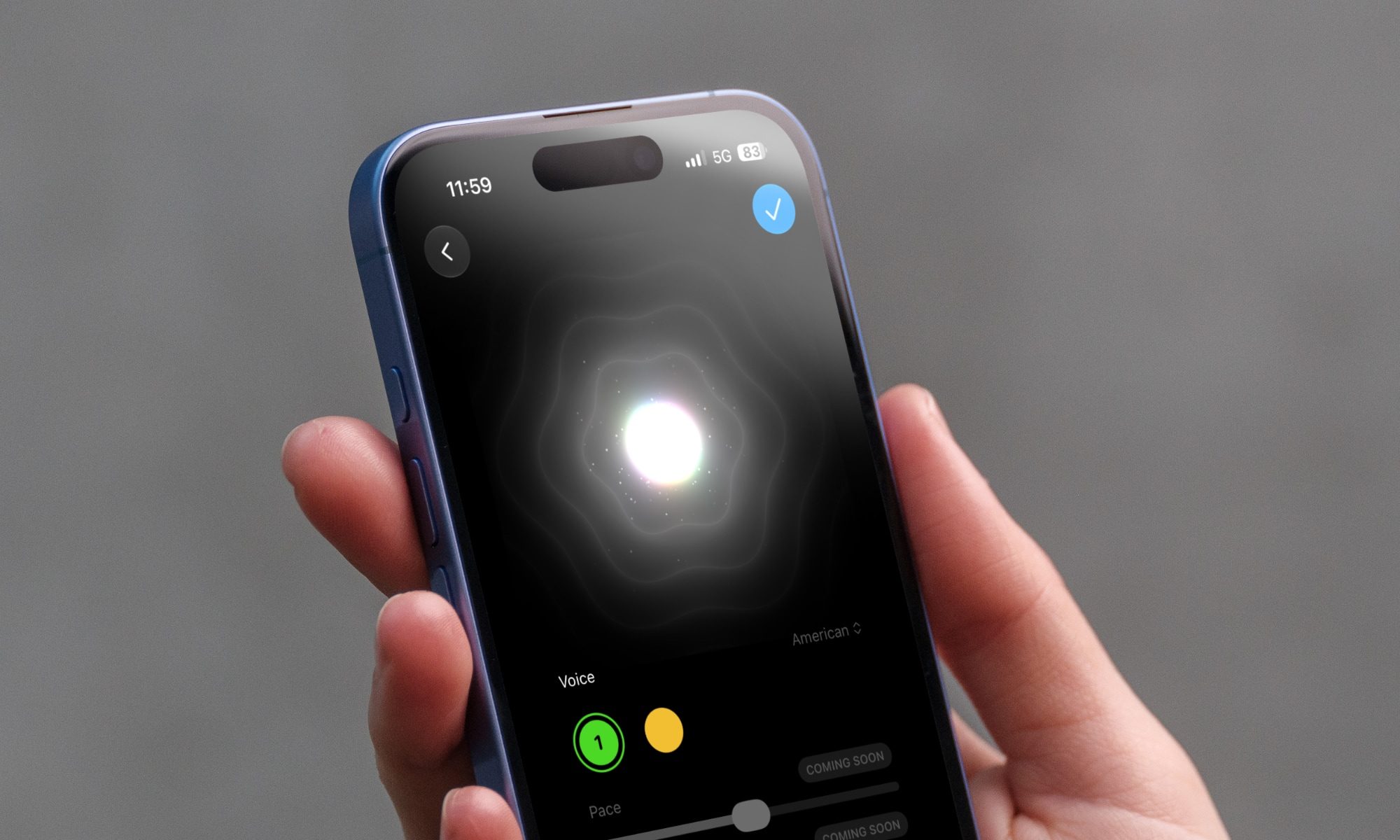
I expected artificial intelligence to be faster in performing calculations or data analysis than humans. But emotional support is one of the last things I could imagine it being better at. New research led by the University of Manchester, alongside Durham University, found that leading AI chatbots could match or sometimes outperform humans when responding to everyday emotional problems. The researchers conducted five studies involving 1,233 participants and tested responses from ChatGPT-4o, Claude 3.5 Sonnet, and Gemini 1.5 Pro.

The researchers conducted five studies involving 1,233 participants and tested responses from ChatGPT-4o, Claude 3.5 Sonnet, and Gemini 1.5 Pro. Participants evaluated messages responding to situations such as being passed over for a promotion or returning to an untidy shared home. They were initially kept unaware of whether each response came from a person or an AI system.

Read more