 Vikram Ajjampur from Florida and William Devito from New York have banded together against the Cupertino, California-based tech giant and filed a lawsuit claiming that Apple is guilty of fraud and invasion of privacy.
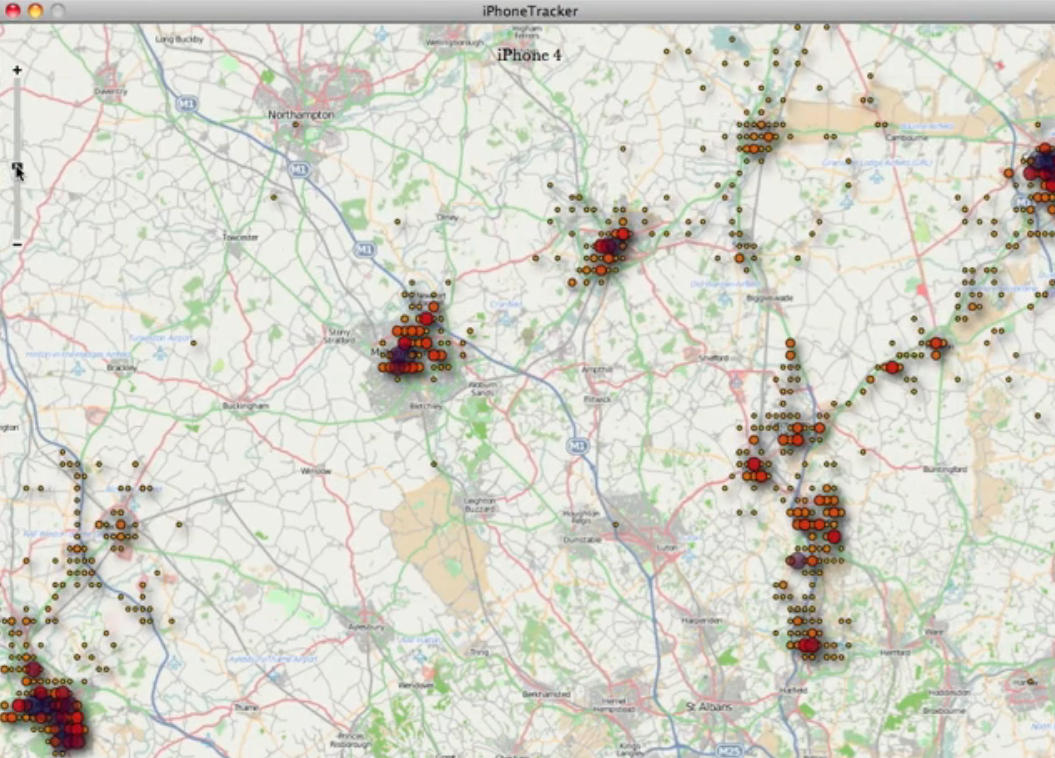
The suit is based off of findings which were revealed last week by researchers Alasdair Allen and Pete Warden. The security researchers stated there was an encrypted file in iPhones and 3G iPads running iOS 4 which logged the device’s geographical data. Allen and Warden reported that the location tracking and recording had been going on for almost a year — since iOS 4 was released.
Aaron Meyer, attorney for the duo, said, “If you are a federal marshal, you have a warrant to do this kind of thing, and Apple is doing it without one.”
Ajjampur and Devito are seeking a court order requiring Apple to stop the data collection. Meyer says the two plaintiffs are also asking for refunds since they would have never bought their devices had they known about the tracking system.
Furthermore, according to Meyer, Ajjampur and Devito are willing to represent their fellow American iOS 4 victims and are seeking class-action status. A Bloomberg article on the the these two customers said close to 30 million iPhone and iPad users could be part of the class.
Authorities are investigating these allegations about Apple’s unscrupulous data collection. Lisa Madigan, Illinois Attorney General, has requested that Apple and Google execs meet with her to discuss these reports. Sen. Al Franken and Rep. Edward Markey have also sent requests to Apple with questions regarding the timestamped location information collection.
U.S. Officials aren’t the only ones mobilizing as well. Regulators from Germany to South Korea are launching investigations. In the midst of this, Apple seems to be taking it’s time in responding adequately to the allegations.


