  1. Home
  2. Tablets
  3. Mobile
  4. Legacy Archives

iOS 7 adoption hits 74 percent among Apple mobile users

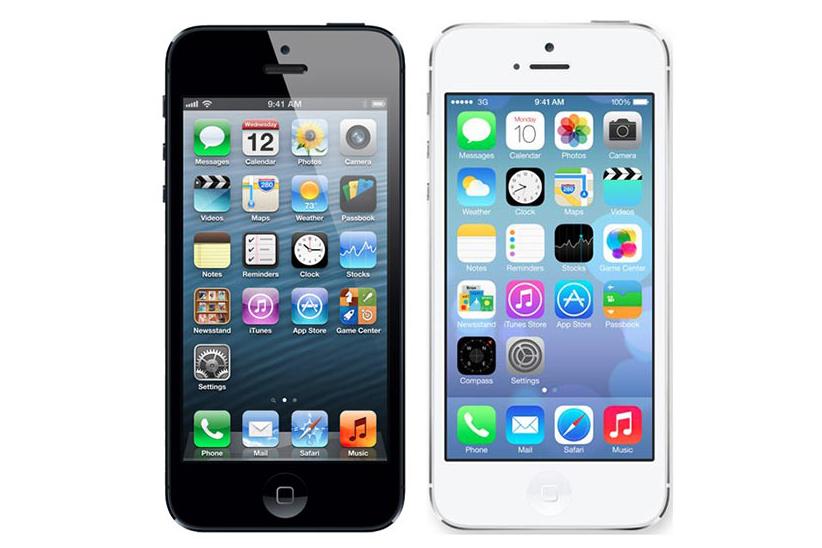
According to the most recent Apple App Store measurement ending on December 1, 2013, the adoption rate of iOS 7 on mobile Apple devices like the iPhone and iPad has hit 74 percent. Rounding out the pie chart, 22 percent of Apple mobile device users are still on iOS 6 and the remaining four percent are using one of the earlier versions of the operating system. It’s likely that those people are using devices that can’t be upgraded to the most recent operating system. For instance, anyone using an iPhone created prior to the iPhone 4 cannot upgrade to iOS 7. 

That being said, 96 percent of Apple mobile device users can by found on one of two operating systems. This data from Apple directly correlates with studies conducted by outside firms as well. For instance, Chitika released a study this week with relatively similar figures for iPhone users. In fact, iOS 7 adoption is moving at a much faster rate than adoption of iOS 6 during 2012. It’s likely that the significant design changes to the operating system sparked greater interest in upgrading this year.
ios-7-vs-ios-6
Image used with permission by copyright holder

However, the study also indicated that iPad users were less likely to have installed iOS 7 with only 64 percent of iPad users on the new operating system. This could potentially be attributed to consumers upgrading the iPad on a less frequent basis than the iPhone due to a higher cost and iOS 7’s lack of feature support in tablets prior to the fourth-generation iPad.

Recommended Videos

With the majority of users using iOS 7 on both Apple smartphones and tablets, that’s significantly less fragmented than the Android operating system. While approximately 54 percent of Android users are using a version of Jelly Bean, the remaining 46 percent is split among several different versions of Android according to data released by Google. Of course, a high level of fragmentation doesn’t necessarily hurt the Android marketplace. Many cheap Android phones simply utilize older versions of the operating system, but can be more widely produced for the global market and open up a larger audience of consumers to developers. 

Mike Flacy
By day, I'm the content and social media manager for High-Def Digest, Steve's Digicams and The CheckOut on Ben's Bargains…
Apple could drop new hardware later this week, but don’t expect any fireworks
Apple could nudge us into the era of M5 silicon, but not atop a hardware evolution.
Rear view of lid on M4 MacBook Air.

Apple’s Fall launch event was pretty stacked, as the company delivered an ultra-slim iPhone, improved flagship earbuds, and a trio of smartwatches. Now, it seems the company is focused on unveiling its next wave of computing gear, and they could be revealed next week.  

What’s on the horizon? 

Read more
Apple’s new iPad Pro is faster, smarter, and built for AI
With the new M5 chip at its core, the latest iPad Pro pushes performance to new heights.
Person in the backseat of a car using an iPad Pro with Apple's M5 chip.

What's happened? Apple today lifted the covers off the next-gen M5 MacBook Pro and iPad Pro models, both featuring its latest M5 chip.

The 2025 iPad Pro is available in 11-inch and 13-inch screen sizes, with both models packing Apple's Ultra Retina XDR displays.

Read more
I’m liking Apple’s M5 update because it favors smaller fixes over flashy upgrades
Faster storage, more RAM, increased comfort, and better connectivity? I'll take it all.
iPad Pro, MacBook Pro, and Vision Pro.

Apple is shifting into the next phase of computing with the launch of new machines powered by the M5 chip. In a single batch, the company revealed three “new” machines equipped with its next-gen processor – a refreshed iPad Pro in two sizes, a 14-inch MacBook Pro, and a second-generation Vision Pro headset.

The term “new” is a tad subjective here. All these machines look exactly like their respective predecessors. Additionally, the focus on AI enhancements somewhat took away from their standalone merits. What caught my attention was that these new devices don't try to make a huge splash with head-turning changes. 

Read more