1. Home
  2. Phones
  3. Cars
  4. Mobile
  5. News

Sorry passengers, Uber won't face regulations on its surge pricing in NYC

Add as a preferred source on Google

Uber has won this round of legislative jiu-jitsu with the New York City government, which means that we, the passengers, have lost. On Friday, New York City Council Speaker Melissa Mark-Viverito announced that the transportation giant would not be facing regulations or limits on its surge pricing, despite outcries in the city and across the country following the absurd New Year’s prices. Furthermore, NYC Mayor Bill de Blasio’s office released an extensive 12-page summary of its $2 million study into traffic conditions within the city, and found that Uber is not, in fact, the sole driver of worsening congestion.

This pair of announcements may herald the thawing of highly contentious relations between Uber and de Blasio, who drew the ire of the Silicon Valley startup last year when he suggested limiting the number of Ubers allowed in the Big Apple. But it doesn’t really do anything for the riders either — sure, you won’t have to worry about having fewer Uber drivers available when you need to get home from that party in an outer borough, but you’ll still have to pay an arm and leg’s worth of surge pricing. And if you’re trying to get somewhere during rush hour, you can probably forget about it.

Recommended Videos

According to the study’s findings, drivers ended up with an average of 74 hours in delays over the course of 2014, and “the annual cost of lost time due to congestion delays was approximately $14.7 billion.” Needless to say, the city is looking for solutions to this ongoing problem, which appears to be largely driven by construction, an increasing population, and freight movement. Not Uber or Lyft. 

“We are pleased to release the findings of our study and look forward to continued work with the City Council and industry partners to create comprehensive proposals to address accessibility, consumer and employee safety, mobility and securing support for our public transit system,” mayoral spokesman Peter Kadushin said is a statement. And it looks as though Uber is ready to let bygones be bygones as well, with the company’s New York general manager Josh Mohrer noting, “We are supportive of several of the proposals presented today, especially efforts to empower drivers by giving them more freedom to partner with companies across the industry.”

Lulu Chang
Fascinated by the effects of technology on human interaction, Lulu believes that if her parents can use your new app…
Runna’s new Adapt for Heat feature could make summer runs a lot more bearable
No more guessing how much to slow down when it feels like a furnace outside.
Runna app open on iPhone

If you've ever cut a summer run short because the heat felt unbearable, you're definitely not alone. Runna, the top-rated running coach app, found that 80% of its users skip or adjust their runs because of hot weather. To fix that problem, the company just launched a new feature called “Adapt for Heat”, and it's the update summer runners have been asking for.

How does Adapt for Heat help your summer runs?

Read more
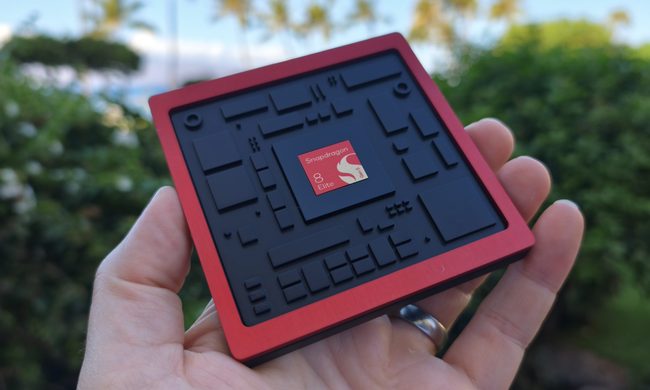
Qualcomm confirms incoming price hike, and rising memory cost isn’t the only driving factor
CEO Cristiano Amon says the increase, effective September 1, is meant to offset broader supply chain costs, including wafer fabrication, packaging, and testing.
The new Qualcomm Snadragon 8 Elite Gen 5

If you were hoping your next Android phone might come with a friendlier price tag, you may want to temper your expectations. Qualcomm just confirmed it's raising chip prices starting September 1, and CEO Cristiano Amon didn't dress up the reason. "Cost went up, prices are going to go up," he told CNBC. Qualcomm chips power a huge share of the world's Android phones, so a hike at the source is likely to reach store shelves eventually.

Rising costs go beyond memory

Read more
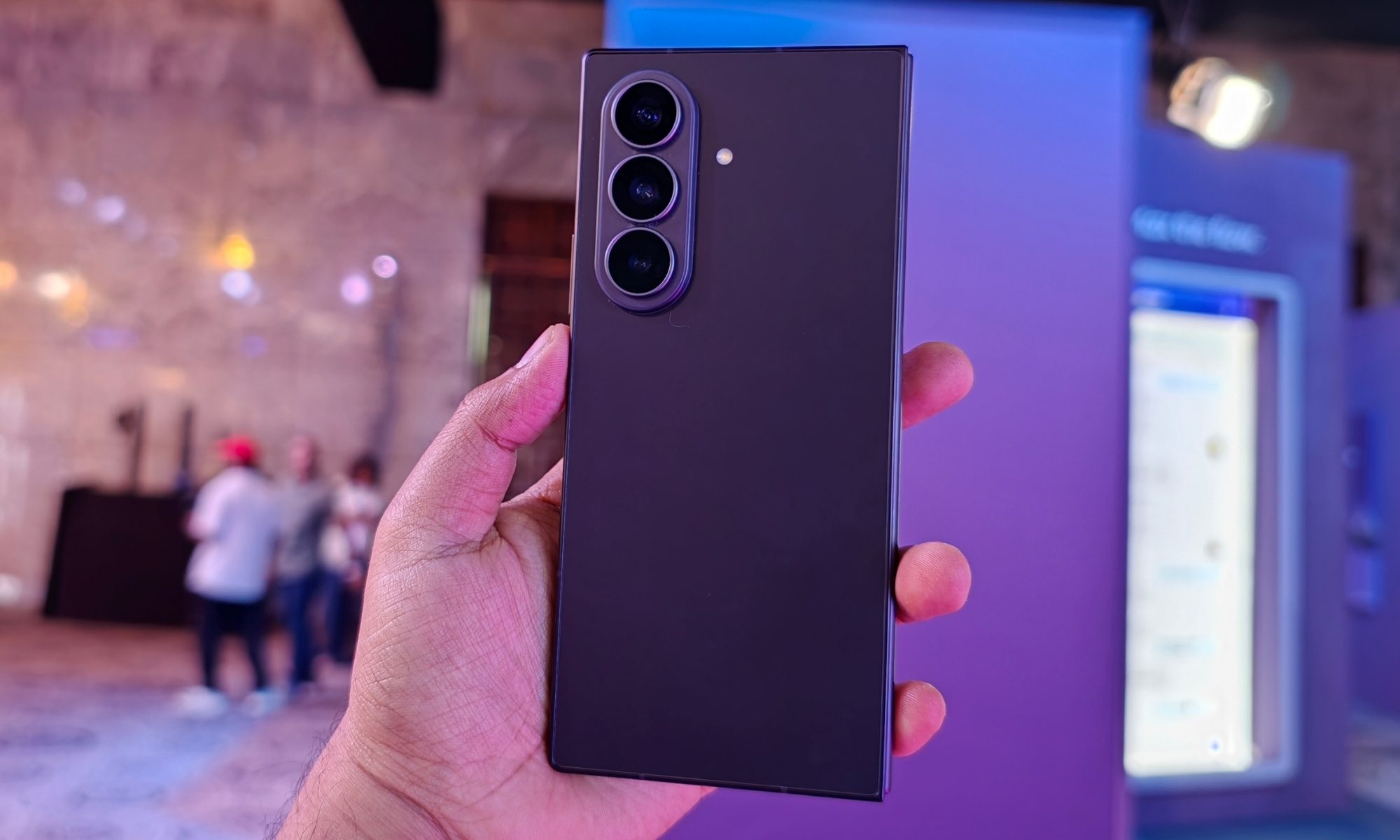
Galaxy Z Fold 8 Ultra: Everything we know
Though it will feature improvements across the board, the memory crisis might not spare Samsung’s Fold 8 Ultra.
Samsung Galaxy Z Fold 8 Ultra

The Samsung Galaxy Z Fold 8 Ultra is not the phone that reimagines what a foldable looks like. That job belongs to its sibling, the wider-screen Galaxy Z Fold 8; the Ultra is the direct successor to the Galaxy Z Fold 7 instead. It carries forward the same tall, narrow design and the same book-style proportions, for the same audience.

If you've used a Samsung Galaxy Z Fold in the past and think that the shape is perfect for you, the Fold 8 Ultra is exactly the right phone for you. It has a sharper inner display, a substantially larger battery, faster charging, and Samsung's new Flex Titanium display structure, which is designed to minimize the crease that has troubled Samsung's foldables for years.

Read more