  1. Home
  2. Computing
  3. News

HTC Vive Focus Plus makes it easier for developers to port PC content

Add as a preferred source on Google
Image used with permission by copyright holder

HTC’s Vive Focus VR headset is getting an upgrade, and it could make it easier than ever for content parity across stand-alone VR systems and those tied to a PC.

The Vive Focus Plus will use the “six degrees of freedom” system used in the current Vive Focus, but now with support for dual “six degrees of freedom” controllers, as well.

Recommended Videos

With this integration, HTC Vive is aiming to make it easier for PC VR developers to move content over to the stand-alone Vive Focus Plus.

“This rollout of Vive Focus Plus furthers our commitment to rapidly iterate and refine the VR market for both businesses and consumers,” HTC Vive Americas GM Daniel O’Brien said in a press release.

The controllers themselves feature analog triggers capable of reading pressure-sensitive input during experiences. It also supports Gaze control, and with full enterprise support, this should make it easier for those unfamiliar with virtual reality to properly run the programs. Additionally, the “Hazard Spotting” tools in Vive Pro have also been incorporated into Vive Focus Plus, allowing people to move freely without worrying about injuring themselves or others.
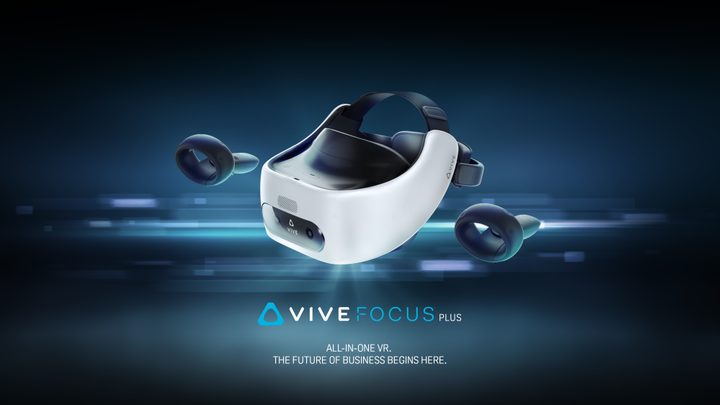
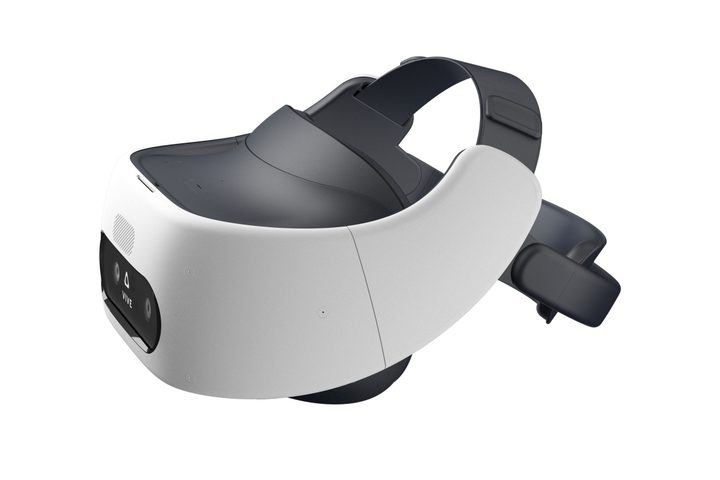
Vive will be showing the Vive Focus Plus and the Vive Pro Eye during the Mobile World Congress in Barcelona later this month. The headset itself will be available to purchase beginning in the second quarter of 2019, and will be available in 25 different markets.

Vive Focus Plus will also be compatible with Viveport Infinity content, giving subscribers access to a growing library of games and experiences for a monthly fee. A single account will give you access to Vive Focus Plus support, as well as support for any of your compatible PC Vive headsets. The service will launch in April.

The Vive Focus Plus isn’t the only wireless headset the company has in the works. Announced during CES 2019 in January, the Vive Cosmos uses no external tracking technology and though it’s still designed for PC, it appears it will also feature integration with mobile devices. With space being such an issue with current virtual reality setups, however, it could help to usher the technology into smaller homes. The Cosmos’ controller has been built with tracking and performance in mind, with illuminated areas for better wrist tracking. It also features ergonomic buttons and sticks, and will be compatible with previous VR experiences.


Gabe Gurwin
Gabe Gurwin has been playing games since 1997, beginning with the N64 and the Super Nintendo. He began his journalism career…
WhatsApp can now open and edit PDFs without making you download them first
Adobe Acrobat is adding built-in viewing and annotation tools for PDFs shared through WhatsApp on larger screens
Text, Person, Aircraft

Adobe is making PDF attachments much less annoying in WhatsApp. Its new Acrobat integration lets you open a PDF and mark it up without downloading the file or leaving the conversation.

The feature is available today through WhatsApp Web and the Windows app. The headline comes with an important caveat, though. This isn’t full PDF editing. You can review and annotate a document, but you can’t rewrite its original text or rearrange the layout.

Read more
Substack now lets you check if a post was written by AI
A new Pangram-powered scanner lets you check posts, notes, and replies for signs of AI writing.
Video playing on Substack.

Substack is giving readers a way to check whether the post they're reading was written by a human or by a chatbot. The company has partnered with AI-detection firm Pangram to introduce new tools that will let users scan posts, notes, and replies for AI-generated text. CEO Chris Best introduced the features in a post titled "Against Claudefishing," his term for content that leans on AI while presenting itself as human work.

How the scanning tool works

Read more
China’s AI talent shortage has tech giants recruiting teenagers
Forget campus recruiting, china's biggest tech firms are betting on teenage coders.
Artificial Intelligence

A 13-year-old boy in Hangzhou has already won national AI competitions and built a following of more than 136,000 people online, all while his dad tries to figure out how to guide him through a field that barely existed when he himself was growing up. That family's situation, first reported by Rest of World, says a lot about where China's tech industry is heading right now.

Companies used to wait for graduates to walk through the door. Now they're reaching further back, first to undergrads, and increasingly to teenagers, hoping to spot rare talent before anyone else gets to them.

Read more