1. Home
  2. Phones
  3. Mobile
  4. Photography
  5. Social Media
  6. News

Request a selfie from your Badoo match to make sure they're the real deal

Add as a preferred source on Google

Pictures may be worth a thousand words, but that could also be contingent on the age of the picture. And when you’re in the online dating world, those pictures can be all too misleading. Luckily, Badoo, the world’s largest dating network, has introduced a new feature that it hopes will cut down on catfishing and ultimately, make online dating safer. Meet the “Selfie Request,” a rather self-explanatory feature that women can use to ask their matches to send a selfie to ensure that their potential Prince Charming is not, in fact, a frog. But don’t worry, guys — you have the option to decline the request (though it probably won’t lead to a date).

“Badoo has been around for 10 years, so we have the industry’s deepest insights and experience,” said Badoo spokesperson Joey Hadfield. “We are continuously aiming to solve major challenges in the dating space around various issues such as safety and security. We’ve spoken to many women to find out what they really want from a dating platform and the two things that repeatedly surface as top priorities are safety and efficiency.” And the selfie request, Badoo believes, will help to eradicate these issues.

Recommended Videos

But if a selfie isn’t enough to convince you of a user’s authenticity, Badoo also has an option that allows users to request and share verified social media accounts on the dating platform. So unless you’re misrepresenting yourself across channels, it’ll probably be difficult to pull one over on your matches.

“Having these safety features, especially the new addition of selfie requests, means I can have more faith and trust in who I’m speaking to online,” said lifestyle blogger and Badoo user Duda Castro. “A busy work schedule coupled with trying to meet a potential mate is extremely hard in today’s world, so making sure potential matches are 100 percent the real deal means whoever is using the app is not wasting their time or being catfished.”

These latest features come hot off the heels of Badoo’s photo verification and profile launch, so if you’re looking for love online, you may want to join the 311 million users across 190 countries who are looking on Badoo.

Lulu Chang
Fascinated by the effects of technology on human interaction, Lulu believes that if her parents can use your new app…
TSMC might set up a price hike that could come straight for your next phone, laptop, or tablet
Here's what TSMC's rumored 10% chip price increase actually means in dollar terms, and why your next phone or laptop could end up costing more.
TSMC Fab

My wallet flinched the second I saw the words "TSMC" and "price increase" in the same headline, and honestly, yours should too.

Turns out the company behind the silicon powering basically every flagship device out there, including Apple’s A-series and Qualcomm’s Snapdragon processors, is reportedly about to make all of it a little pricier.

Read more
Samsung’s free storage doubling for preorders is gone in Austria, and the replacement isn’t as sweet
Samsung's free storage doubling deal might just be history.
The back of the Galaxy Z Fold 7

If you've pre-ordered a Samsung foldable purely for the free storage bump, tomorrow's Unpacked event might sting a little.

For years, pre-ordering a new Galaxy meant automatically getting double the storage at no additional charge. Buy the 128GB model, walk away with 256GB for the same price. The same applied to the 256GB and 512GB models. However, that might change at the upcoming Galaxy Unpacked event. 

Read more
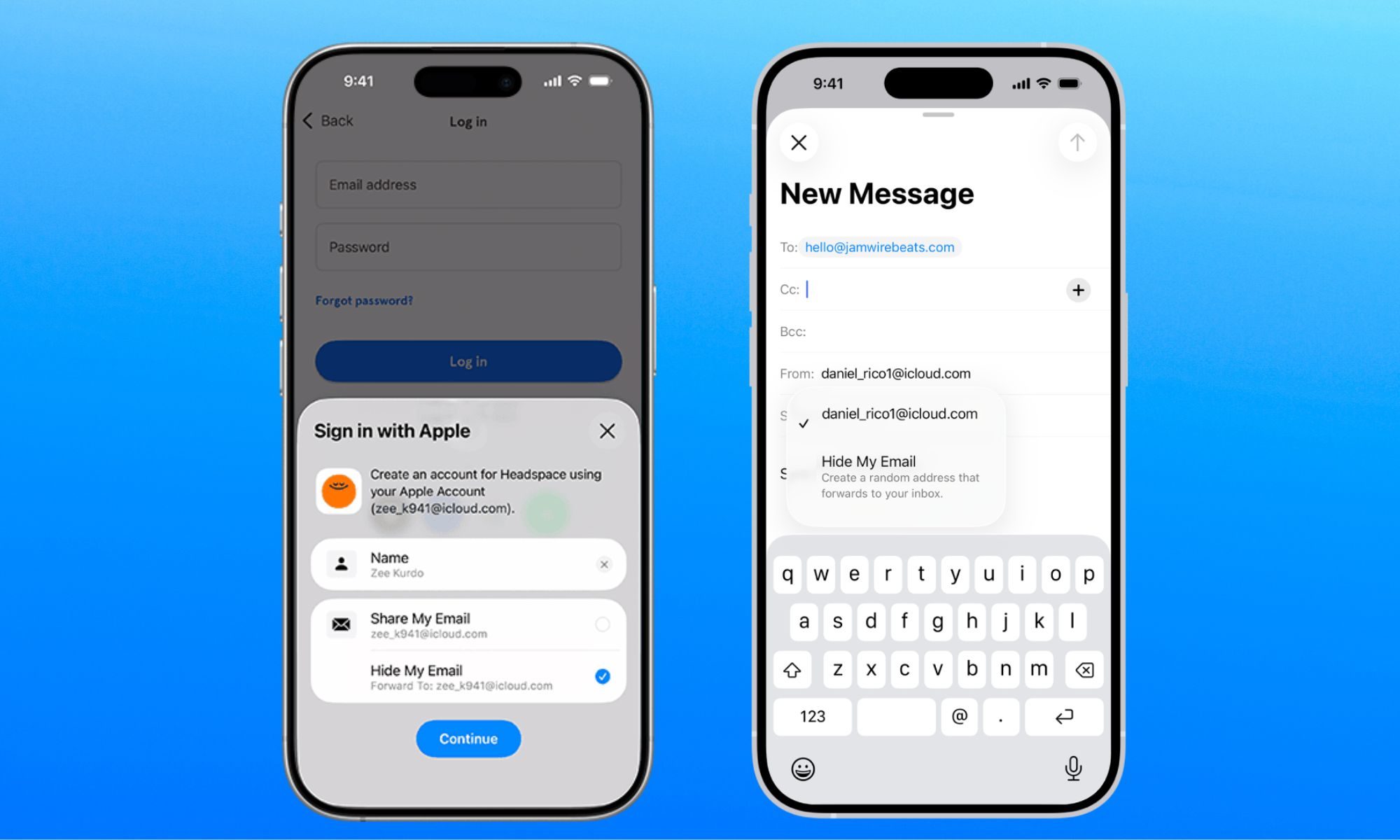
Apple fixes Hide My Email bug that exposed users’ real email addresses
Here's how Apple's Hide My Email flaw leaked real addresses for over a year, and why it only got fixed once the story went public.
apple-merging-sign-in-with-apple-hide-my-email-icloud+

Turns out the "Hide" part of Hide My Email wasn't doing its job quite as advertised, something that I covered early in July. Security researcher Tyler Murphy reported the flaw in June 2025, but despite Apple claiming it was resolved in March 2026, independent tests confirmed it remained exploitable, at least until July 3, 2026.

So how did this bug actually work?

Read more