1. Home
  2. Phones
  3. Mobile
  4. News

After four years, Lenovo finally unveils its first Windows 10 Mobile phone

Add as a preferred source on Google

It was a little over two years ago when Lenovo announced it will release a phone running Windows Phone 8.1 by the end of 2014. Even though that self-given deadline came and passed, it is better late than never that Lenovo finally announced the SoftBank 503LV, reports MSPoweruser.

Made in partnership with Japanese technology conglomerate SoftBank, the phone features a 5-inch, 1,280 x 720 resolution display, with a 5-megapixel camera sitting above and an 8MP shooter with LED flash found around back. The only hardware buttons you will find are the power and volume buttons, as the SoftBank 503LV, similar to other Windows 10 Mobile phones, feature software keys.

Recommended Videos

Under the hood, a 1.5GHz octa-core Qualcomm Snapdragon 617 — the same chipset that powers the Moto G4, Moto G4 Plus, and HTC One A9, just to name a few — and 3GB RAM power the phone, with a rather meager 2,250mAh battery keeping the lights on. Thanks to the processing package, the SoftBank 503LV supports Windows Continuum, which turns the phone into a pseudo-PC. Furthermore, you can expand upon the 32GB of native storage by up to an additional 128GB through the MicroSD card slot.

Finally, the SoftBank 503LV runs Windows 10 Mobile, though it is unknown whether the phone supports Windows Hello, which lets you unlock your phone using your eyes.

Do not expect to simply walk in a store and buy the SoftBank 503LV, as the phone looks to remain in the Land of the Rising Sun. Furthermore, the phone will only be available to businesses, which is why it carries such an awkward name. However, if the SoftBank 503LV is well-received by businesses, there is a chance that Lenovo will pump out more Windows 10 Mobile devices in the future.

The SoftBank 503LV will be available sometime in October, though Lenovo did not say how much it will cost.

Williams Pelegrin
Williams is an avid New York Yankees fan, speaks Spanish, resides in Colorado, and has an affinity for Frosted Flakes. Send…
The Minimal Phone 2 looks dramatically better than the original, and I’m genuinely here for it
Plastic is out, metal is in, and Minimal Phone 2's renders suggest the digital detox phone concept finally has the hardware to match its ambition.
Electronics, Mobile Phone, Phone

I've been following the Minimal Phone since its initial crowdfunding days. The first iteration had the right idea trapped inside the wrong body, I’d say. Plastic build, no 5G, an underwhelming camera, and e-paper ghosting that frustrated early adopters; all these issues kept the phone from reaching a wider audience. 

Now, founder Armen Youssefian has posted what appears to be a 360-degree render of the Minimal Phone 2 on X, and from what I can see, the team has done its homework.

Read more
The EU says TikTok still isn’t doing enough to protect kids
Regulators say the platform's privacy settings don't go far enough under the Digital Services Act.
TikTok Creative Featured

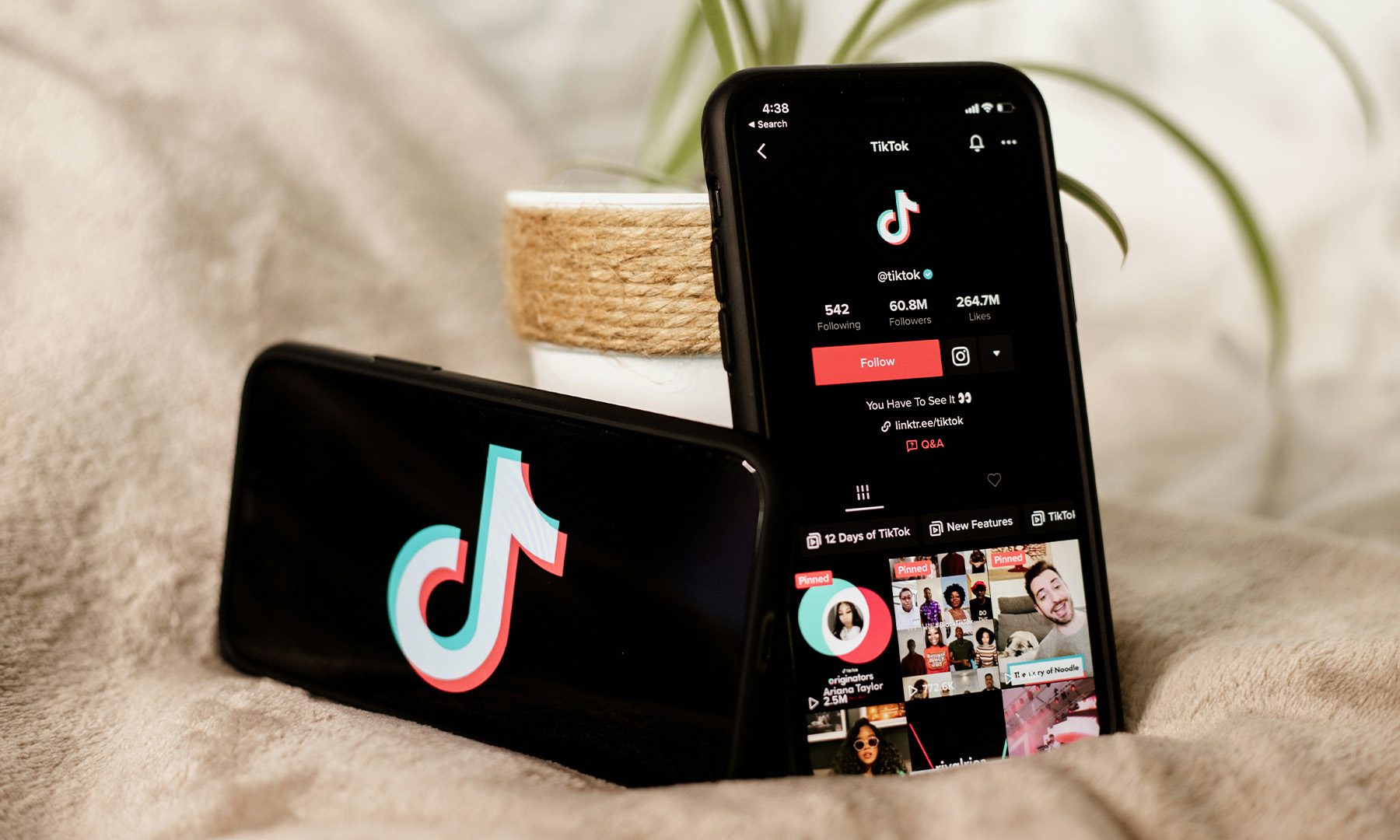
The European Commission has accused TikTok of falling short on protecting minors, saying the platform's current account settings don't meet the child safety standards required under the Digital Services Act (DSA). The findings are preliminary, but if upheld, TikTok could face a fine of up to 6% of its global annual revenue.

Why the EU thinks TikTok isn't doing enough

Read more
Qualcomm is set to ratchet up chip prices in September, and your next gadget upgrade could bear the brunt
The price hike could touch every Snapdragon-powered device category.
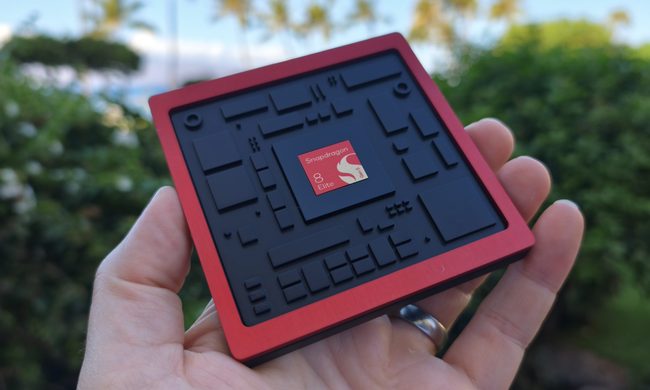
The new Qualcomm Snadragon 8 Elite Gen 5

I want you to sit with this for a second. Qualcomm, the company whose Snapdragon chips sit inside your Android phone and tablet, your Windows laptop, your Meta smart glasses, your Galaxy Watch, and your wireless earbuds, reportedly sent a letter to every major customer telling them prices are going up by double digits. 

The price hike will be in effect from September 1, 2026, a recent Bloomberg report claims. Essentially, all the companies placing their chip orders after that will pay a higher price. 

Read more