1. Home
  2. Social Media
  3. Business
  4. News

Facebook exec adds insult to injury in response to poor ratings on diversity report

Add as a preferred source on Google

Facebook has lately taken a beating from critics that claim the company has not done enough to address its lack of diversity in employee ranks. Its recent diversity report seemed to support that assertion. The report and its results were enough to generate headlines and fierce debate. Commentary on the report from Maxine Williams, Facebook’s Global Director of Diversity, has drawn even more controversy to the company.

Williams blamed a lack in the “pipeline” of qualified minority applicants for Facebook’s failure to achieve its diversity initiatives, according to USA Today. Williams essentially blamed the nation’s education system for supplying fewer graduates with degrees than tech companies need to hire. To Williams, the reason that Facebook is not hiring more black and Hispanic workers is one of supply and demand, and not derivative of Facebook’s hiring practices.

Recommended Videos

Diversity advocates were outraged at William’s comments, as they placed blame for Facebook’s diversity problems on external market problems that the giant social network cannot account for. The implication from her comments was that a steady flow of qualified diverse applicants does not exist, and therefore Facebook hires from the one that does.

Data contradicts Williams’ statements, however. There are actually more black and Hispanic students who major in computer science and engineering than work in jobs in the tech industry, according to USA Today. A study by the Equal Employment Opportunity Commission showed that among top engineering programs, nine percent of graduates are black and Hispanic. The study further shows that total black and Hispanic workforce at major technology companies sits at around 5 percent.

It appears from the EEOC data that a “pipeline” does exist, and critics claim that Facebook is making excuses that are not valid. To protest Williams’ comments and the results of Facebook’s diversity report, a Twitter hashtag #FBNoExcuses was created.

Dave Palmer
Dave’s technology geek-fest began with the classic Commodore 64 computer, which started a lifelong passion for all things…
New X phishing scam uses fake login alerts to steal your account
Scammers have copied X's own security emails almost pixel for pixel, and people are falling for it.
X app store listing on iPhone

You open your inbox and see an alert claiming someone just logged into your X account from an unfamiliar device. Your first instinct is to click through and lock things down immediately. That instinct is exactly what a new phishing scam is counting on.

As reported by The Guardian, a wave of fake X security emails is currently doing the rounds. They claim a new device has logged into your account and urge you to click a link to reset your password or review app access. 

Read more
After YouTube, TikTok is testing its own AI likeness detection tool
TikTok's new tool lets creators flag AI deepfakes of themselves directly.
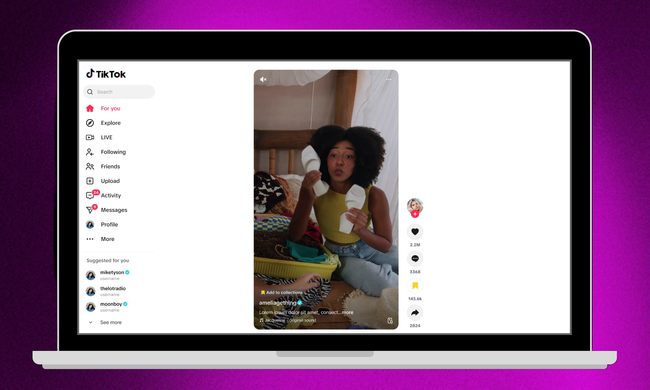
Home page of TikTok on Web.

AI deepfakes have become a headache for creators, and TikTok is finally stepping up to fight back. Social media consultant Matt Navarra spotted the platform quietly testing a new opt-in tool that hunts down AI-generated content mimicking a creator's face, giving them the power to flag it directly.

https://twitter.com/MattNavarra/status/2078129989128450064

Read more
You can now generate songs in your iMessage chats
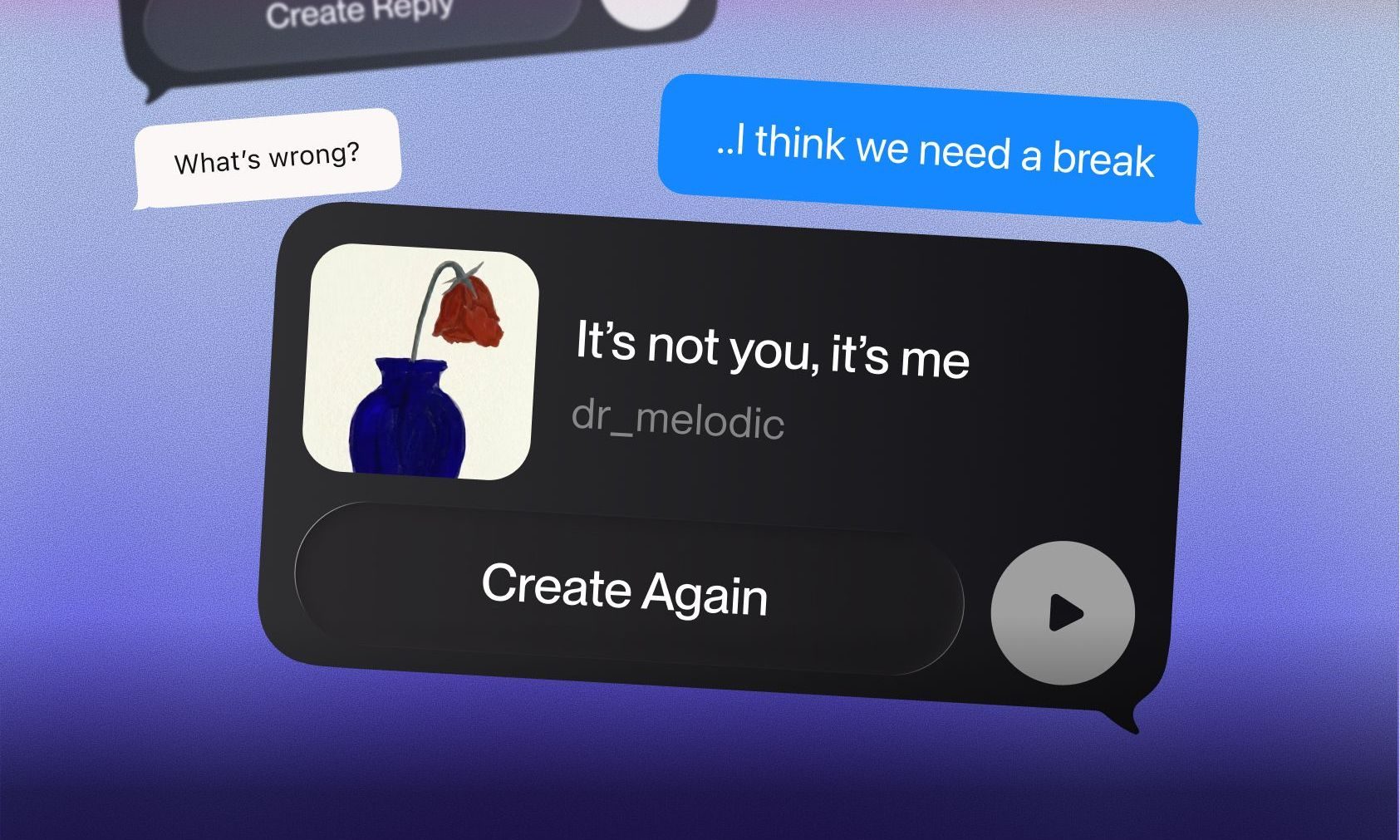
iMessage users can now turn chats into short AI-generated songs
Text, Business Card, Paper

Suno has added an iMessage extension to its iOS app, letting users generate 30-second songs from voice recordings or typed prompts inside a Messages conversation.

The feature is available in the latest version of the Suno app and requires both people in the chat to have it installed. Users can access Suno from the plus menu in Messages, create a track, and share it without opening the standalone app.

Read more