1. Home
  2. Wearables
  3. Business
  4. Health & Fitness
  5. News

FDA states it will not regulate fitness trackers and wellness apps

Add as a preferred source on Google

The Food and Drug Administration decided late last week that it would not seek to regulate fitness trackers and wellness mobile apps, freeing the industry from rules that could potentially slow progress in the field.

The FDA released its stance through a guidance document titled, “General Wellness: Policy for Low Risk Devices Guidance for Industry and Food and Drug Administration Staff,” which also makes it clear that all recommendations are nonbinding. Instead, the guidance “describe[s] the Agency’s current thinking on a topic and should be viewed only as recommendations, unless specific regulatory or statutory requirements are cited.”

Recommended Videos

The recommendation covers products intended only for general wellness, according to Bloomberg BNA, including tools for weight management, physical fitness or mental acuity. The FDA document also states that the guidance does not apply to products that refer to specific diseases or conditions, or products that say they can be used to treat or diagnose a disease or disorder.

Making the distinction between healthcare and wellness products is important for the FDA and for industry participants, Bloomberg BNA said. This is because developers “want to be able to market their products as helpful to people with certain medical conditions but want to steer clear of FDA regulations, which can be time-consuming and expensive.

“Products regulated by the FDA must register with the agency, undergo review before they’re sold, and meet certain requirements,” according to Bloomberg BNA.

It’s clear that the FDA is referring to very low-level fitness trackers and apps in its document, ones that consumers wouldn’t mistake for “fix all” health solutions.

Using illustrative examples, the FDA document describes six products that would fall under the “don’t regulate” recommendation, including fitness bands, meditation apps, diet tracking apps, skin exfoliation products, and more.

Sen. Lamar Alexander (R-Tenn), chairman of the Senate Health, Education, Labor, and Pensions Committee, told Bloomberg BNA that he was happy to see the FDA’s recommendation and that it “has no current plans to put unnecessary government red tape between people hoping to use a FitBit to help them get moving or a Weight Watchers application to monitor their diet.”

Harrison Kaminsky
Harrison’s obsession in the tech space originated in his father’s electronics store in Denville, New Jersey, where he…
A smart glasses detector is now among the top paid apps on Apple’s App Store
Smart glasses have become so unsettling that people are buying proximity alerts
A Ray-Ban Meta Glasses wearer talks to another person using live translation.

An iPhone app designed to alert users when smart glasses may be nearby has climbed to No. 3 on the US paid App Store chart. Its name, AntiZuck Smart Glasses Scanner, leaves little doubt about how the developer feels about Meta’s camera-equipped glasses.

The app costs $2.99 and scans for Bluetooth signals linked to smart glasses. It can spot Meta Ray-Bans, Snap Spectacles, Amazon Echo Frames, and RayNeo glasses, then sends an alert when it believes one is nearby.

Read more
DuckDuckGo’s new smart glasses come with zero AI and 100% shade
No camera, no mic, no AI, just glass that blocks the sun the way sunglasses always have.
DuckDuckGo smart glasses

Smart glasses have quietly morphed into tiny surveillance cameras that people willingly wear on their faces. Every other week, a new pair promises to record video, listen to conversations, and feed it to an AI model somewhere in the cloud. They are causing such havoc that they have earned a new name: “pervert glasses.”

Not only are these glasses a privacy nightmare for people being recorded but also for people using them. A recent investigation by Swedish newspaper Svenska Dagbladet showed that Meta Ray-Ban glasses were uploading intimate and private recordings for training its AI. 

Read more
Apple’s new Upgrade plan won’t punish missed payments with restrictions, but three strikes could end your lease
Restricted Mode remains in iOS 27 beta, but Apple says it won’t be used for Upgrade payment defaults
Computer, Electronics, Laptop

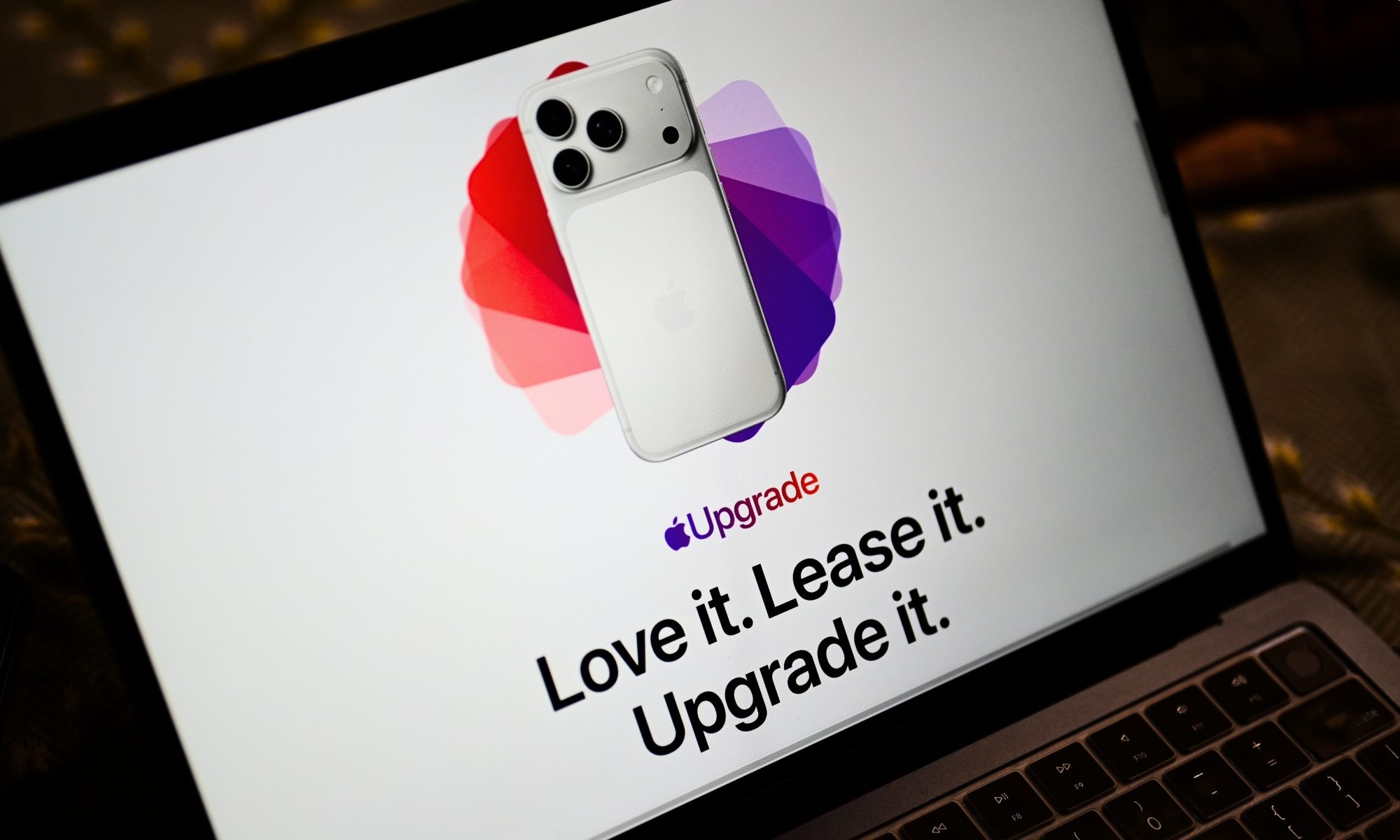
Apple recently announced its new Apple Upgrade leasing plan, which lets customers pay monthly for an iPhone, iPad, Mac, or Apple Watch through Klarna. The program replaces the long-running iPhone Upgrade Program and expands the option beyond phones for the first time.

However, code discovered by 9to5Mac in an iOS 27 beta raised concerns about what could happen if someone fell behind on payments. The new App Managed Features system appeared capable of checking a customer’s payment status and placing a financed device into Restricted Mode.

Read more