1. Home
  2. Emerging Tech
  3. Outdoors
  4. Web
  5. News

GE installs advanced sensors to monitor an active volcano

Add as a preferred source on Google

GE, the technological giant responsible for installing monitoring sensors in jet engines to help predict engine failure, is taking on a new task: using advanced sensors to monitor an active volcano. And the firm is sharing the entire expedition on social media via Facebook live videos, Instagram, and Snapchat.

The project is headed up by explorer Sam Cossman. Cossman is from Qwake, a company that marries world exploration and the latest in technology. He will be leading the team to Nicaragua where they will install the sensors to the live volcano in an effort to create an early warning system. Together with GE’s industrial internet software, Predix, Cossman and his team are looking to connect the natural world with the digital one.

Recommended Videos

The plan is for the collected data to be accessible in real time for anyone who wants to use it to develop monitoring applications. This open-source forum will allow people from across the globe to see and use the data and hopefully, create an advanced warning system for volcanic activity. The goal is to have a range of minds access the information to explore all the ways the data can be implemented to help people.

The expedition into the volcano began in early August and on August 10, Cossman’s team went down into the volcano to place the sensors. By broadcasting the entire experience, GE is hoping to reach a wider audience and share its passion for science and technology.

The first part of the process is the installation of the sensors. The next step, which will roll out in the next few months, will be uploading all the gathered information to Predix, and finally providing it to all the people interested in using it for application development. GE looks forward to seeing how the public will use this data.


Anthony Thurston
Anthony is an internationally published photographer based in the beautiful Pacific Northwest. Specializing primarily in…
Yet another study says AI is bad for elections, and the rabbit hole gets worse
AI may be an election bomb waiting for someone to light the fuse
Voters cast their ballots on Election Day

Another election, another study has concluded that asking an AI chatbot for political guidance is a spectacularly bad idea. Research conducted during Hungary’s 2026 parliamentary election found that ChatGPT and Google Gemini offered not just inaccurate but also inconsistent and unreliable voting advice. The chatbots misclassified voter profiles, overlooked relevant parties, recommended parties absent from the ballot, and sometimes produced materially different answers when given the same information repeatedly.

AI keeps failing the voter test

Read more
Samsung’s humanoid robot ambitions are real, but factories come first
Samsung’s new robotics division has humanoids in its sights, although its immediate business is far more practical factory automation
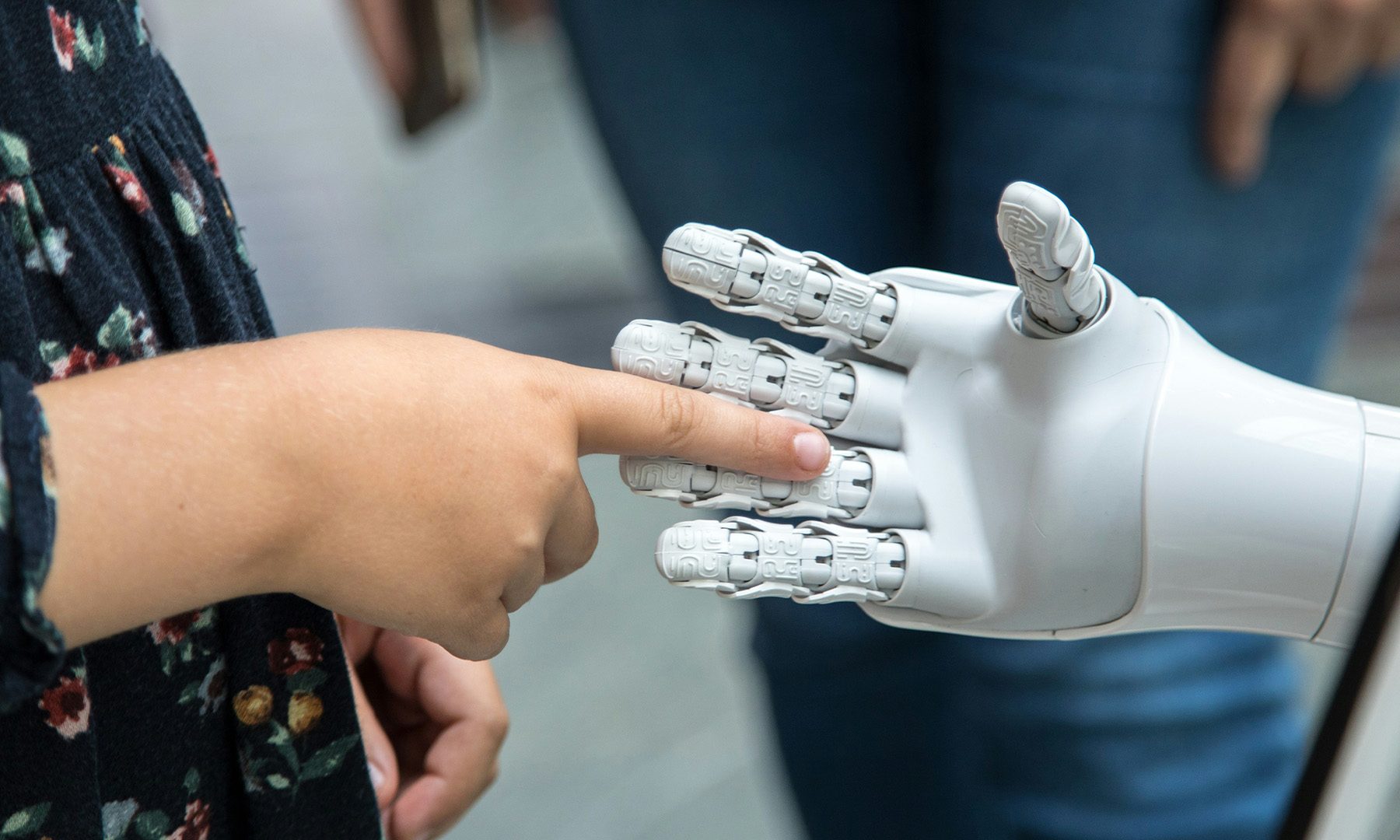
Robot Touch Human Finger

Samsung wants a place in the humanoid race, but its new robotics push begins with machines built for factories rather than homes.

The CEO-led RX robotics division will initially focus on manufacturing robots. Samsung has separately identified humanoids as a priority, although it hasn’t announced a commercial model or explained where one fits into the division’s immediate plans.

Read more
The future of AI may depend on this one behind-the-scenes change
Running Claude on Android.

Whenever a new AI model arrives, it's easy to get caught up in the bells and whistles. We talk about how much smarter it is, how quickly it answers questions, or how realistic its images have become. But here's the thing: none of that matters much if the AI can't reliably work with the apps and services people use every day.

That's why an upcoming update to the Model Context Protocol (MCP) caught my attention. It isn't a new chatbot or a fancy AI model. In fact, most people will never even know it's happening. But it could quietly make the AI ecosystem a lot healthier. If you've never heard of MCP before, don't worry. Think of it as a shared language that lets AI assistants safely talk to apps like Gmail, Slack, calendars, databases, and countless other services. Instead of every company inventing its own way to make those connections, MCP gives everyone a common rulebook.

Read more