1. Home
  2. Emerging Tech
  3. Mobile
  4. Photography
  5. News

This new battery technology makes lithium ion look old school

Add as a preferred source on Google

Future devices from cameras to smartphones could have twice as much juice (or batteries half the size), thanks to a venture by Massachusetts Institute of Technology graduates to bring rechargeable lithium metal batteries to consumer electronics.

In November, SolidEnergy Systems will launch their first commercially available rechargeable lithium metal battery. While the initial battery will be used in drones, the company says the technology could be used in a variety of different consumer devices, from small devices like cameras and smartphones to electric cars.

Recommended Videos

Lithium metal batteries have long been toyed with because of their larger capacity over lithium ion, but they have a history of overheating and experiencing drastically reduced cycle life when recharged.

While working with professor Donald Sadoway, however, MIT student Qichao Hu found a way to replace the batteries anode with a thin metal foil. That thin material allowed the battery to shrink to about half the size — and while there were several more obstacles to work through, the project helped launch SolidEnergy Systems.

Along with being thinner than the traditional material, the metal foil can also hold more ions, leading to a larger capacity despite the smaller profile. The company demonstrated the first prototype in October 2015, which resulted in $12 million from investors. That prototype is half the size of the battery in the iPhone 6, but packs in more amp hours.

“With two times the energy density, we can make a battery half the size, but that still lasts the same amount of time, as a lithium ion battery,” Hu, now the SolidEnergy Systems CEO, said. “Or we can make a battery the same size as a lithium ion battery, but now it will last twice as long.”

While the initial change to the metal foil worked, that battery only worked at 176 degrees Fahrenheit or higher. The solution? A liquid electrolyte solution added to the foil allowed the battery to work without heat.

The years of development lead to a rechargeable lithium metal battery that’s non-flammable and can operate at a wide range of temperatures. According to SolidEnergy Systems, they can also be manufactured using the same equipment for traditional lithium ion batteries.


Hillary K. Grigonis
Hillary never planned on becoming a photographer—and then she was handed a camera at her first writing job and she's been…
Yet another study says AI is bad for elections, and the rabbit hole gets worse
AI may be an election bomb waiting for someone to light the fuse
Voters cast their ballots on Election Day

Another election, another study has concluded that asking an AI chatbot for political guidance is a spectacularly bad idea. Research conducted during Hungary’s 2026 parliamentary election found that ChatGPT and Google Gemini offered not just inaccurate but also inconsistent and unreliable voting advice. The chatbots misclassified voter profiles, overlooked relevant parties, recommended parties absent from the ballot, and sometimes produced materially different answers when given the same information repeatedly.

AI keeps failing the voter test

Read more
Samsung’s humanoid robot ambitions are real, but factories come first
Samsung’s new robotics division has humanoids in its sights, although its immediate business is far more practical factory automation
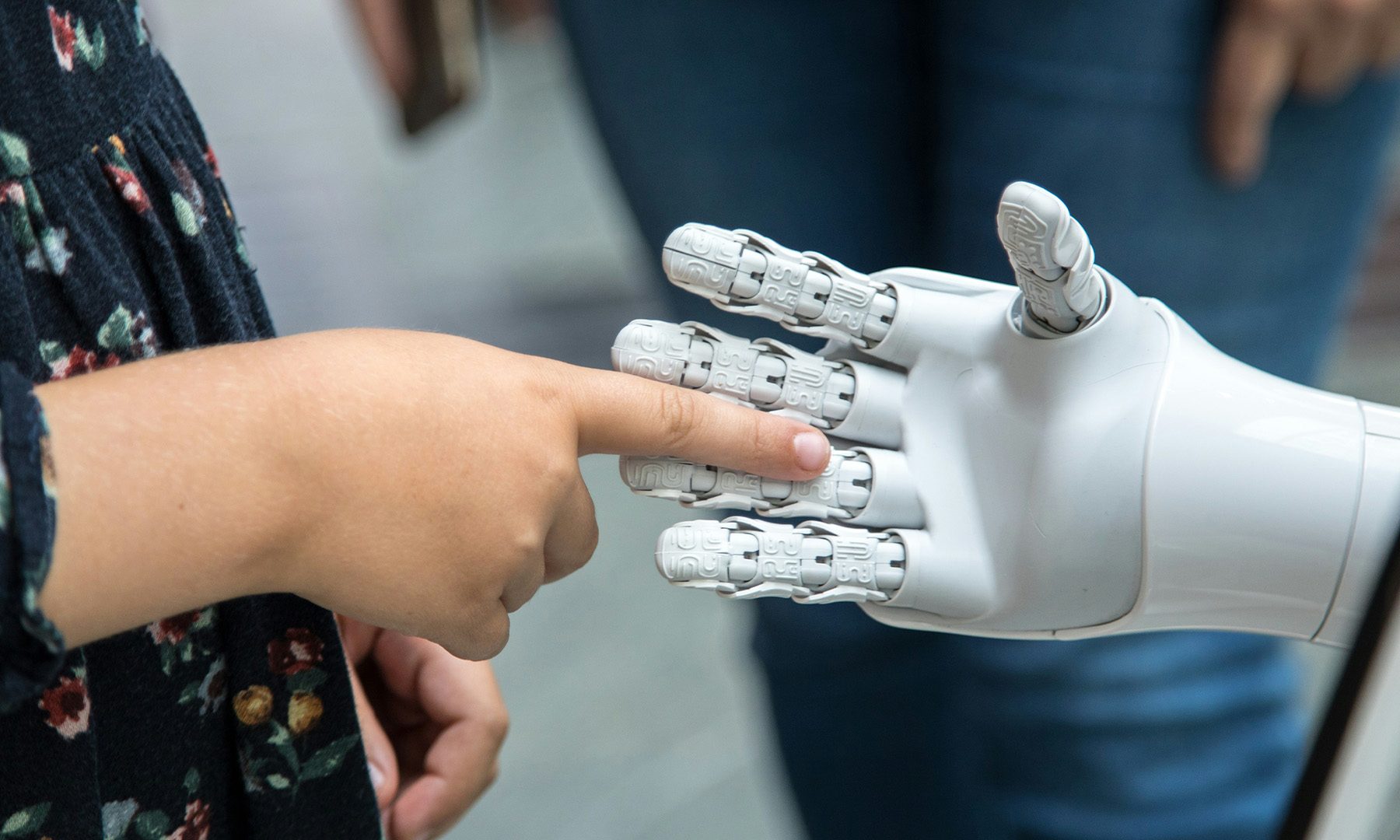
Robot Touch Human Finger

Samsung wants a place in the humanoid race, but its new robotics push begins with machines built for factories rather than homes.

The CEO-led RX robotics division will initially focus on manufacturing robots. Samsung has separately identified humanoids as a priority, although it hasn’t announced a commercial model or explained where one fits into the division’s immediate plans.

Read more
The future of AI may depend on this one behind-the-scenes change
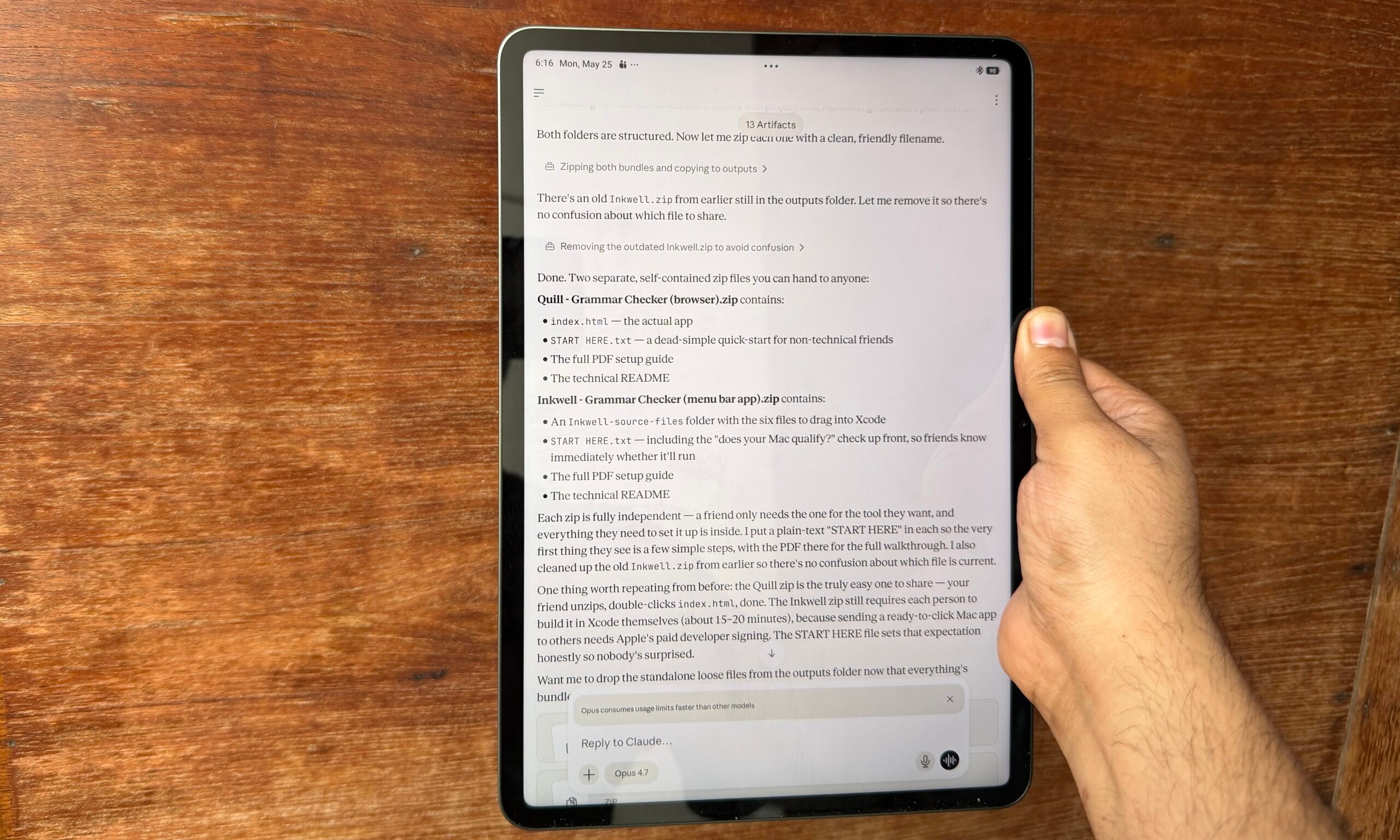
Running Claude on Android.

Whenever a new AI model arrives, it's easy to get caught up in the bells and whistles. We talk about how much smarter it is, how quickly it answers questions, or how realistic its images have become. But here's the thing: none of that matters much if the AI can't reliably work with the apps and services people use every day.

That's why an upcoming update to the Model Context Protocol (MCP) caught my attention. It isn't a new chatbot or a fancy AI model. In fact, most people will never even know it's happening. But it could quietly make the AI ecosystem a lot healthier. If you've never heard of MCP before, don't worry. Think of it as a shared language that lets AI assistants safely talk to apps like Gmail, Slack, calendars, databases, and countless other services. Instead of every company inventing its own way to make those connections, MCP gives everyone a common rulebook.

Read more