Beauty contests are slightly computational to begin with. While the notion of beauty is of something ephemeral and unquantifiable, a beauty pageant asks that we categorize and rank it: determining rules that let us objectively measure an idea which must be, at its root, mysterious and subjective.
No surprise, then, that here in 2016 we have just witnessed the first beauty contest judged by AI, as a jury of decidedly non-human bots picked out what they considered to be the best-looking people from a dataset of 6,000 entries.
“New tools like machine learning let us analyze images in a way that was never available to us before,” Anastasia Georgievskaya, co-founder and research scientist at Youth Laboratories, the company behind Beauty.AI, told Digital Trends. “Our goal was to investigate methods that would show new approaches to beauty evaluation.”
Beauty.AI’s contest offered participants the ability to, “Be the First Beauty Queen or King Judged By Robots.” Individuals from 119 different countries — the most popular entry locations being Russia, the U.S., India, Germany and Italy — sent in makeup-free selfies via a dedicated iOS or Android app, which were then studiously analyzed by a variety of algorithms; all modeling some aspect of what the company considers to be the biomarkers of beauty.
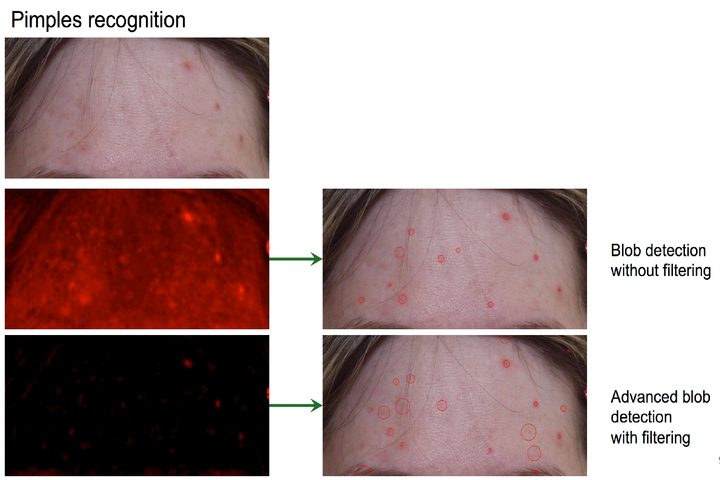
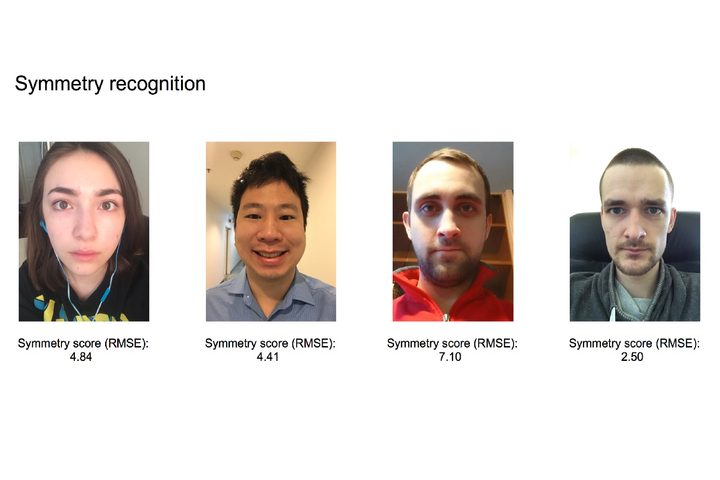
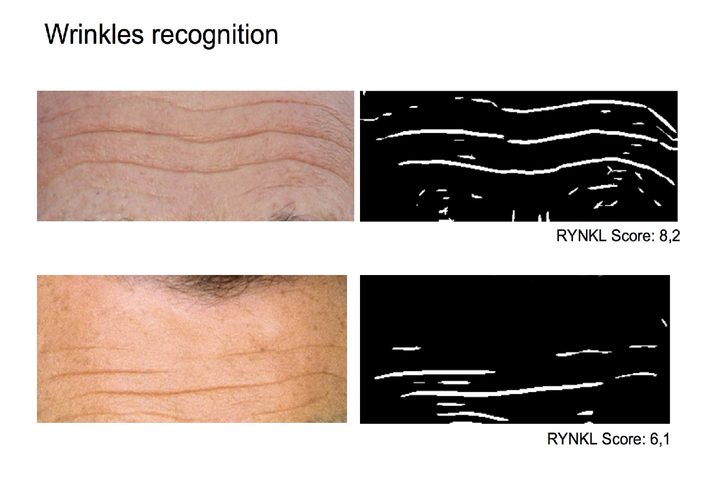
There were five algorithms in total. One called RYNKL carried out wrinkle detection on faces. Another, PIMPL, looked at pimples and other dermatological issues: described somewhat unflatteringly in the literature as, “advanced blob detection with or without filtering.” The third algorithm looked at how symmetrical faces appeared, while the fourth analyzed real age and perceived age to see if people looked old beyond their years. The fifth and final algorithm compared faces with actors and models from an extensive database.
Unlike many beauty contests, this competition was open to individuals from all over the world and of any age range. “We think our contest is more fair than usual beauty contests, where only pretty women between the ages of 20-30 participate,” Anastasia said. “We think people are beautiful at every age, so why not have a beauty contest for all age groups.”
To see the breakdown of winners in every category, you can check out the full list here.
Interestingly, Anastasia noted that there were strong disagreements from many humans when the AI revealed its top ranking boards. Just like the topic of whether or not machines can be creative, it seems that AI’s opinions on humanity’s best-looking representatives is another strongly emotive topic.
“Not everyone likes the winners that have been chosen,” Anastasia admitted.
But she feels that, like the fear people had in the 1970s about bringing computers into their homes, this is just another example of the new. “The way we view it, they haven’t got used to it yet,” she continued. “But we don’t think it’s something we should stop. We should build more algorithms to make it even more accurate. That’s why we advise people to keep on entering. Every time we will have more information about how the robots evaluated you, and what they think about the condition of your face.”
One possible reason for people’s fiery response to the outcome is because Beauty.AI’s contest doesn’t take into account the intrinsically subjective nature of beauty. Data from internet dating sites like OkCupid has laid out just how much our view of who is or isn’t beautiful varies from person to person. One might also logically expect it to vary depending on where you look in the world, which is certainly backed up by analysis of idealized body images.
The same could be true for differences in gender, where a young, wrinkle-free person might not be the beauty ideal across both male and female wishlists. For now at least, Beauty.AI sidesteps all of this. Like Henry Ford’s Model T motorcar, available in whichever color you want so long as it’s black, everyone is held to the same beauty standards.
But this is where the other part of Youth Laboratories’ mission comes into play. While it’s using AI beauty contests to grab people’s attention — and possibly to bolster its dataset of images — what the team behind it is really interested in is analyzing photos for health-related insights.
“For example, if the algorithms think you are much older than you actually are, you should consider changing your lifestyle,” Anastasia noted, describing the goal going forwards. “Such indications could be helpful in advising people to visit a doctor, to check that everything is alright, and [to pay] more attention to your health. As we add more algorithms, people will be able to get even more data.”
In other words, what seems a fairly frivolous, albeit interesting, example of image recognition today could have a significant impact tomorrow. Or several years from now, at least.
Having had great success with the first installment, the plan is for these beauty contests to run every four months — with the next one taking place in October. For this, Beauty.AI isn’t just asking for selfie submissions, but also for developers to submit new algorithms to help with the beauty quantifying challenge.
Will there be more agreement as to the winners next time? Who knows, but Anastasia probably isn’t wrong when she told us that, “Everyone is a bit curious about what a robot thinks of them.”