1. Home
  2. Photography
  3. News

Lawsuit contends photographing your own ballot shouldn’t land you in jail

Add as a preferred source on Google

Taking a selfie with your ballot in November could mean your next photo is a mugshot, but one lawsuit is working to change that, claiming the ban on polling-place photography is unconstitutional censorship. On Sept. 9, the Pillar of Law Institute filed a lawsuit challenging one state’s ban on polling place photography.

While there isn’t a federal ban on photographing a ballot, several states prohibit the practice entirely, while others allow only empty ballots to be photographed. Michigan is one of the states that prohibit cameras at the polls outright, and the Pillar of Law Institute is working to challenge that with a lawsuit against Secretary of State Ruth Johnson.

Recommended Videos

The lawsuit was filed on behalf of Michigan voter Joel Crookstan, who had no idea taking a selfie with his ballot in 2012 would land him in a heap of legal trouble. In Michigan, photographing your ballot can cause you to forfeit your vote as well as lead to a fine of up to $500 and up to 90 days in jail.

This photo showing a vote for Michigan State University trustees has resulted in a lawsuit questioning the ban on ballot photography
This photo showing a vote for Michigan State University trustees has resulted in a lawsuit questioning the ban on ballot photography Joel Crookston

Michigan is not alone either. New Hampshire is also facing legal battles on a similar front — although a judge struck down the state’s ballot image ban, the state is currently appealing that decision. Several states from California to Maryland have banned ballot photos.

Some only ban filled ballots that show who a person voted for while allowing blank ballots to be photographed, while other states do not allow photography inside the building at all. In states like Indiana, photographing a ballot is a felony, while for other states there’s no penalty in place, even though polling-place photography is discouraged.

“Many voters take ballot selfies and post them to social media sites like Facebook on election day, and it is a powerful form of free speech,” said Stephen Klein, Pillar attorney and lead counsel in the Michigan case. “Instead of just telling people whom they voted for, voters can actually prove whom they voted for — there’s just no other way to do that so convincingly. But the Secretary of State prohibits this. This is not just a case against silly rules; it’s a case against unconstitutional censorship.”

The lawsuit also calls into question the way that general photography is banned, while members of the media are allowed to take photographs inside polling locations. According to the lawsuit, the unequal treatment violates both free speech and equal protection.

While Klein says that the integrity of other voters’ ballots needs to be respected, the current restrictions on polling place photography violate voter’s rights to free speech regarding their own ballots. “Crookston’s lawsuit simply calls for recognition that the photography restrictions need to be narrower and not threaten people with jail time for photographing and publishing their own ballots,” he said.

For now, though, voters may be better off skipping the polling place selfie until the legal challenges are adjudicated.

Hillary K. Grigonis
Hillary never planned on becoming a photographer—and then she was handed a camera at her first writing job and she's been…
The FCC’s latest crackdown could put more than DJI drones at risk in the US
Robot, Person, Face

DJI may have found creative ways to keep some of its products flowing into the US, but those efforts are now drawing increased attention from regulators. According to The Verge, the US Federal Communications Commission (FCC) has started cracking down on several companies it believes could be helping DJI continue selling products in the country. These businesses have been described by industry observers as "DJI front companies" because they market or import products that appear to be closely tied to the Chinese drone maker while operating under different brand names.

DJI's alleged back door may be closing

Read more
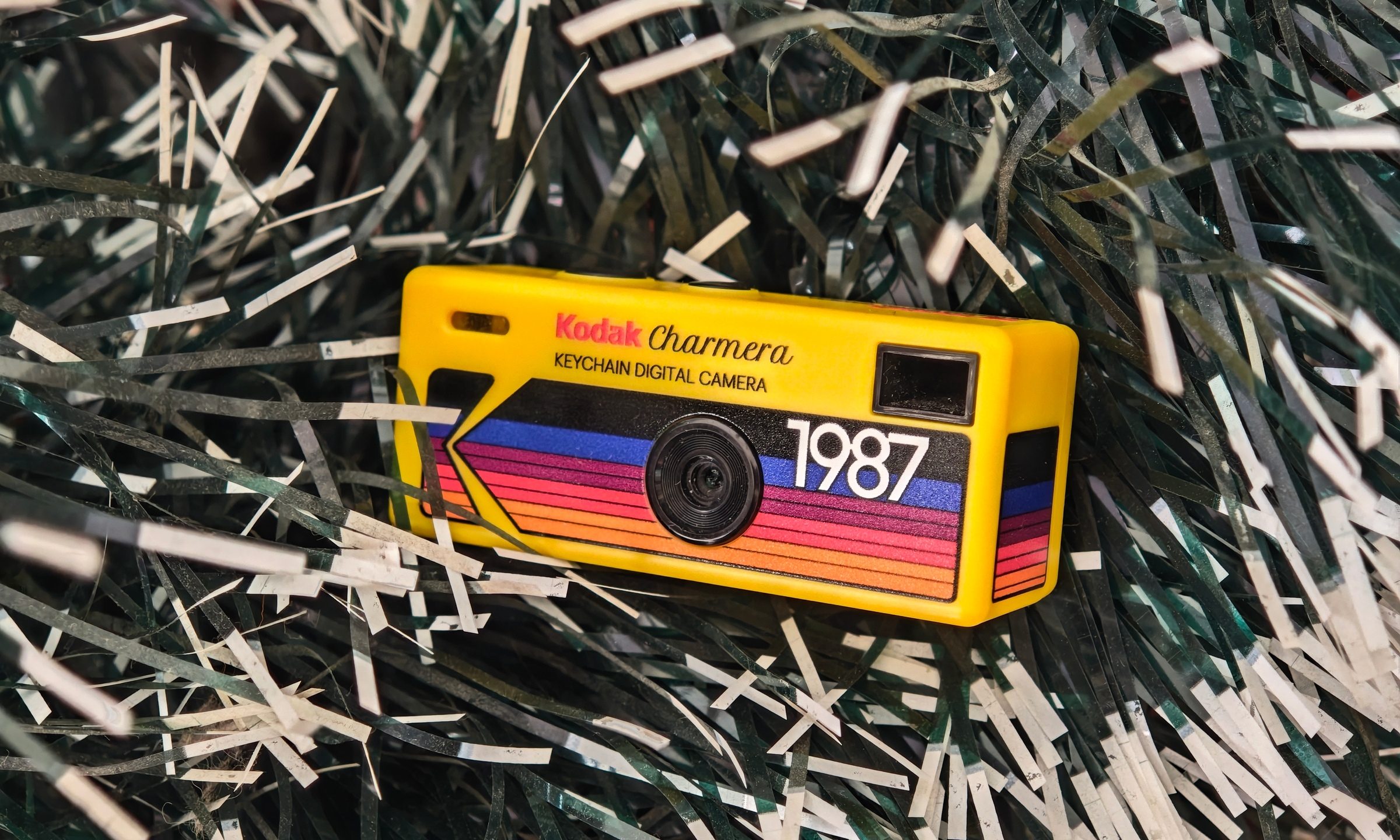
I bought Kodak’s viral keychain camera, and the bad photos are part of its charm
The Kodak Charmera is barely a camera, and I still keep using it
Machine, Wheel, Camera

I bought the Kodak Charmera partly because I wanted a portable digital camera, and partly because I wanted a pretty little collectible. The Charmera is sold as a blind box, so you do not know which version you are getting until the box is opened. There are multiple retro Kodak-style designs, plus a transparent secret edition that looks like the one everyone would want.

I had the shopkeeper pick my box for better luck, and it worked out. I got the yellow variant, which is inspired by Kodak's original 80s disposable camera. The transparent one is definitely the fun collector’s piece, but the yellow model feels like the proper Kodak version. It looks like a tiny toy camera that escaped from a souvenir shop, found a keyring, and now hangs around wherever you go.

Read more
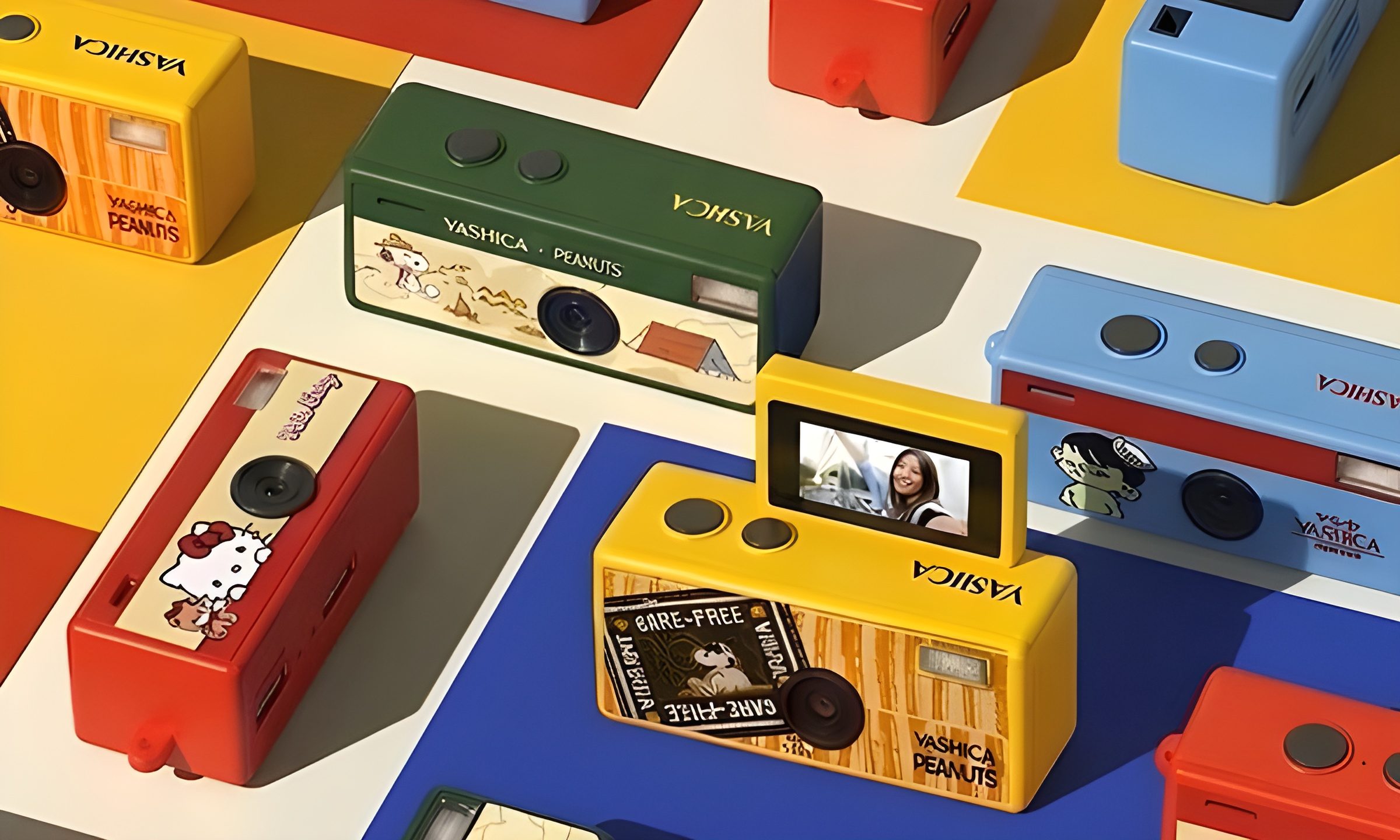
This new $30 keychain camera is coming for Kodak Charmera with a flip screen for selfies
Yashica's new camera makes toy photography more fun
YASHICA Funtastic Keychain Camera in multiple variants

Tiny digital cameras are all the rage, and Yashica is now offering a very cute toy photography experience of its own. The company’s new Funtastic Keychain Camera is exactly what the name suggests, a miniature digital camera small enough to clip onto your keys, bag, or lanyard. The popular Kodak Charmera is the obvious comparison, which brings a tiny blind-box keychain camera that became a viral collectible.

Now, Yashica's version lands in the same novelty-camera lane, but adds one very useful trick, which is a 180-degree flip screen.

Read more