A pressure cooker is like a slow cooker on steroids. It uses the same “set-it-and-forget-it” technique, but you don’t have to wait 10 hours for your food to be ready. The device uses, well, pressure to force heat into your food, resulting in quick yet tender meals.
The three most important criteria for most home cooks are that meals be quick, easy, and delicious. While a pressure cooker checks off these boxes, it isn’t the most common kitchen appliance. Why? One reason might be that people view pressure cookers as dangerous. Who wants a canister of pressurized heat sitting on their kitchen counter? While aging pressure cookers might have garnered a bad rap, modern cookers are chock-full of safety features that render them no more dangerous than your blender or toaster. That is, if you use them correctly. Here are a few tips to get you started with your pressure cooker.
Choosing a pressure cooker
The first step in using a pressure cooker is getting a pressure cooker.
These appliances can run from about $50 to several hundred, depending on the type of features you’re looking for. A basic pressure cooker — like the Presto 23-Quart Pressure Canner and Cooker — will only run you about $70, while the top-of-the-line Breville Fast Slow Pro will set you back about $250.
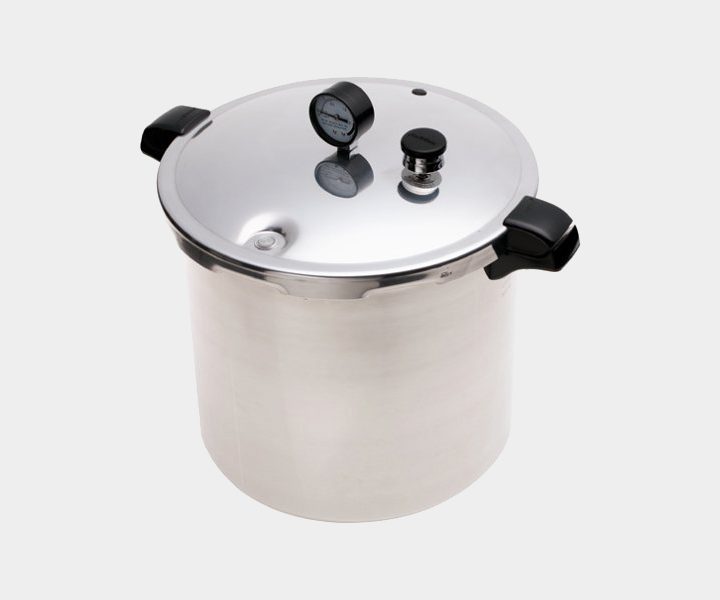
There are two types of pressure cookers: those that are heated by your stove and electric models. In addition to cost, you’ll also have to take size into account. Generally speaking, traditional stovetop cookers are larger than their modern, electric counterparts. Stovetop cookers typically lack additional features, however, such as digital displays and custom settings, many of which are included with today’s electric cookers.
Whether you decide to go big or small, electric or traditional, the one thing you’ll want to make sure of is that your pressure cooker has adequate safety features. We recommend finding a pressure cooker with a locking lid, a feature that prevents you from opening the lid until all of the pressure has been released.
Using a pressure cooker
If you’ve ever used a slow cooker before, then you already know the basics of using a pressure cooker. You prep your food, place it in the pot, select your settings, and wait. The biggest difference with the pressure cooker is that the wait time is drastically less.
Another convenience of modern pressure cookers is that many of these appliances have a built-in “sauté” function, which makes these machines capable of cooking “one-pot” meals. Many recipes call for you to brown your meat or sauté your vegetables before you start the cooking portion of your meal. While this typically requires at least one extra pan, a pressure cooker with a built-in sauté feature, like the Instant Pot 7-in-1 Multi-Functional Pressure Cooker, allows you to do just about all of your cooking in the appliance.
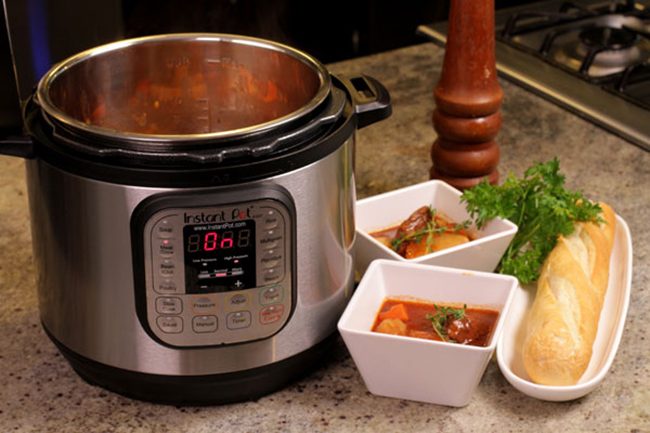
You’ll have to go through a specific process to set things such as temperature and cooking time, so please read your manual before you start cooking. The one thing that all pressure cookers have in common, however, is that they require liquid. A pressure cooker works by turning liquid into steam, and then using that steam to build up the pressure and cook your meal. Most recipes will instruct you to add water, broth, or some sort of sauce to your meal. If your recipe doesn’t, the first thing you should do is add some water to your pressure cooker. Then, get a new recipe.
Safety first
Since your pressure cooker is probably capable of building up more than 15 pounds of pressure per square inch while cooking your meal, it’s a good idea to take some safety precautions.
It’s important to understand your appliance’s safety features before you start cooking. All pressure cookers will have some sort of gauge to measure the PSI inside of your device, and it’s extremely important to vent this pressure before you remove the lid. On most modern appliances, this is as simple as pressing a button. Appliances like the Power Pressure Cooker XL even feature a safety lock on the lid, which makes it impossible to remove the lid before releasing the pressure. If you’re using a traditional pressure cooker, you might want to look for one that has an overpressure plug, which will automatically release steam if the PSI gets too high during any point in the cooking process.
While removing the lid is likely the most dangerous part of the cooking process, you also need to pay attention to the setup and upkeep of your appliance. Make sure to check that the lid is properly sealed and that all latches are secured before you start cooking. You’ll also want to make sure that your appliance is routinely clean and properly stored to avoid any buildup that could possibly compromise the integrity of your pressure cooker.
Using a pressure cooker may seem a little daunting at first, but once you get use to it, these devices are a great way to make quick, easy, and delicious meals at home.