1. Home
  2. Emerging Tech
  3. Wearables
  4. News

Wearable exoskeleton lets researchers in Russia control a robot in Germany

Add as a preferred source on Google

You know that whole chaos theory idea (okay, we saw it in an Ashton Kutcher movie) about how a butterfly flapping its wings in one part of the world can trigger a hurricane in another?

Well, the 2016 equivalent is a project where scientists in Russia wear an exoskeleton to control a connected robot in Germany.

Recommended Videos

Named CAPIO, the project is the work of DFKI, a kind of European DARPA focused on building robots for carrying out applications and tasks that can assist humans. One of its robots is called AILA, and is controllable using CAPIO, an eight-contact exoskeleton system that wearers can use to move AILA in real time.

Impressively, it even boasts haptic feedback to let users get a sense of what they may be “touching” many, many miles away.

“The idea behind the project was to combine AI software approaches like machine learning and robotics-based hardware design to achieve an exoskeleton that understands the user’s intentions in terms of arm movements, and supports those intentions seamlessly,” Professor Dr. Frank Kirchner, a roboticist, told Digital Trends.

Capio Exoskeleton

The possible applications of CAPIO are endless. For example, with its impressively fine motor skills, it could be more accurately controlled by human operators from a great distance.

One dream involves humans controlling a robot on the International Space Station — which is actually just a tenth of the distance from Bremen, Germany, to Magnitogorsk, Russia — only vertical rather than horizontal. Another ambition, closer to the heart of Kirchner, is that it could function as an important tool in the rehabilitation of stroke patients by acting as their avatar on a 24/7 basis during their recovery.

“Once we [make] it even lighter and more wearable, we can think of giving these things to patients to take home and wear all day,” Kirchner said. “This way people will be able to move their arms again and be [self-sufficient] again.”


Luke Dormehl
I'm a UK-based tech writer covering Cool Tech at Digital Trends. I've also written for Fast Company, Wired, the Guardian…
Everything is not okay with DuckDuckGo and its AI
A coordinated Reddit campaign appears to have tricked multiple AI search assistants into spreading false information.
The DuckDuckGo logo.

DuckDuckGo has built its reputation on privacy-first search, but this week, its AI assistant landed in hot water for an entirely different reason. Apparently, Duck.ai confidently claimed that U.S. President Donald Trump had died of rabies earlier this month, complete with fabricated details about Vice President JD Vance, Robert F. Kennedy Jr., and fake supporting news reports. None of it was true.

A fake Reddit campaign managed to fool Duck's AI

Read more
Stanford scientists built an AI that can design healthier, greener burgers
The new system balances nutrition, taste, cost, and environmental impact to create better recipes.
Burger, Food, Food Presentation - Man picking a burger

Artificial intelligence has already helped write code, discover drugs, and generate videos. Now, it's trying to make a better burger. Researchers at Stanford University have unveiled BurgerAI, a new AI system that designs burger recipes by balancing taste, nutrition, sustainability, and cost. The surprising part? In blind taste tests, diners liked some of the AI-created burgers just as much as, and in some cases more than, a popular fast-food burger.

BurgerAI is designed to invent recipes, not copy them

Read more
OpenAI reveals its most advanced GPT-5.6 model, but you can’t access it yet
GPT-5.6 brings new reasoning, autonomy, and cybersecurity capabilities, but its rollout is currently limited to government-approved customers.
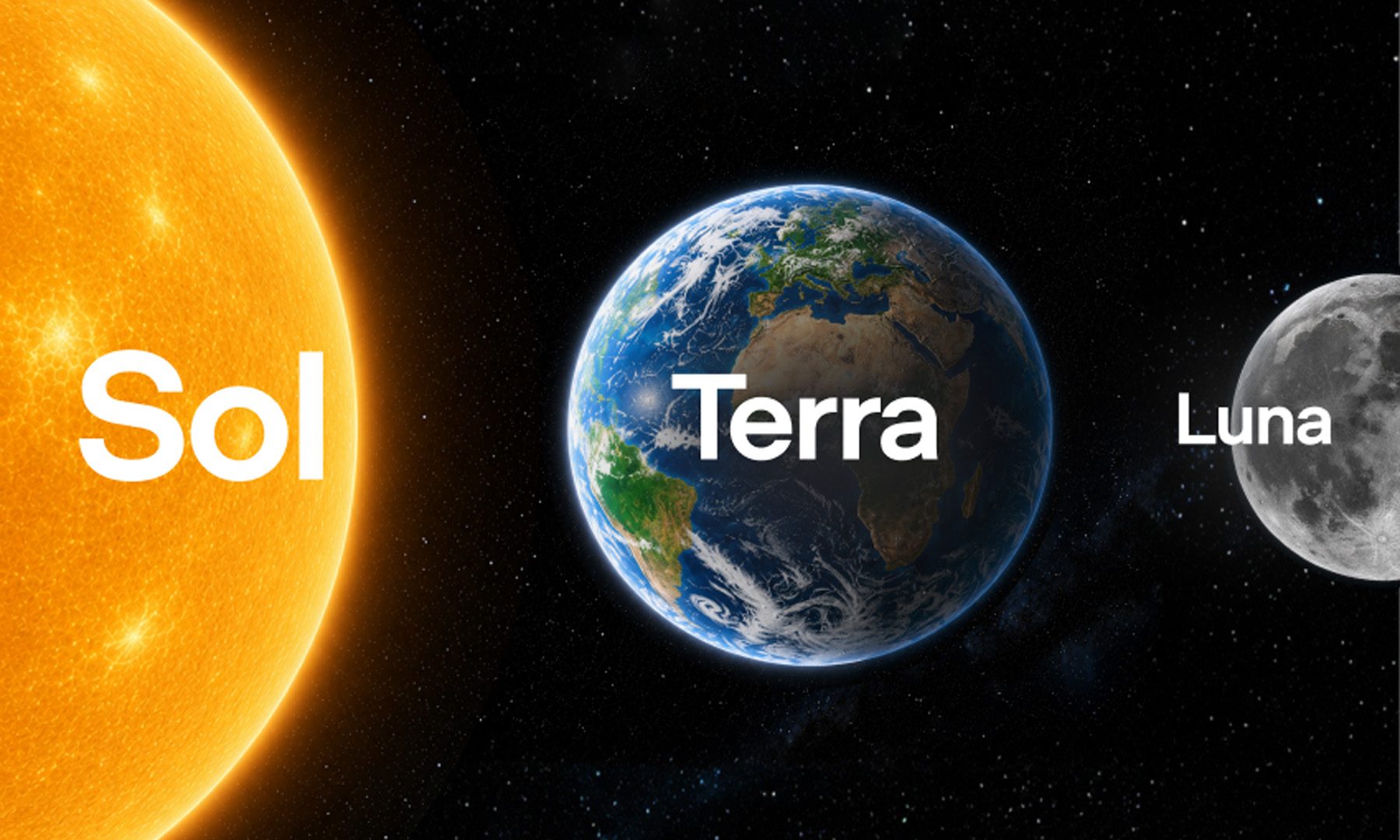
OpenAI ChatGPT 5.6 Sol Terra Luna Announced

OpenAI has officially taken the wraps off GPT-5.6, its most advanced family of AI models to date. There's just one catch: unless you're one of a handful of approved customers, you won't be able to try it anytime soon. Instead of a broad launch, the company is beginning with a tightly controlled preview while it works through a new U.S. government review process.

GPT-5.6 is here, but only a few people can use it

Read more