1. Home
  2. Computing
  3. Photography
  4. News

Windows users can now take advantage of award-winning Affinity Designer

Add as a preferred source on Google

A week after Serif announced beta testing for the Windows version of Affinity Photo, the company’s Photoshop competitor, it’s bringing the same cross-platform compatibility to its graphic design platform. The toolset for Affinity Designer, the best-selling design app from the Apple store that was named the Mac App of the Year in 2015, is now available for Windows users.

Where Affinity Photo is designed for editing existing images, Affinity Designer develops digital designs from scratch with vector tools, type, art boards and color management. The Nottingham, England-based company says that Mac users can craft anything from logos to user interface design and web graphics using the program.

Recommended Videos

The Windows version brings the same features of previous Mac options to another operating system. “What might surprise some people is that the Windows version shares exactly the same back-end code as our Mac version,” said Ashley Hewson, Serif managing director. “Not only does this mean perfect cross-platform file compatibility, it means the same memory management and rendering technology which give Affinity Designer its blistering speed.”

Affinity Designer for Windows

According to Serif, Affinity Designer uses non-destructive editing effects, which means users can undo one of the first adjustments they made without redoing every change that’s happened since. Users can also save their design’s history, so that undo button still works even after the file has been closed and reopened.

The platform is also capable of handling PSD, SVG, EPS, PNG and PDF files. Users with Windows 7 and above can also now enjoy 10 million percent zoom and an adjustable preview for standard and retina screens.

“When we launched Affinity Designer, we never expected the impact it has made. Seeing it so widely adopted by designers around the world — and all the incredible work people are creating with it — has been such a rewarding experience for the team here,” Hewson said. “We’ve released many updates to Affinity Designer since launch, adding hundreds of new features which users asked for. But by far the biggest single request has been for the Windows version, so we’re delighted to finally deliver that.”

Affinity Designer for Windows will sell for a one-time price of $49.99, after a $10 discount, until Nov. 24 to celebrate the launch.

Hillary K. Grigonis
Hillary never planned on becoming a photographer—and then she was handed a camera at her first writing job and she's been…
Google’s new Magic Pointer Play Store listing reveals a Gemini shortcut built for Googlebooks
The unannounced app turns the cursor into a contextual AI tool for search, image creation, and shopping
Plant, Text, Business Card

Google has quietly published a new Play Store listing for Magic Pointer, an unannounced app built for Googlebooks. Updated on July 10, the app turns the cursor into a Gemini shortcut that can act on whatever a user selects on screen.

Magic Pointer can send an image to Lens, generate a related image, or surface a shopping action without forcing users to open a separate chatbot. Regular Android devices currently show as incompatible, so the listing offers an early preview rather than a broad release.

Read more
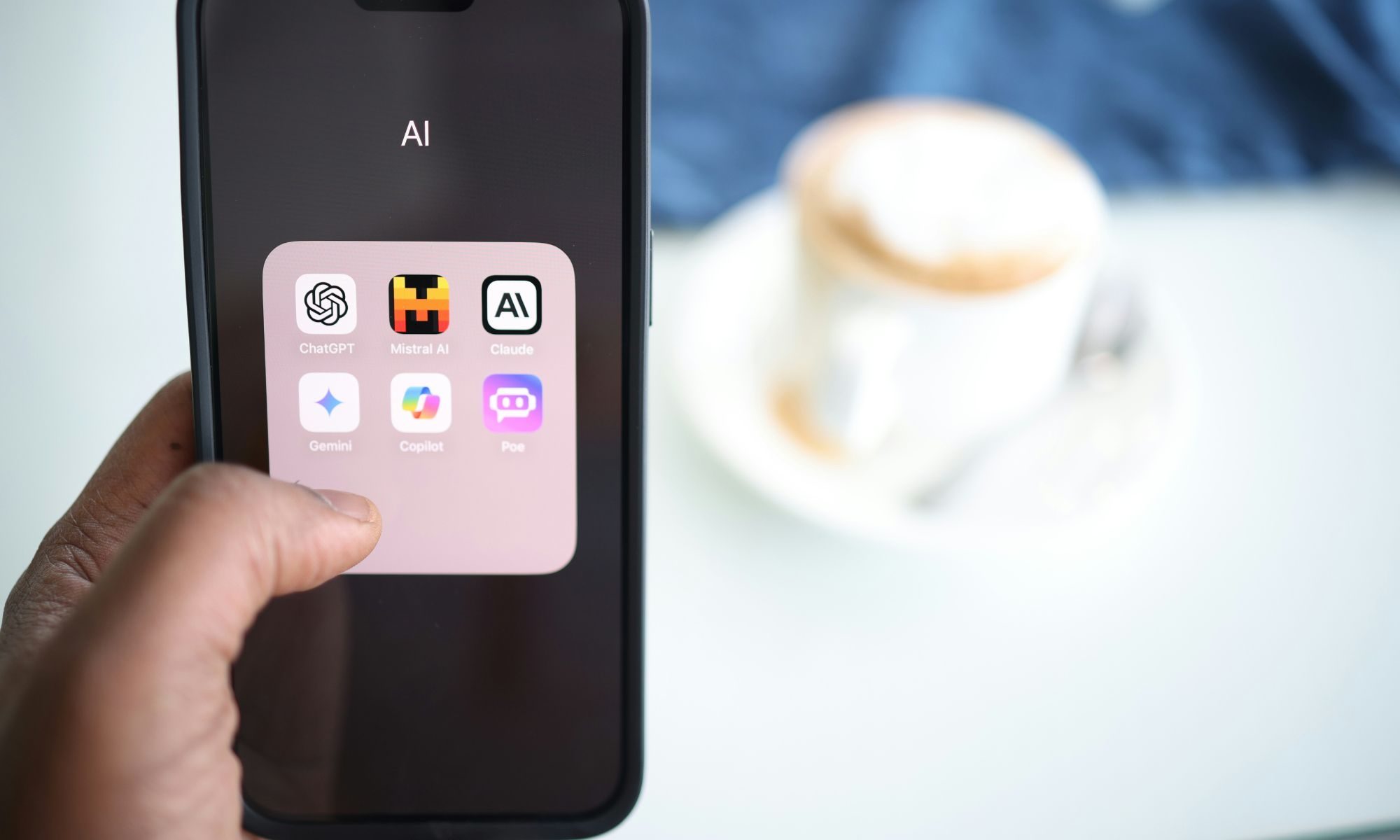
You can stop using AI, but this new report says you probably can’t escape it
A UK survey found that most people feel AI exposure is unavoidable, raising harder questions about consent, privacy, and whether opting out is still realistic
AI Chatbots

More people are trying to use less AI, but avoiding it altogether may already be impossible.

A survey of 2,055 UK adults found that 42% deliberately limit how much AI they use. Another 70% said avoiding AI exposure would be difficult or impossible, even when they actively wanted less of it.

Read more
The face on an AI interviewer may matter as much as the decision it makes
Researchers found that race and gender matching changed how fairly rejected applicants viewed an automated interview, even though everyone received the same outcome
File, Computer Hardware, Electronics

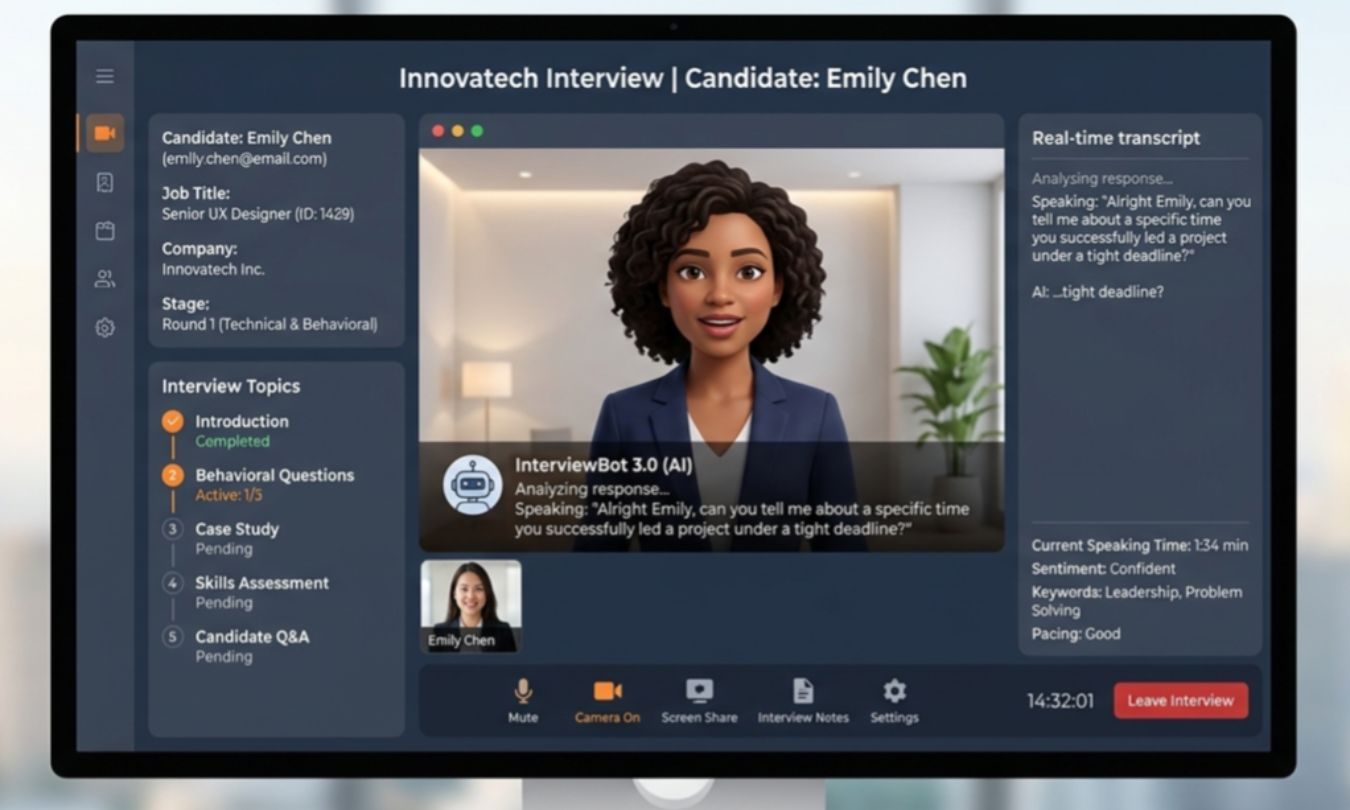
An AI hiring system can treat every applicant the same and still leave some people feeling targeted. Researchers found that rejected candidates judged an automated interview differently depending on the race and gender of the avatar delivering the result.

Around 220 participants completed a simulated interview for a fictional customer support role with one of four photorealistic AI avatars. Everyone was rejected, yet perceptions of fairness shifted with the interviewer’s appearance. An algorithm audit could miss that reaction because candidates don’t experience the system as raw code. They experience a face asking questions and judging their answers.

Read more