1. Home
  2. Phones
  3. Android
  4. Audio / Video
  5. Computing
  6. Mobile
  7. Smart Home
  8. News

Google quietly renaming Cast branding (yes, again) to 'Chromecast built-in'

Add as a preferred source on Google

Google can’t seem to make up its mind.

The search giant debuted its streaming stick, the Chromecast, in 2013. The $35 device went on to be one of Google’s most successful products. Naturally, Google started partnering with other companies, such as Sony, LG, Vizio, to integrate the cast technology into various products like TVs and speakers.

Recommended Videos

The Mountain View, California, company named this integrated technology Google Cast, and even rebranded the Chromecast app to Google Cast earlier this year. So Google’s streaming stick is still called the Chromecast — the Chrome branding highlights the simplified Chrome OS it runs — but the app used to control it and other cast-enabled devices is called Google Cast.

Google Home caused yet another rift in the branding. The company recently rebranded the Google Cast app again, and now it’s simply called Home. This all happened in the same year. Confusing, right? It doesn’t matter if you have a Google Home — the app houses all your connected devices that use Google’s cast technology.

Now, Google seems to be going back to the Chromecast name. According to Variety, Google has been quietly removing mentions of Google Cast. It’s replacement? “Chromecast built-in.” The name is easier for consumers to understand the connection between cast-enabled devices and the Chromecast, but the process it took to get here was tortuous.

Google renamed its Google Cast Twitter account to @Chromecast. The Cast website now makes mention of the new name — “Google Cast–also known as Chromecast built-in.” Variety says Google’s partners have also started removing previous mentions of Google Cast on their respective websites.

https://twitter.com/Chromecast/status/801111758748483584

If you’re confused, don’t worry — going through a rebrand for a product this many times in one year is not normal. Let’s do a quick recap: The names for the $35 and $80 Chromecast and Chromecast Ultra are staying the same. The cast technology you’ll find in speakers and TVs from other manufacturers will now say “Chromecast built-in.” The app used to manage these devices, including Google Home, is called Home.

Google did not immediately respond to a request for comment.

Julian Chokkattu
Former Mobile and Wearables Editor
Julian is the mobile and wearables editor at Digital Trends, covering smartphones, fitness trackers, smartwatches, and more…
The Light Flip brings back the flip phone, minus the distractions
The company's first flip phone features a T9 keypad, 5G, USB-C, and LightOS instead of addictive apps.
Light Flip Phone Featured

Flip phones are having a bit of a comeback. But most modern versions either feel cheaply made or swap one set of distractions for another. That's exactly what Light says it wants to change with the Light Flip -- its first-ever flip phone and the fourth phone the company has released in the past decade. Staying true to the philosophy behind previous Light Phones, the new device combines a classic clamshell design with a minimalist software experience that helps users stay connected without constantly competing for their attention.

A classic flip phone with modern essentials

Read more
Samsung’s new AI assistant wants to explain what your health data actually means
Your Galaxy Watch collects the clues. Samsung Health Assistant connects the dots.
Samsung Health data screen.

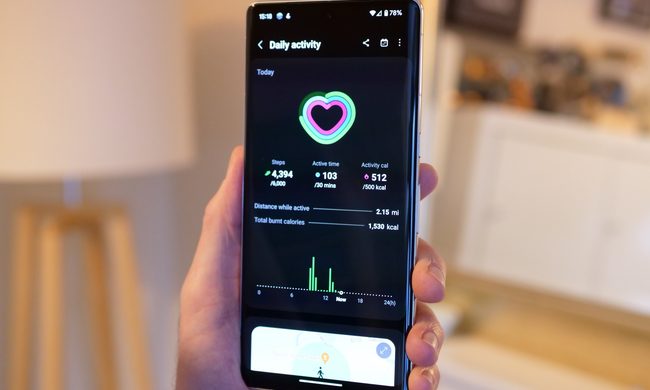
Samsung Health is getting smarter than ever before with its new AI assistant. The Samsung Health Assistant is now available in beta to eligible users in the United States. Built directly into Samsung Health, the conversational assistant can analyze information collected across the app and answer personalized questions about the user’s health and wellness.

Your health charts talk back now

Read more
Apple’s next big iPhone display experiment could be its biggest yet
The company may be testing a 6.96-inch panel for a future flagship, although one leaker’s post is currently the only source for the exact measurement
iPhone 17 Pro Max

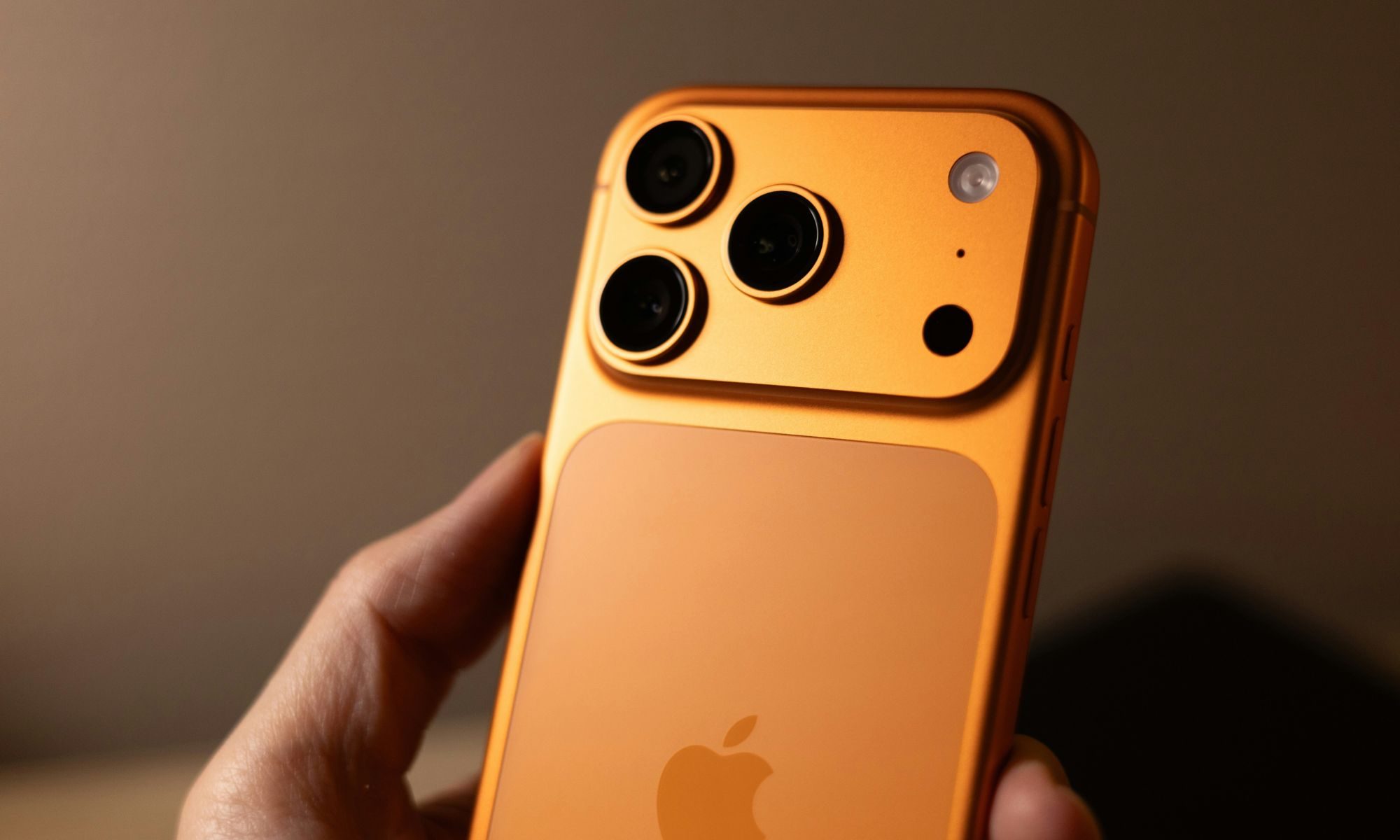
Apple may be testing a 6.96-inch display for a future iPhone, bringing its largest handset within a whisker of the 7-inch mark.

Leaker Digital Chat Station claims the experimental panel retains the same aspect ratio as Apple’s current Pro Max display. The post mentions the iPhone 20 Pro Max as a possible destination, but doesn’t connect the screen to a finished device. Apple could be exploring the size without putting it anywhere near a production line.

Read more