1. Home
  2. Computing
  3. News

Mac market share falls to five-year low

Add as a preferred source on Google

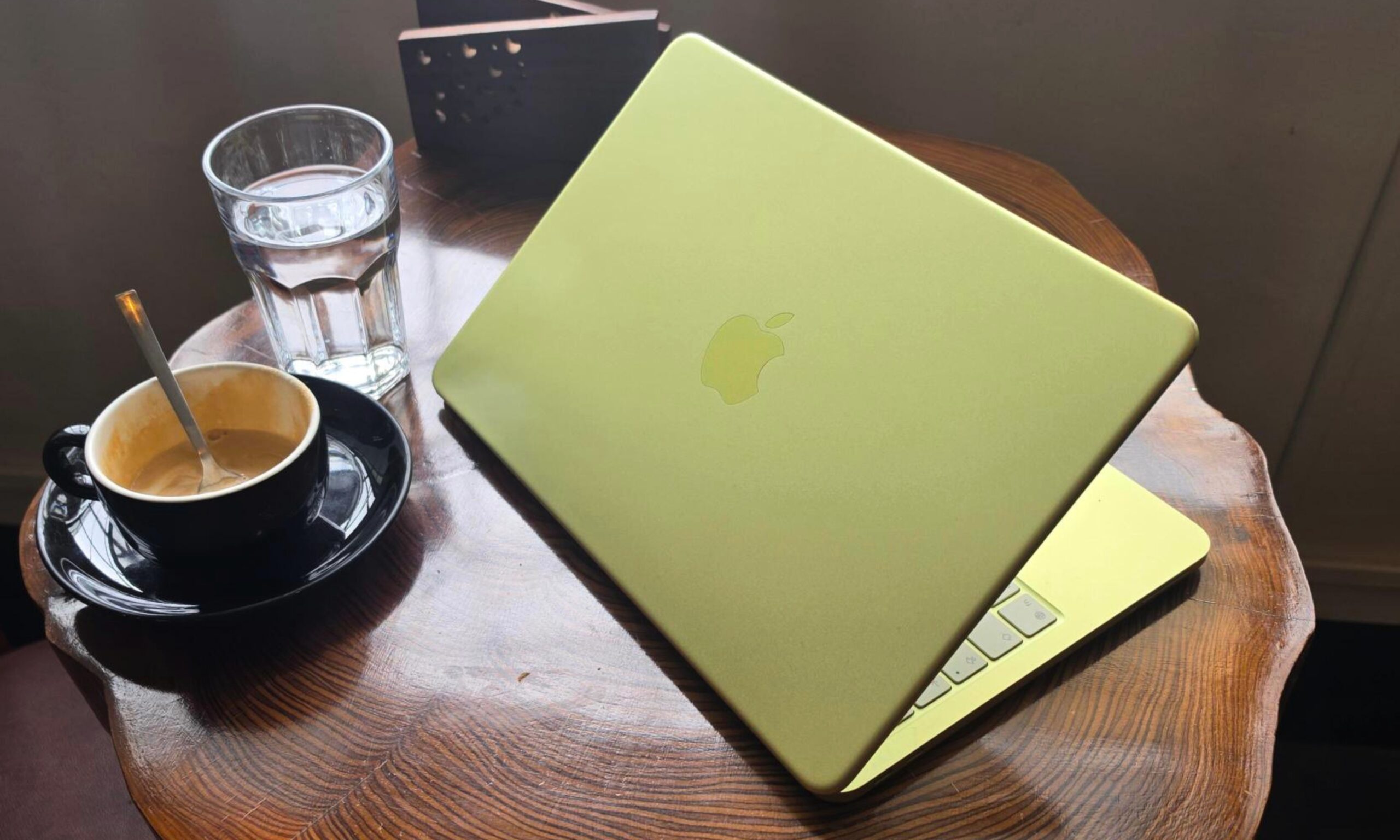
Apple’s executives took a pay cut due to the company missing its 2016 economic goals, and the tech conglomerate’s Mac market share is taking a hit as well. Shares of Apple’s personal computer market fell to a five-year low last month, according to a report from Computerworld.

Analytics vendor Net Applications shows that Apple’s macOS powered “just 6.1% of all personal computers last month, down from 7% a year ago and a peak of 9.6% as recently as April 2016.”

Recommended Videos

Meanwhile, the Mac’s 6.1 percent user share in December clocked by Net Applications was the lowest since August 2011. Computerworld also makes this distinction: user share does not equal sales. It notes: “The former resembles the installed base more than anything — but Apple’s own data fits the view of a shrinking Mac. In October, the company reported sales of 4.9 million Macs for the September quarter.” This marks a 14 percent year-over-year decline and the fourth consecutive quarterly downturn.

Apple’s sales slump in the past year has been more pronounced than for the PC industry as a whole, according to prominent industry researchers like IDC and Gartner. That is a big change from many previous quarters, when the Mac growth rate consistently topped the industry average. Apple was also aided by the fact that for most of that time period, Microsoft was experiencing some difficulties establishing new operating systems such as Windows 8. They seem to have found more acceptance with Windows 10, which is good news for Redmond, but not for Cupertino.

CW reports that as the Mac slump became evident, rivals such as Windows and Linx were the beneficiaries, though of meager amounts, each picking up about half a percentage point in the last year. Linux is now up to a 2.2 percent user share according to Net Applications.

Brinke Guthrie
Former Contributor
Brinke’s favorite toys include his Samsung Galaxy Tab S, Toshiba Chromebook 2, Motorola Moto G4, and two Kindles. A…
Asus’ latest Zenbook puts a seriously bright OLED screen inside an impossibly slim body
The Zenbook 14 Air is only 11mm thick but still packs a 77Wh battery
Computer, Electronics, Laptop

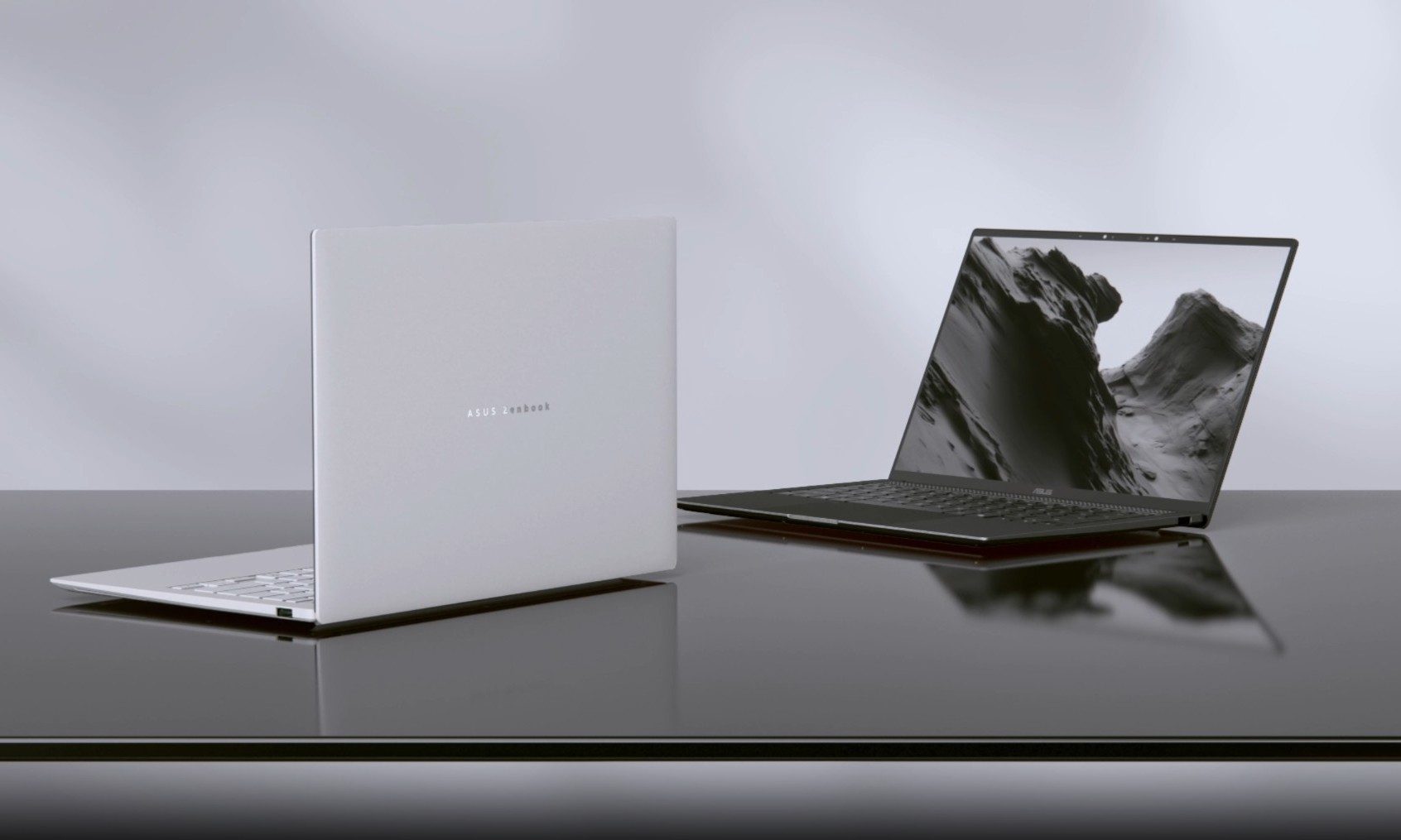
Asus has introduced a new AMD-powered version of the Zenbook 14 Air 2026, combining a bright OLED display and a large battery inside an 11mm-thick chassis. It weighs 1.19kg, keeping it firmly in ultraportable territory despite the 77Wh battery inside.

The Zenbook 14 Air 2026 itself is not entirely new. Asus launched an Intel configuration powered by the Core Ultra 9 386H in China back in January. The latest version switches to AMD’s Ryzen AI 7 H 445 and is priced at CNY 9,999, or around $1,477. (via Notebookcheck)

Read more
Before you blow your student budget, here’s the MacBook that actually suits your major
Confused by the MacBook lineup? I sorted it out so students don't have to
Computer, Electronics, Laptop

Apple’s MacBook lineup has become much broader in 2026. The MacBook Neo brings the entry price down considerably, the M5 MacBook Air remains the obvious all-rounder, and the MacBook Pro covers students whose coursework can push a laptop to its limits.

But with a wide range, choosing one becomes harder. Spending more can bring a better display, faster storage, additional ports, and considerably greater performance. However, plenty of students will never take advantage of those upgrades. So, I have narrowed the current lineup down to three models, each aimed at a distinct kind of buyer.

Read more
Qualcomm is set to ratchet up chip prices in September, and your next gadget upgrade could bear the brunt
The price hike could touch every Snapdragon-powered device category.
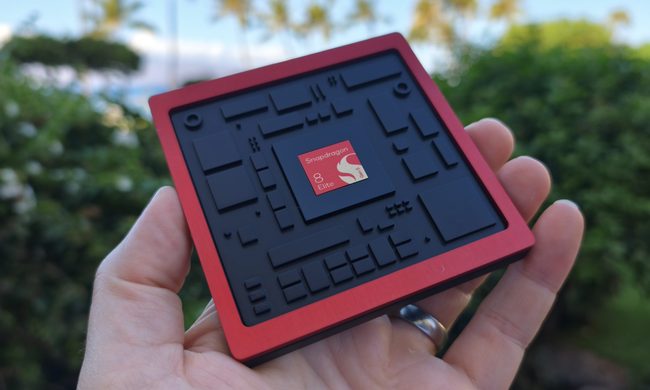
The new Qualcomm Snadragon 8 Elite Gen 5

I want you to sit with this for a second. Qualcomm, the company whose Snapdragon chips sit inside your Android phone and tablet, your Windows laptop, your Meta smart glasses, your Galaxy Watch, and your wireless earbuds, reportedly sent a letter to every major customer telling them prices are going up by double digits. 

The price hike will be in effect from September 1, 2026, a recent Bloomberg report claims. Essentially, all the companies placing their chip orders after that will pay a higher price. 

Read more