1. Home
  2. Computing
  3. News

Hard disks from Toshiba and HGST make it through 2016 without a drive failure

Add as a preferred source on Google

Cloud storage provider Backblaze released its drive reliability numbers for the last quarter of 2016, illustrating that two hard drive manufacturers just might produce the most reliable drives on the market. So, who are the lucky hardware manufacturers?

That honor goes to a few server pods using Toshiba and HGST hard disks. Specifically, Toshiba-brand and HGST-brand industrial sized 4TB and 8TB hard disks which Backblaze uses in custom-built pods — essentially massive stacks of hard disks used to store your cloud data.

Recommended Videos

According to Ars Technica, each pod is comprised of 45 to 60 identical hard disks and the pods which used the Toshiba and HGST hard disks (three pods running 4TB Toshiba hard disks, and one 45-disk pod running 8TB HGST drives), managed to make it through an entire year of heavy usage without a single drive spindle failing.

Altogether, the Toshiba drives managed 1.2 million hours of aggregate usage in 2016, all without a single drive spindle failure. That failure rate eclipses even Toshiba’s most optimistic manufacturer estimates, which suggest that you should see at least one failure per million hours of aggregate usage.

Backblaze’s findings for 2016 show an overall failure rate — including all of their hard disks — just under 1.95 percent, which is the lowest the cloud storage provider has ever seen. So what does that mean for you? Well, there are two takeaways here.

One, hard disks — despite the supremacy of solid-state drives — are getting more and more reliable as manufacturers gear their highest-storage options toward the needs of cloud service providers like Backblaze. Secondly, cloud storage providers are becoming more reliable as their hardware and storage methodologies improve.

Not to mention hard disks are getting massive. Backblaze employs a number of hard disk pods which employ 8TB hard disks from Seagate and HGST, the storage space equivalent of a jumbo-jet hangar.

Jaina Grey
Former Digital Trends Contributor
Jaina Grey is a Seattle-based journalist with over a decade of experience covering technology, coffee, gaming, and AI. Her…
1Password lets Claude inside your accounts without handing over the keys
Claude can now sign in on your behalf while your password stays hidden, though trusting it after login is a separate decision
1Password official

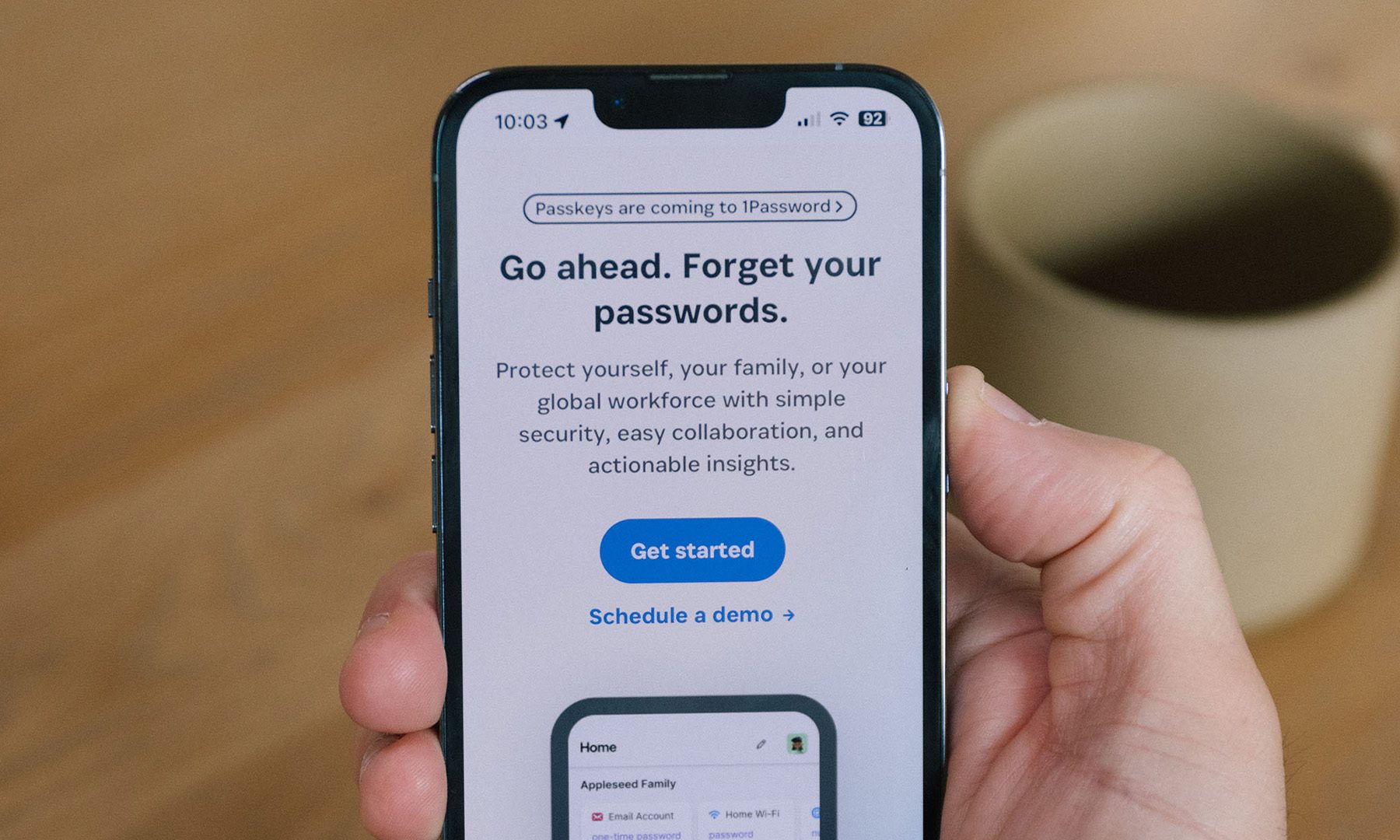
1Password is giving Claude a way into your online accounts without making your passwords part of the bargain. The new 1Password for Claude integration can fill login details while keeping the credentials hidden from Anthropic’s AI agent.

Available now on Mac, the feature kicks in when Claude reaches a sign-in page during a task. Claude requests a saved login, then you approve or deny it. If approved, 1Password submits the credentials through a separate encrypted channel. Passwords and one-time codes never enter Claude’s context or Anthropic’s systems.

Read more
New open-weight AI from China is toppling the best of OpenAI and Claude Fable
Moonshot’s 2.8-trillion-parameter Kimi K3 beats Fable 5 and GPT 5.6 Sol in select benchmarks
Art, Drawing, Plant

China's Moonshot AI has launched Kimi K3, a massive 2.8-trillion-parameter model built for coding, research, reasoning, and visual tasks. Moonshot admits K3 still trails Claude Fable 5 and GPT 5.6 Sol overall. Even so, its benchmark results put it surprisingly close to both, and it finishes ahead in several tests.

How close is Kimi K3 to the best closed models?

Read more
Gemini could finally let you choose how friendly it sounds
Finally, you can stop Gemini from sounding like your HR manager
Google Gemini

Google has spent the past few months making Gemini sound more natural, expressive, and conversational. Now, it appears the company is preparing to give users far more control over how the AI speaks.

Code spotted by Android Authority's APK Insights - the latest beta version of the Google app suggests Gemini may soon allow users to customise its voice across four separate parameters: Energy, Formality, Warmth, and Speed. Instead of choosing from a fixed list of personalities, users could tweak these characteristics to create a voice that better suits their preferences.

Read more