Smart-home products and renovations tend to vary widely in terms of cost. A smart bulb can cost about $20, while more expensive renovations — namely those which require a company to install tech throughout a home — check in at several thousand dollars.
Before long, a growing number of homeowners may opt for investments in smart features, especially those capable of reducing monthly expenses. If you want an idea of how mainstream smart-home products are becoming, just look at Ikea’s lineup.
But is it worth it to install smart-home renovations throughout your house? It might depend on whether you’re hoping to make your life easier or get a return on that investment. Transforming your home to suit your needs, tastes, and hobbies is fine, but you probably don’t want to look at these changes as investments. While some features may help increase the resale potential of a home by reducing expenses or adding a “wow” factor, others probably don’t justify the money. To help, we’ve compiled a few home renovations that might not pay off.
Overly smart kitchen

Remodeling a kitchen can consist of refinishing cabinets, adding backsplash, painting walls, and buying a few bar stools for the countertop. Or it can be a major endeavor when you decide to replace everything down to the studs.
As of 2017, a major kitchen remodel costs roughly $62,158 to complete (on average) and at resale time, the average recuperation of such costs is around $40,560. This means homeowners typically get about 65 percent of their money back, according to Remodeling Magazine’s 2017 Cost vs. Value Report. A minor remodel costs an average of $20,830 to complete, with homeowners recouping roughly $16,700 of those costs, meaning a minor remodel recuperates more of its cost — about 80 percent — at resale.
If you fill a kitchen with the latest tech during a remodel, you might end up over-remodeling to the point where it’s impossible to recuperate the initial investment. If you purchase all the latest smart appliances, for instance, you’re looking at a cost of around $4,000 for a refrigerator, $4,000 for an oven, and another $1,000 for a dishwasher. You’ll still need a range hood, a wine cooler, and small appliances, before even adding the cost of the essentials — cabinets, flooring, labor, etc.
At the moment, you probably don’t need a dishwasher that reorders its own detergent. In some ways, buying connected appliances makes sense when it comes to future-proofing. Manufacturers can deliver updates that add helpful or fun new features. Just keep in mind that your Samsung oven isn’t going to make small talk with your Whirlpool dishwasher. That might not be a big deal right now, but imagine how cool it would be if your oven knew it had a heavily soiled lasagna pan after tonight’s dinner, and the dishwasher could adjust its settings accordingly.
Extravagant light fixtures

Some light fixtures change colors, shine extremely bright, or light up your home in a unique way. These types of light fixtures, while trendy, may not stay in style for long.
Some homeowners make the common mistake of falling in love with unique or extravagant light fixtures. The passage of trends works against homeowners, however. “Whatever is in vogue today will look dated 10 years down the road when you are ready to sell… Simple is best,” Alon Barzilay, founder of real estate development company Barzilay Development, told MSN.
If you purchase extravagant lighting fixtures, it’s a good idea to plan to take them with you when you sell your home. Replace extravagant fixtures with basic, yet elegant, lighting capable of fitting your home’s design and appealing to a broad audience.
Home theater room

A room where you kick back and relax with your favorite Netflix movie sounds like a dream but, for others, it’s a deal breaker. If you dedicate an entire room to movies and TV, you must hope other homebuyers love movies and TV as much as you do. In fact, you’re hoping buyers want a theater room so badly that they won’t mind giving up the extra space for it.
You also have to keep up with the latest tech in your theater room. High-definition content quickly went from 720 to 1080 to 4K, and the equipment changed along with it. “All the gear you spent a fortune on easily becomes dated,” HGTV’s Property Brothers write in their book, Buy Now .
Turning your home into Fort Knox

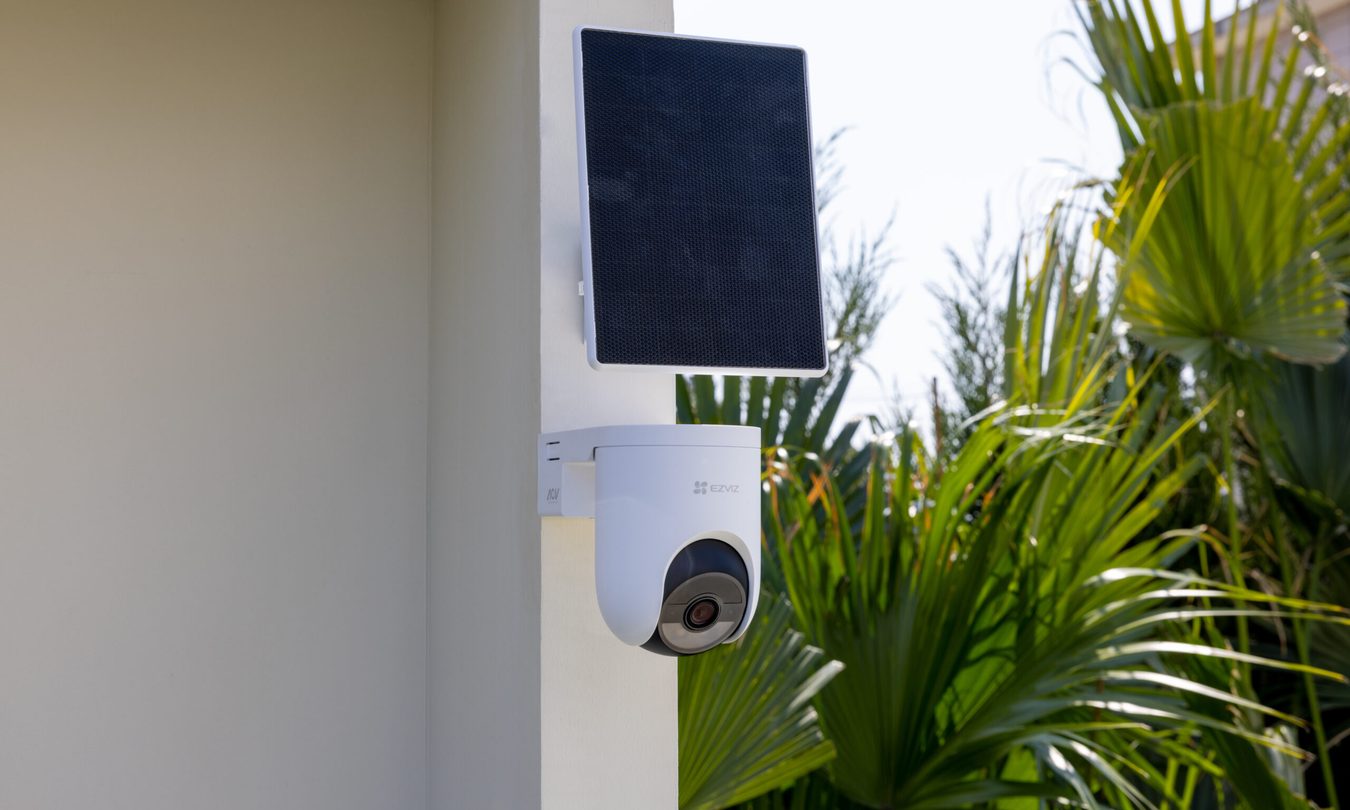
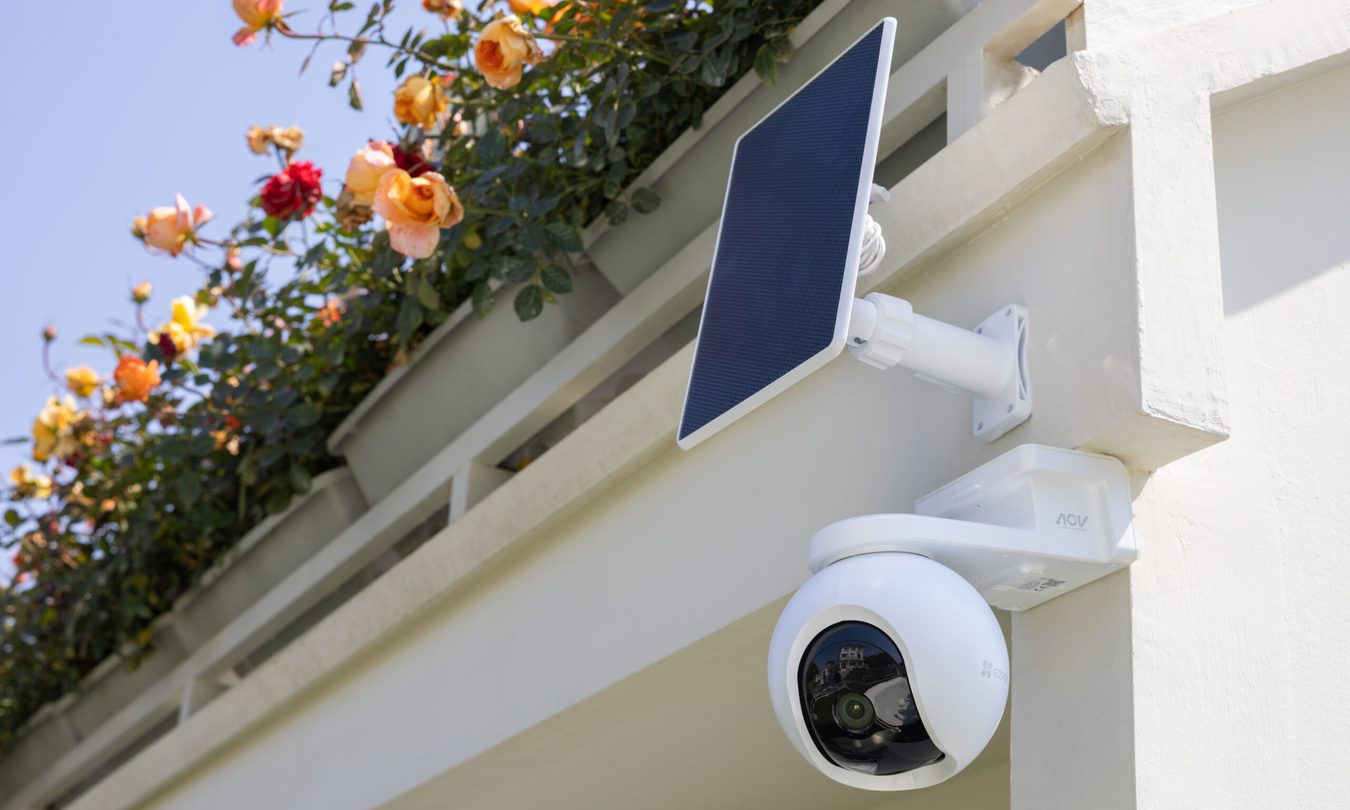
Coldwell Banker asked Americans what needs to exist in a home for them to consider it smart. Locks and alarm systems took the top spot in terms of responses given, with 63 percent of people providing this answer. A reliable security system, smoke detector, and carbon monoxide detector certainly fall into the category of a good investment in terms of safety and resale value. Some homebuyers even appreciate that they don’t have to install these systems themselves during the chaos surrounding the event of moving.
However, if you take home security to the extreme and install something like a panic room, bulletproof glass, secret passageways, or fog-releasing devices — all of which easily turn your security system into a $100,000 investment — you’re highly unlikely to get that money back during resale. Unless of course, you sell to one of the handful of people who want this kind of security.
Your lavish, yet unique tastes

Any renovation that’s tailored toward specific tastes may not bring in the big bucks come resale time. If you convert your garage into an ice skating rink, for instance, it’s likely a difficult process to find another buyer who wants to spend as much money on a personal skating rink. Most people would probably prefer a garage.
The same idea applies to wine cellars, computer rooms, libraries, and rooms with bright colors. Unless your house resides in an area where it’s common to see renovations like these or they find a way to bring in value, luxury rooms fall into the category of “avoid,” says the Buy Now . Also, if you convert a garage into a game room — and your house is the only one in the neighborhood missing a garage — it stands out as wildly different from the rest, and something likely to hold potential buyers back from even looking at it.