1. Home
  2. Computing
  3. Business
  4. News

Parts shortages in the PC market are set to drive up costs

Add as a preferred source on Google

There might be more budget PCs on the market than ever before, but in 2016 we saw overall prices go up and sales go down — a trend that’s unlikely to change in 2017.

Prices fluctuate for a number of reasons, but component shortages will reportedly play a key role in the overall price hikes we’re already starting to see. According to CIO, shortages of RAM, SSDs, batteries, and LCD panels have already started driving up manufacturing costs.

Recommended Videos

During an earnings call, Lenovo’s chief operating officer, Gianfranco Lanci, confirmed that prices would continue to rise for manufacturers, as sourcing components becomes more difficult and expensive. Those increased manufacturing costs are already trickling down to customers, particularly users in the market for individual components.

According to PC Part Picker, RAM prices have gone up significantly since last year. Average prices remained relatively consistent in 2016, dipping down to about $40 for 4GB in May, but as of January 2017, the average price of 4GB is around $65.

Luckily SSD prices have remained relatively consistent so far, with no major upward spikes, but according to Lanci, the price hikes are very likely to be coming soon.

Component shortages are driving costs up at a peculiar time for the PC industry. According to CIO, millennials and gamers are more willing than ever to buy expensive, high-end notebooks and desktops, even as the overall PC market continues to fall short of sales expectations.

According to CIO, Intel’s chip prices increased by about 7 percent in 2016, but the popularity of VR-capable PCs kept them flying off the shelves, despite the price hike.

So, not only are component shortages driving costs up for manufacturers and customers, but the overall PC buyer profile is changing. It’s a volatile time for the PC market, and it remains to be seen how that will affect marketing strategies and sales numbers going forward.

Still, it might be a good time to stock up on those SSDs.

Jaina Grey
Former Digital Trends Contributor
Jaina Grey is a Seattle-based journalist with over a decade of experience covering technology, coffee, gaming, and AI. Her…
OpenAI patches ChatGPT desktop after user backlash over its recent redesign
ChatGPT's desktop app gets synced history, projects, and a new Chat and Work mode switch
Man using ChatGPT on a laptop

ChatGPT's desktop app is getting a much-needed course correction. When OpenAI merged Chat, Work, and Codex into one unified desktop app roughly a week ago, the experience came with more issues than intended, burying basic features like chat history and making it awkward to switch between modes. Now OpenAI has rolled out a batch of fixes based on feedback to make the app feel consistent regardless of which device you use.

https://twitter.com/thsottiaux/status/2077928427936710901?s=46

Read more
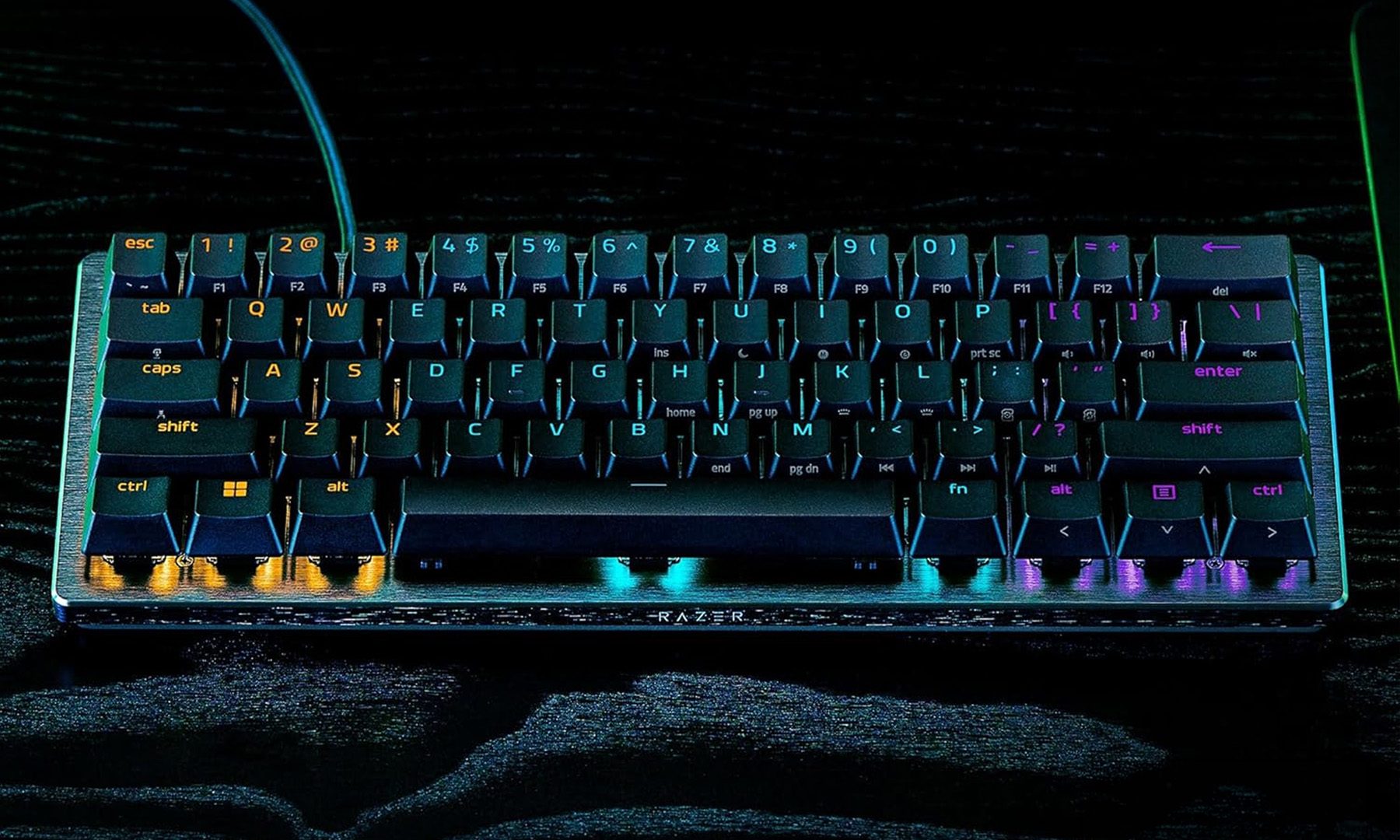
I found five mechanical keyboards I’d happily recommend for Back-to-School
The right mechanical keyboard makes every assignment, game, and study session feel a little more satisfying.
Computer, Computer Hardware, Computer Keyboard

Shopping for a mechanical keyboard is a little different from shopping for a laptop. Unlike flashy specs or benchmark numbers, the right keyboard is something that gets appreciated every single day. Whether it’s taking notes in class, writing essays, coding late into the night, or unwinding with a few games after lectures. After looking through dozens of options, I kept coming back to these five. They cover everything from budget-friendly beginner boards to enthusiast-grade keyboards and esports-focused gaming options. More importantly, they’re keyboards I’d actually recommend buying for the Back-to-School season.

AULA F75 Pro

Read more
HP fined millions of dollars for acting like a cartel over ink and PCs
HP helped rig bids for ink and computers. The bill is nearly $15 million
Computer Hardware, Electronics, Hardware

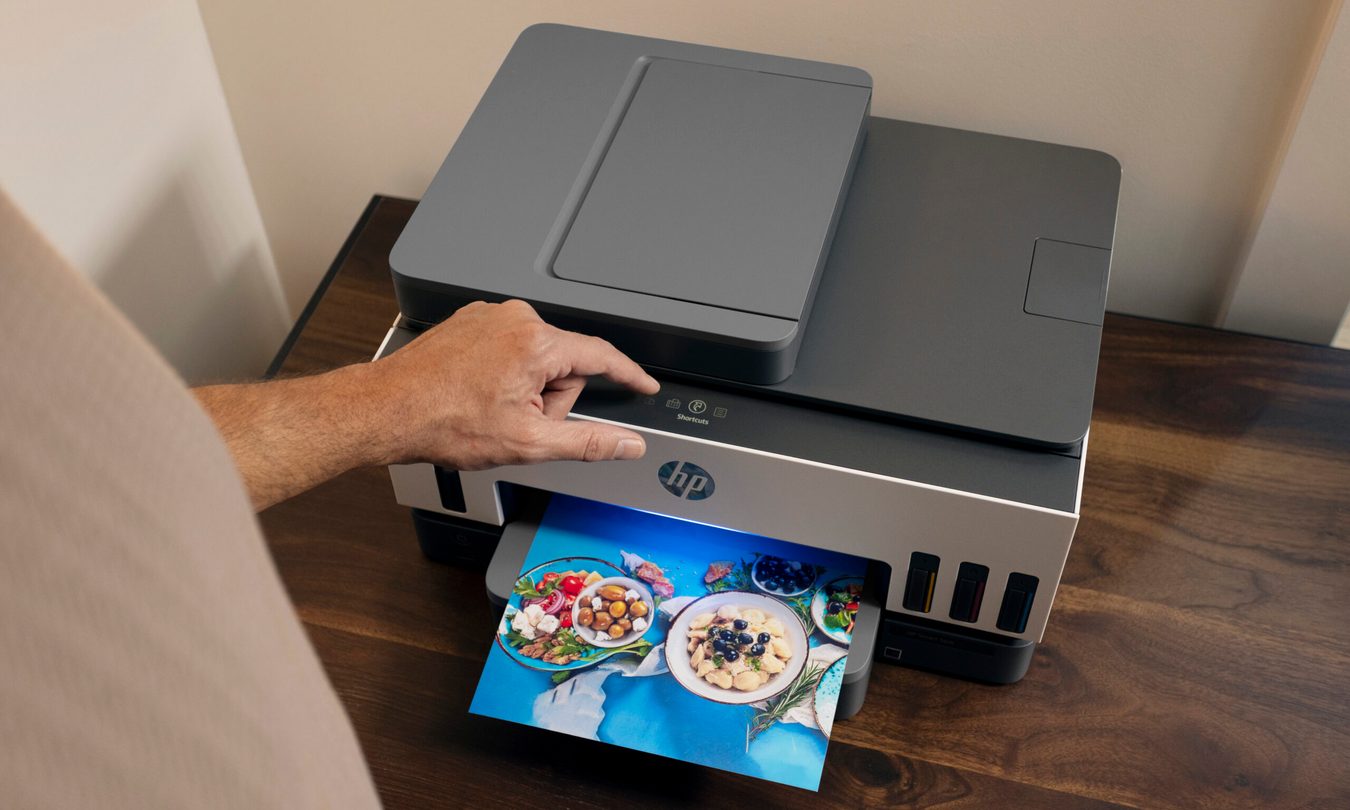
If you've ever purchased printer ink, you're aware of the annoyingly expensive cost behind something that seems so basic. But HP's latest problem goes considerably further. India’s Competition Commission has fined HP India and 21 of its resellers a combined 1.42 billion rupees, or roughly $15 million, after finding that they rigged bids for government contracts involving personal computers, toner, cartridges, and other printer supplies. The orders cover tenders placed through the Government e-Marketplace between 2017 and 2020.

HP allegedly decided who got to compete

Read more