1. Home
  2. Phones
  3. Mobile
  4. Smart Home
  5. News

Kobo enters the ebook buffet arena with Kobo Plus, but there’s a catch

Add as a preferred source on Google

Ebook subscription services are not particularly new — Amazon launched its Kindle Unlimited service in 2014 while Scribd has been mainly known as an ebook subscription service since 2013. Now that such services have become somewhat of a trend, Kobo thought it was time to throw its hat into the arena with Kobo Plus.

Similar to the aforementioned competitors, Kobo Plus is an ebook subscription service that lets you read over 40,000 titles — 10,000 are in Dutch — for 10 euros (around $10.50). The available titles include new releases and bestsellers, as well as more older titles, though it might be best to look over the list and make sure there are books that appeal to you.

Recommended Videos

In terms of revenue, Kobo said it worked with “leading Dutch publishers” to develop a fair-share model that doles out payments funded by the subscription revenues. The company did not say what slice of the pie these publishers receive, but Kobo insists the payment model allows Kobo Plus to stand on its own two feet for the long term.

As has been hinted at, however, there is one big catch with Kobo Plus — it is currently only available in Belgium and the Netherlands. According to Kobo, this is because the company has seen large growth in the two countries, to the point where one in seven non-fiction books sold in the Netherlands is digital. Furthermore, Kobo has sold 1.2 million of its ebook readers in the Netherlands, which means that roughly 1 in 16 people in the country own a Kobo-branded ebook reader.

Kobo Plus is now available in the two launch countries, though Kobo did not say whether the service will cross borders into other countries. Similar to Kindle Unlimited and Scribd, you can try Kobo Plus free of charge for 30 days, after which you will need to decide whether the service is for you.

Williams Pelegrin
Williams is an avid New York Yankees fan, speaks Spanish, resides in Colorado, and has an affinity for Frosted Flakes. Send…
Samsung finally switched to silicon-carbon battery on Galaxy Z Fold 8. What’s so special about it?
One of Galaxy Z Fold 8’s biggest upgrade is hiding inside
Galaxy Z Fold 8 Ultra with Fold 8

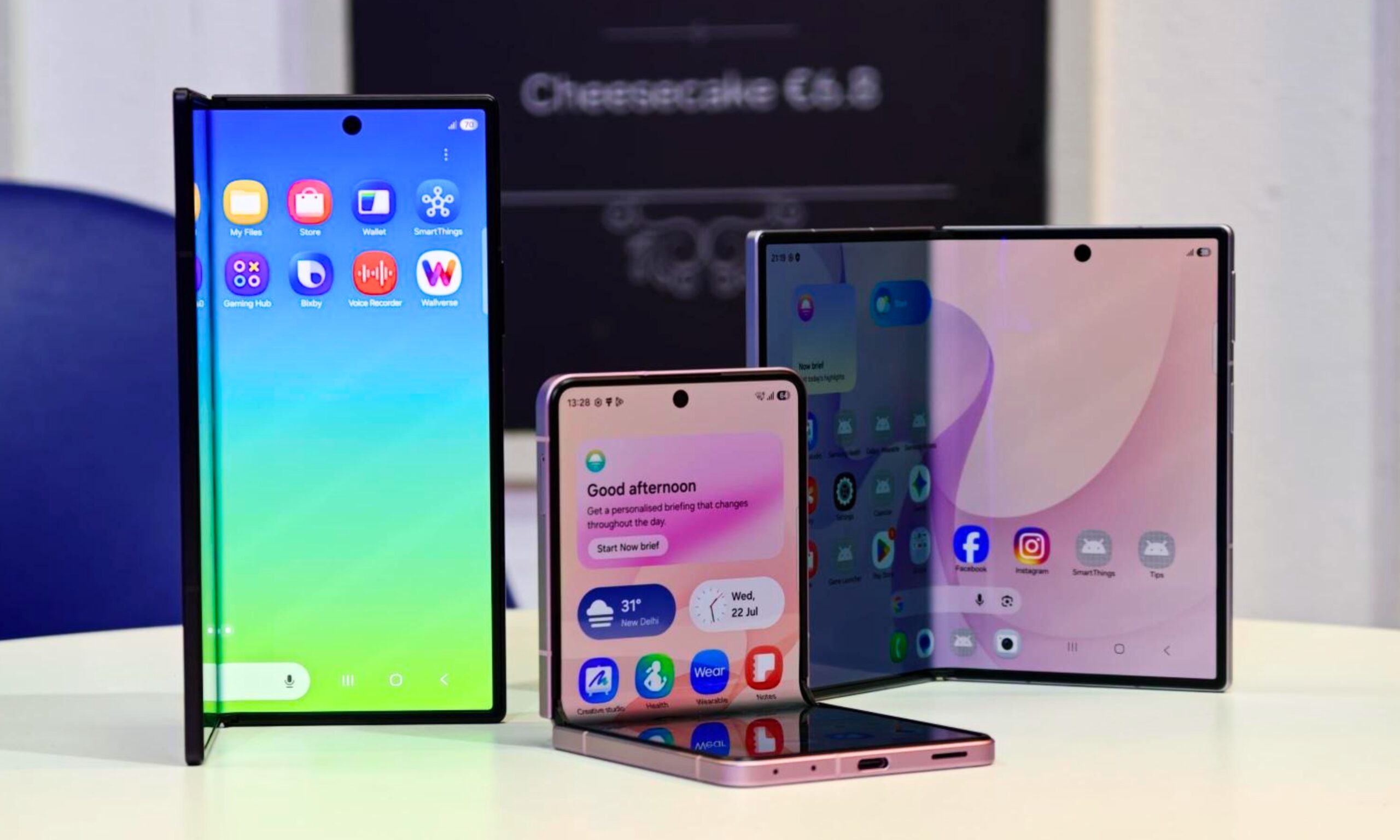
Samsung has finally joined the silicon-carbon battery race with its latest batch of premium foldables packing the new battery tech. But details for this change were rather hard to spot on the spec sheets. The company has confirmed during media briefings that the Galaxy Z Fold 8 Ultra, Galaxy Z Fold 8, and Galaxy Z Flip 8 all use silicon-carbon batteries.

Even then, the resulting capacities are hardly record-breaking. The Fold 8 Ultra carries a 5,000mAh battery, the regular Fold 8 gets 4,800mAh, and the Flip 8 has 4,300mAh. Rivals from Honor and Motorola have already crossed the 6,000mAh mark. But the figures only tell part of the story.

Read more
I’ve used foldable phones for years. Here’s how to pick the right one between the Galaxy Z Fold 8 and Flip 8
Samsung’s three new foldables solve very different problems
Galaxy foldables with its screen visible

After years of reviewing foldable smartphones, I have learned that choosing one involves much more than what looks pretty or how large you want. Book-style foldables are usually sold as productivity machines, while flip phones cater to people who value portability. Samsung’s latest lineup complicates that choice by introducing two very different book-style models alongside its familiar clamshell.

Most of their shared specifications fade into the background once you start using them. Their shapes and screens have a much greater impact on daily life. So here's how I'd make a decision when choosing between the new Galaxy Z Fold 8 Ultra, Galaxy Z Fold 8, and Galaxy Z Flip 8.

Read more
How to set up selfie video sign-in for your Google account
Your face can now serve as a way to get back into your Google account. Here's how to set it up.
Google account selfie sign in tutorial featured

Losing access to a Google account is rarely a quick fix, but Google has been actively working to make things easier. Last year, the company introduced a feature called Recovery Contacts that lets you designate a trusted friend or family member to verify your identity if you ever get locked out. Now, Google has introduced a new option, one that uses your face to get you back in instead of a phone call to a friend.

Like Recovery Contacts, the new selfie video authentication feature requires some setup before you can use your face to sign into your Google account. This involves recording the reference video that Google will use to verify your identity whenever you attempt to log in this way. Here's how to set up selfie video sign-in for your Google account.

Read more