1. Home
  2. Phones
  3. Mobile
  4. News

Mastercard to bring Qkr! payments app to the U.S. and five other countries

Add as a preferred source on Google
MWC 2026
Read our complete coverage of Mobile World Congress

Mastercard’s mobile payment service Qkr! is coming to the U.S. as well as a handful of other countries, and the company’s new partnership with Oracle will help make the experience even more simple.

Qkr! is an iOS and Android app that uses Masterpass, Mastercard’s digital payment service, to allow users to pay at select restaurants, cinemas, schools, and more. It’s not a tap-and-pay service like Apple Pay and Android Pay, and it requires the merchant to enable the service.

Recommended Videos

The collaboration between Mastercard and Oracle, which offers software services for a lot of institutions, will allow for simpler transactions on the merchant side, while preventing the need for vendors to build two separate payment solutions for in-store and online operations with Mastercard Payment Gateway Services.

“Oracle has the ability to bring this offering of Qkr! already integrated into their offering to the hundreds of thousands of merchants they have within their platform,” Kiki Del Valle, senior vice president at Mastercard, told Digital Trends.

Qkr! will launch in Brazil, Canada, Ireland, Singapore, South Africa, and the U.S. over the course of the year, where customers will be able to pay for supplies and fees at schools, make payments at gas stations, parking lots, stadiums, vending machines, and more.

Mastercard and Oracle are working with partners such as Carluccio’s Wagamama, Young & Co.’s Brewery, and Geronimo Pubs to let customers order additional items during meals, pay at the table, and split the bill.

“It’s about being able to drive a smart engagement that can help streamline some of the tasks that servers or associates at a restaurant may have and help expedite the service in the way the consumers want to engage with any particular brand,” Del Valle said.

Qkr! accepts all major credit and debit cards, and consumers can register more than one card.

Julian Chokkattu
Former Mobile and Wearables Editor
Julian is the mobile and wearables editor at Digital Trends, covering smartphones, fitness trackers, smartwatches, and more…
The Minimal Phone 2 looks dramatically better than the original, and I’m genuinely here for it
Plastic is out, metal is in, and Minimal Phone 2's renders suggest the digital detox phone concept finally has the hardware to match its ambition.
Electronics, Mobile Phone, Phone

I've been following the Minimal Phone since its initial crowdfunding days. The first iteration had the right idea trapped inside the wrong body, I’d say. Plastic build, no 5G, an underwhelming camera, and e-paper ghosting that frustrated early adopters; all these issues kept the phone from reaching a wider audience. 

Now, founder Armen Youssefian has posted what appears to be a 360-degree render of the Minimal Phone 2 on X, and from what I can see, the team has done its homework.

Read more
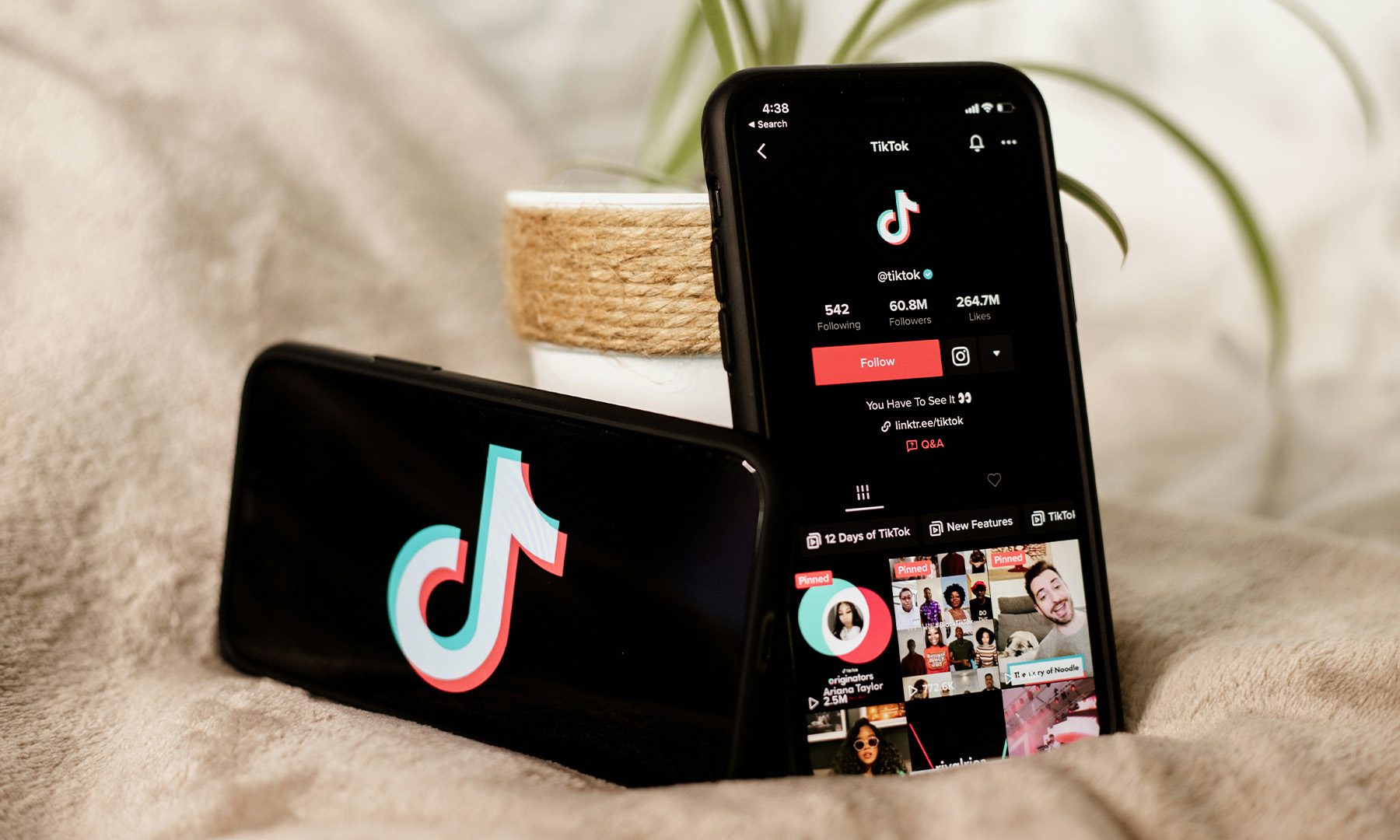
The EU says TikTok still isn’t doing enough to protect kids
Regulators say the platform's privacy settings don't go far enough under the Digital Services Act.
TikTok Creative Featured

The European Commission has accused TikTok of falling short on protecting minors, saying the platform's current account settings don't meet the child safety standards required under the Digital Services Act (DSA). The findings are preliminary, but if upheld, TikTok could face a fine of up to 6% of its global annual revenue.

Why the EU thinks TikTok isn't doing enough

Read more
Qualcomm is set to ratchet up chip prices in September, and your next gadget upgrade could bear the brunt
The price hike could touch every Snapdragon-powered device category.
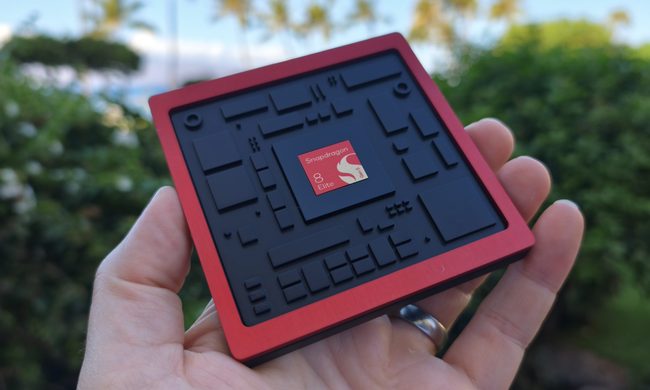
The new Qualcomm Snadragon 8 Elite Gen 5

I want you to sit with this for a second. Qualcomm, the company whose Snapdragon chips sit inside your Android phone and tablet, your Windows laptop, your Meta smart glasses, your Galaxy Watch, and your wireless earbuds, reportedly sent a letter to every major customer telling them prices are going up by double digits. 

The price hike will be in effect from September 1, 2026, a recent Bloomberg report claims. Essentially, all the companies placing their chip orders after that will pay a higher price. 

Read more