1. Home
  2. Emerging Tech
  3. Health & Fitness
  4. News

Nanoengineers develop first biocompatible, 3D-printed blood vessel networks

Add as a preferred source on Google

3D-printed organs are a biopunk’s dream and which may soon come true thanks to researchers from the University of California, San Diego.

Led by Shaochen Chen, the team of nanoengineers developed a new method for 3D printing biomimetic blood vessel networks, which may help lay the foundation for functioning lab-grown tissue and organs.

Recommended Videos

Artificial blood vessel networks — which help transport nutrients, blood, and waste — have been 3D printed by other researcher labs in the past, though these methods have proven to be time-consuming and expensive. In his research, Chen sought to make the process faster and cheaper and to develop a network sophisticated enough to be integrated with the human body.

“We used hydrogel biomaterials that are biocompatible for potential clinical uses,” he told Digital Trends.

To make the vessels more efficiently, Chen and his team used multiple cell types and a new 3D-printing method they developed themselves.

Their first steps were to develop a 3D model of the blood vessel network on a computer, which then converts the model into a series of 2D images and transfers these images to millions of microscopic mirrors. The mirrors use ultraviolet (UV) light to reflect the images onto a mixture of live cells and polymers that solidify upon contact with the UV light. As the 2D images are solidified, one after another, the 3D structure begins to take shape.

While traditional techniques may take hours to complete, the UC San Diego lab can complete the task in just a few seconds, according to the researchers, who published a paper detailing their study in the journal Biomaterials.

So far, the researchers have been able to graft the 3D-printed tissue into the skin wounds of mice. After two weeks, they analyzed the wounds again and saw that the lab-grown tissue had successfully integrated into the host’s blood vessel network.

A startup called Allegro 3D is working to commercialize this technique, while Chen and his team are looking to optimize the conditions for growing fully functioning blood vessel networks for clinical applications.

Dyllan Furness
Former Contributor
Dyllan Furness is a freelance writer from Florida. He covers strange science and emerging tech for Digital Trends, focusing…
Yet another study says AI is bad for elections, and the rabbit hole gets worse
AI may be an election bomb waiting for someone to light the fuse
Voters cast their ballots on Election Day

Another election, another study has concluded that asking an AI chatbot for political guidance is a spectacularly bad idea. Research conducted during Hungary’s 2026 parliamentary election found that ChatGPT and Google Gemini offered not just inaccurate but also inconsistent and unreliable voting advice. The chatbots misclassified voter profiles, overlooked relevant parties, recommended parties absent from the ballot, and sometimes produced materially different answers when given the same information repeatedly.

AI keeps failing the voter test

Read more
Samsung’s humanoid robot ambitions are real, but factories come first
Samsung’s new robotics division has humanoids in its sights, although its immediate business is far more practical factory automation
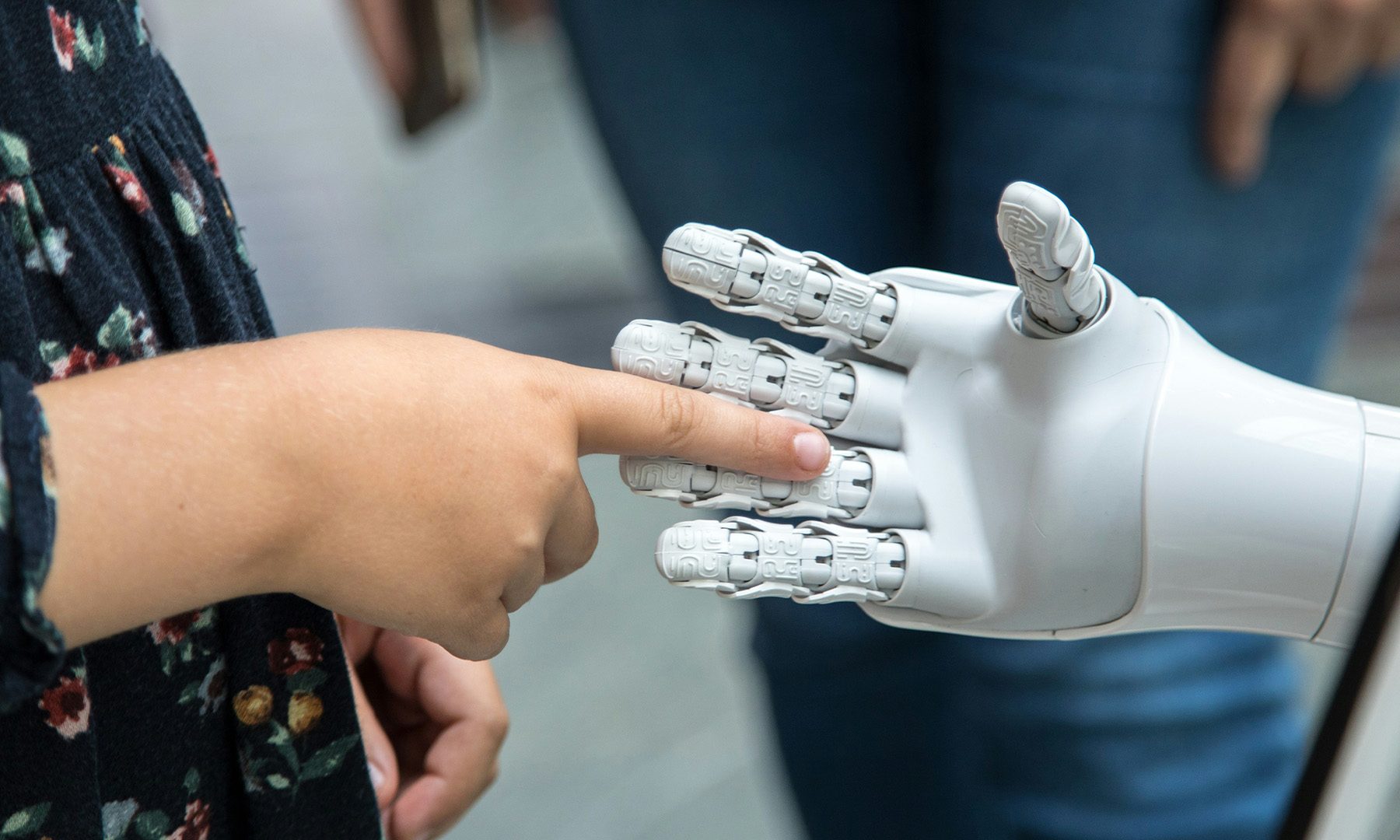
Robot Touch Human Finger

Samsung wants a place in the humanoid race, but its new robotics push begins with machines built for factories rather than homes.

The CEO-led RX robotics division will initially focus on manufacturing robots. Samsung has separately identified humanoids as a priority, although it hasn’t announced a commercial model or explained where one fits into the division’s immediate plans.

Read more
The future of AI may depend on this one behind-the-scenes change
Running Claude on Android.

Whenever a new AI model arrives, it's easy to get caught up in the bells and whistles. We talk about how much smarter it is, how quickly it answers questions, or how realistic its images have become. But here's the thing: none of that matters much if the AI can't reliably work with the apps and services people use every day.

That's why an upcoming update to the Model Context Protocol (MCP) caught my attention. It isn't a new chatbot or a fancy AI model. In fact, most people will never even know it's happening. But it could quietly make the AI ecosystem a lot healthier. If you've never heard of MCP before, don't worry. Think of it as a shared language that lets AI assistants safely talk to apps like Gmail, Slack, calendars, databases, and countless other services. Instead of every company inventing its own way to make those connections, MCP gives everyone a common rulebook.

Read more