1. Home
  2. Emerging Tech
  3. Health & Fitness
  4. News

Young blood: Scientists say this protein could be key to reversing aging process

Add as a preferred source on Google

The suggestion that young blood may be the key to reversing some of the negative aspects of aging sounds like the setup to a horror movie. In reality, however, it refers to some groundbreaking work being carried out by scientists at the University of Ulm in Germany.

They’ve been examining the ways that old blood can be made young again, and they hypothesize that it might help fight some of the effects of aging. To achieve this, they’ve discovered a protein capable of boosting blood stem cells, which prompts them to act like the stem cells of younger people.

Recommended Videos

“Older stem cells have several disadvantages,” Dr. Hartmut Geiger, co-author of a paper describing the work, told Digital Trends. “They result in fewer red blood cells, and fewer of an important immune cell that fights infection. They also tend to produce more leukemia, which is a cancer of the blood. All of this is linked, at least in part, to the aging of stem cells. If you have younger stem cells, we think that we can reverse some of these effects.”

Older stem cells tend to possess these negative characteristics thanks to the declining number of so-called “mother” stem cells in our bone marrow as we age. This decline triggers the effects Geiger describes.

In trials with mice, Geiger and his team discovered that older mice have lower levels of a protein called osteopontin. They decided to test the effect of this protein on blood stem cells.

“We took the stem cells from aged mice, incubated them with the osteopontin protein, and then gave them back,” he continued. “These blood stem cells, which had come from older animals, were found to have a lot of the features of stem cells coming from much younger animals in terms of function.”

It’s still early days for the research, but the suggestion that osteopontin could make stem cells behave in a more youthful way is certainly promising. The team is now developing a drug made up of osteopontin and a protein for activating it.

Hopefully human trials can follow in the not-too-distant future — while we’re still around to benefit from them.

Luke Dormehl
I'm a UK-based tech writer covering Cool Tech at Digital Trends. I've also written for Fast Company, Wired, the Guardian…
You can now buy a computer mouse controlled entirely by your tongue
Augmental has opened public sales of the MouthPad, and introduced a new wearable that lets you type hands-free.
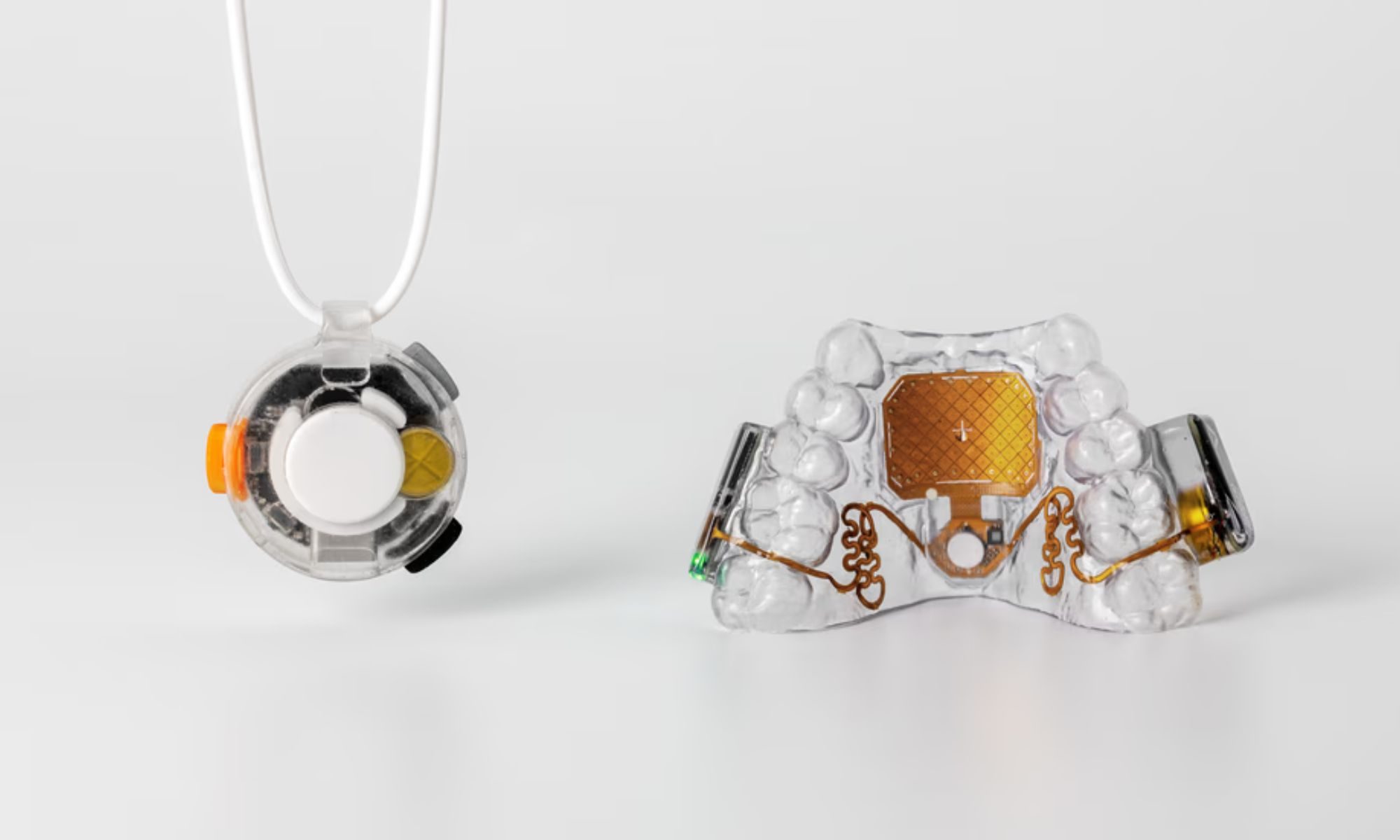
Augmental MouthPad and Vox featured

Augmental first showed off its tongue-controlled MouthPad as a CES curiosity in 2024. Today, the device is a real product you can buy, with the company opening public US sales alongside a beta release of Vox, a companion wearable built to handle the typing half of Augmental's hands-free computing promise.

A retainer that doubles as a mouse

Read more
Yet another study says AI is bad for elections, and the rabbit hole gets worse
AI may be an election bomb waiting for someone to light the fuse
Voters cast their ballots on Election Day

Another election, another study has concluded that asking an AI chatbot for political guidance is a spectacularly bad idea. Research conducted during Hungary’s 2026 parliamentary election found that ChatGPT and Google Gemini offered not just inaccurate but also inconsistent and unreliable voting advice. The chatbots misclassified voter profiles, overlooked relevant parties, recommended parties absent from the ballot, and sometimes produced materially different answers when given the same information repeatedly.

AI keeps failing the voter test

Read more
Samsung’s humanoid robot ambitions are real, but factories come first
Samsung’s new robotics division has humanoids in its sights, although its immediate business is far more practical factory automation
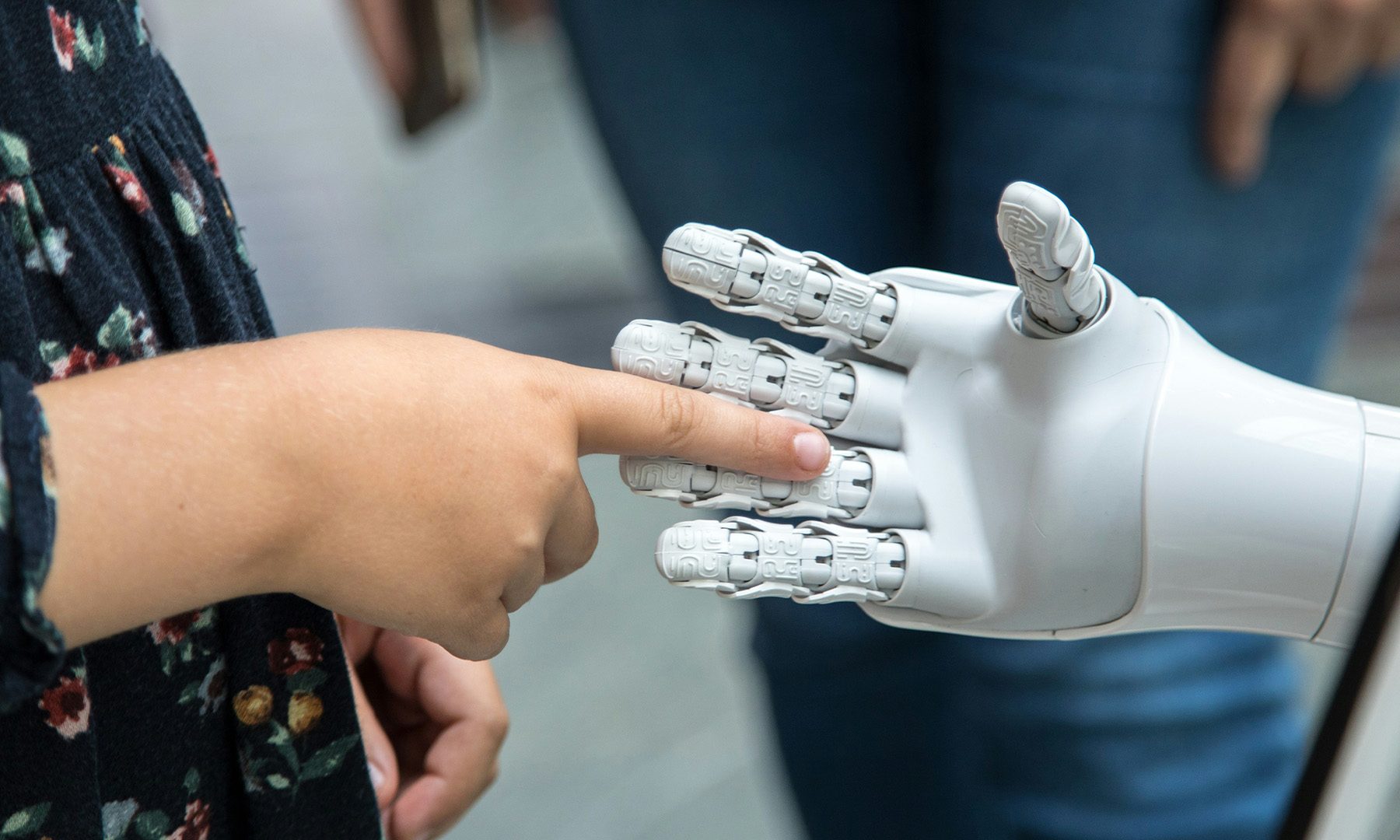
Robot Touch Human Finger

Samsung wants a place in the humanoid race, but its new robotics push begins with machines built for factories rather than homes.

The CEO-led RX robotics division will initially focus on manufacturing robots. Samsung has separately identified humanoids as a priority, although it hasn’t announced a commercial model or explained where one fits into the division’s immediate plans.

Read more