1. Home
  2. Phones
  3. Android
  4. Mobile
  5. News

Moto Z Power Pack battery mod won’t debut until later this spring

Add as a preferred source on Google

Motorola revealed a series of upcoming and concept Moto Mods at Mobile World Congress back in February. Among them was one called the Power Pack, an extra battery similar to Incipio’s Offgrid mod that provided up to 50 percent more juice to the device. The Power Pack was billed as a smart external power source that only charged the phone when it was most efficient to do so.

Motorola said it planned to release the mod in March, but the month came and went without a whisper. Now it appears the accessory has been delayed to “later this spring,” according to Phandroid, who got word of the revised launch from a representative from the company.

Recommended Videos

Among the mods intended for production revealed at MWC were a wireless charging back and a gamepad housing that gave the Moto Z controller inputs on either side, similar in form to the Nintendo Switch. Motorola was also working on a cable to charge mods when they weren’t connected to the device. All of these are still awaiting release.

There’s also the Transform the Smartphone Challenge, which is supposedly in its final stage now as developer pitch their campaigns at Motorola’s Chicago headquarters. The company has pledged to promote and distribute selected designs on its own website, and Lenovo has reportedly set aside $1 million to bring the best mods to the market.

Among these proposals are a multi-color lighting system for notifications, several mods that turn the Moto Z into a walkie-talkie (appropriate, considering the company helped invent them), and a wallet fashioned out of steel and carbon fiber that also includes a small external battery.

As for Motorola’s own mods, it appears we’ll have to wait a little bit longer until we see them hit the shelves. The most recently launched mods were Incipio’s Vehicle Dock and Mophie’s Juice Pack, which released back in December.

Adam Ismail
Former Contributor
Adam’s obsession with tech began at a young age, with a Sega Dreamcast – and he’s been hooked ever since. Previously…
The Minimal Phone 2 looks dramatically better than the original, and I’m genuinely here for it
Plastic is out, metal is in, and Minimal Phone 2's renders suggest the digital detox phone concept finally has the hardware to match its ambition.
Electronics, Mobile Phone, Phone

I've been following the Minimal Phone since its initial crowdfunding days. The first iteration had the right idea trapped inside the wrong body, I’d say. Plastic build, no 5G, an underwhelming camera, and e-paper ghosting that frustrated early adopters; all these issues kept the phone from reaching a wider audience. 

Now, founder Armen Youssefian has posted what appears to be a 360-degree render of the Minimal Phone 2 on X, and from what I can see, the team has done its homework.

Read more
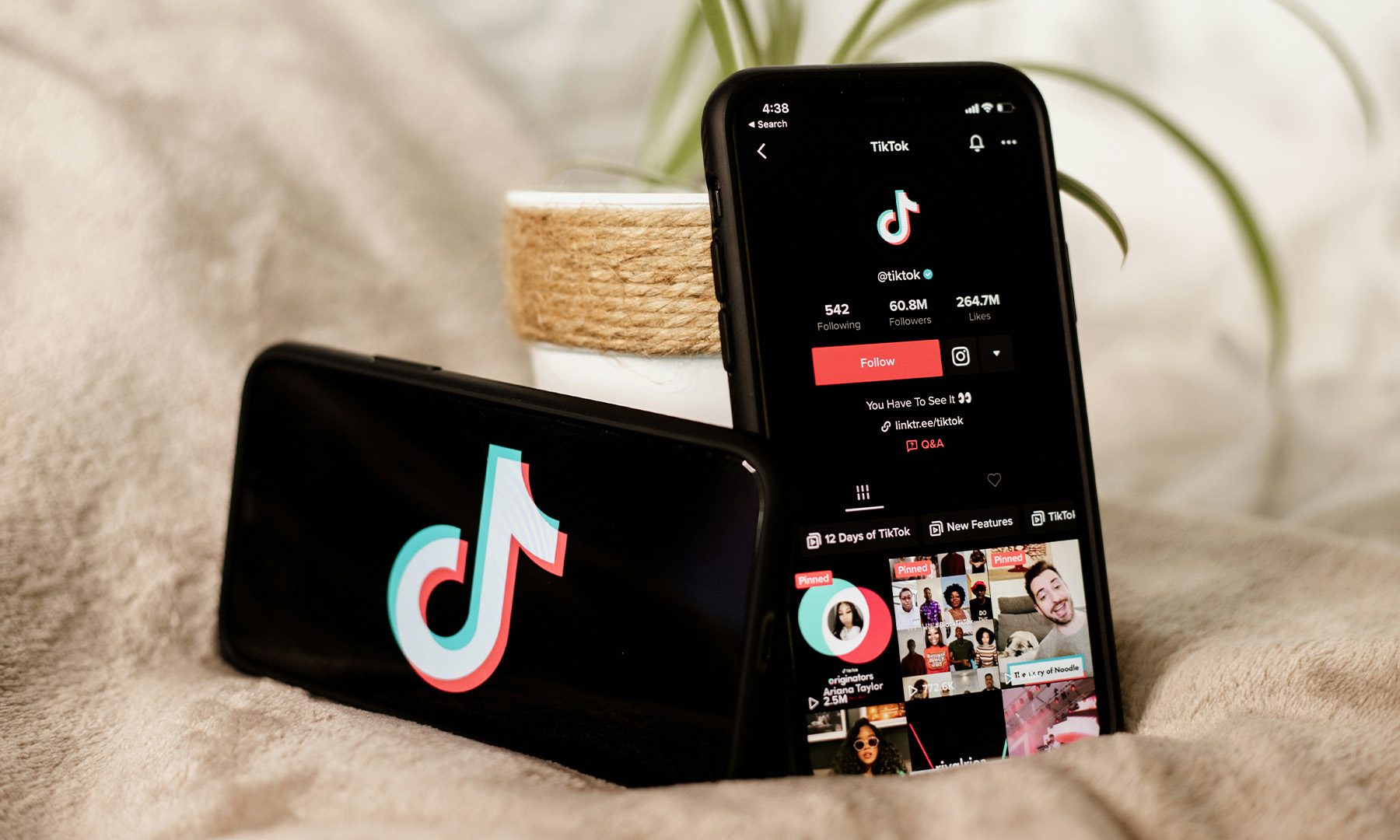
The EU says TikTok still isn’t doing enough to protect kids
Regulators say the platform's privacy settings don't go far enough under the Digital Services Act.
TikTok Creative Featured

The European Commission has accused TikTok of falling short on protecting minors, saying the platform's current account settings don't meet the child safety standards required under the Digital Services Act (DSA). The findings are preliminary, but if upheld, TikTok could face a fine of up to 6% of its global annual revenue.

Why the EU thinks TikTok isn't doing enough

Read more
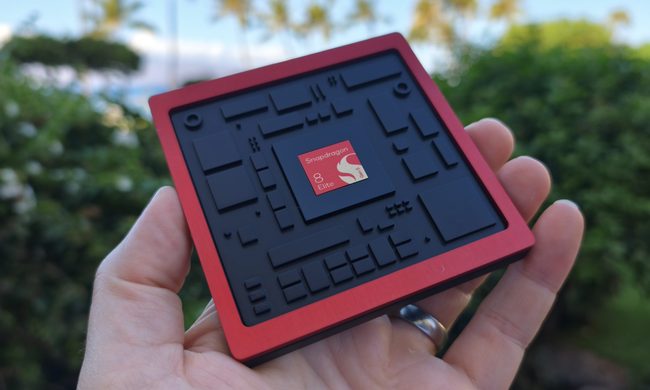
Qualcomm is set to ratchet up chip prices in September, and your next gadget upgrade could bear the brunt
The price hike could touch every Snapdragon-powered device category.
The new Qualcomm Snadragon 8 Elite Gen 5

I want you to sit with this for a second. Qualcomm, the company whose Snapdragon chips sit inside your Android phone and tablet, your Windows laptop, your Meta smart glasses, your Galaxy Watch, and your wireless earbuds, reportedly sent a letter to every major customer telling them prices are going up by double digits. 

The price hike will be in effect from September 1, 2026, a recent Bloomberg report claims. Essentially, all the companies placing their chip orders after that will pay a higher price. 

Read more