1. Home
  2. Phones
  3. Mobile
  4. News

Researchers develop master fingerprints that can break into smartphones

Add as a preferred source on Google

The story goes that no two fingerprints are exactly alike, which makes them an excellent method for authentication. However, as researchers at New York University and Michigan State University have recently found, they’re hardly foolproof.

The team has developed a set of fake fingerprints that are digital composites of common features found in many people’s fingerprints. Through computer simulations, they were able to achieve matches 65 percent of the time, though they estimate the scheme would be less successful in real life, on an actual phone.

Recommended Videos

Nasir Memon, a computer science and engineering professor at New York University, explained the value of the study to The New York Times. Modern smartphones, tablets, and other computing devices that utilize biometric authentication typically only take a snapshots of sections of a user’s finger, to compose a model of one fingerprint. But the chances of faking your way into someone else’s phone are much higher if there are multiple fingerprints recorded on that device.

“It’s as if you have 30 passwords and the attacker only has to match one,” Memon said. The professor, who was one of three authors on the study, theorized that if it were possible to create a glove with five different composite fingerprints, the attacker would likely be successful with about half of their attempts. For the record, Apple reported to the Times that the chance of a false match through the iPhone’s TouchID system is 1 in 50,000 with only one fingerprint recorded.

Although Memon’s team’s findings may not pose a significant, immediate risk, they are the reason why tech companies aren’t satisfied with the status quo. Stephanie Schuckers, a Clarkson University professor, noted that the latest, most advanced systems attempt to detect the presence of a real person through methods like ultrasound and perspiration sensitivity. There are also newer methods of biometric authentication, like iris scanning and facial recognition, which are both featured on Samsung’s new Galaxy S8.

Ultimately, Memon said this didn’t damage his faith in using fingerprints for security too much, although he suggested phone makers consider forcing customers to use a PIN or password after the device is left idle for an hour.

Adam Ismail
Former Contributor
Adam’s obsession with tech began at a young age, with a Sega Dreamcast – and he’s been hooked ever since. Previously…
Google can’t catch a break as the Pixel 11 Pro leaks once again
Electronics, Mobile Phone, Phone

Google's Made by Google 2026 event is just around the corner, but at this point, it feels like the company has very little left to surprise us with.

The latest leak brings what appear to be official marketing renders of the Pixel 11 Pro and Pixel 11 Pro XL, offering perhaps the clearest look yet at Google's upcoming flagship phones. Shared by well-known leaker Evan Blass, the images don't just show off the hardware — they also hint at camera upgrades, AI features, and the next-generation Tensor chip powering everything under the hood. While none of the images reveal anything dramatically unexpected, they do suggest Google is paying attention to one design complaint Pixel fans have had for years.

Read more
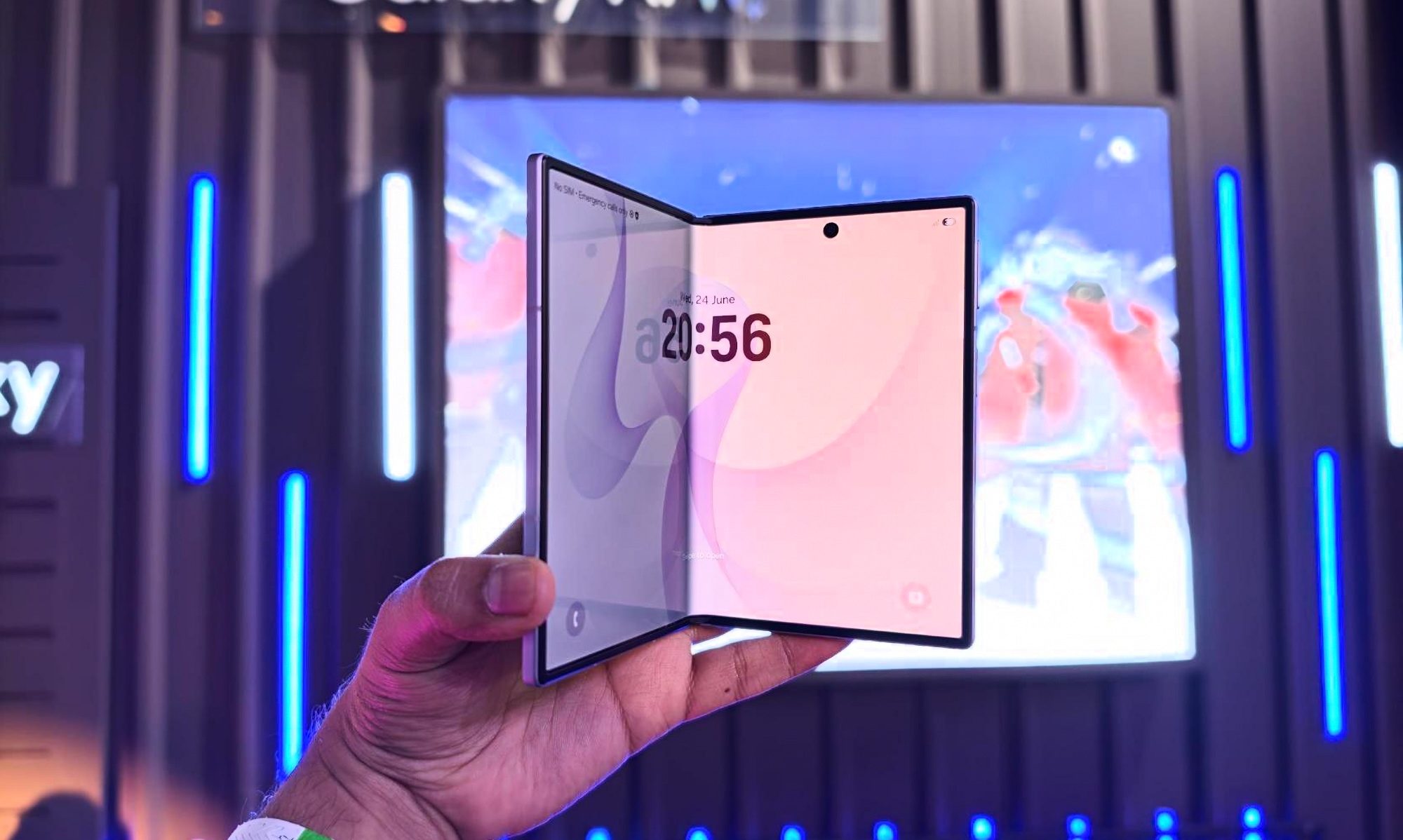
Samsung’s risky move with the Galaxy Z Fold 8 is paying off threefold
Samsung’s passport-shaped Fold is leaving last year’s bestseller in the dust
Samsung Galaxy Z Fold 8 Inside Screen View

For a brand that's stuck to safer updates for most of its annual updates, Samsung’s odd new passport-shaped foldable was a surprisingly risky move--and it seems like that gamble is paying off. Early demand suggests the company may have underestimated just how many buyers wanted something different.

According to a BusinessPost report, the Galaxy Z Fold 8 is selling at roughly three times the pace of the Galaxy Z Fold 7 during the comparable early sales period. Demand has reportedly caught Samsung off guard, leaving the company working to increase production and get more units into stores.

Read more
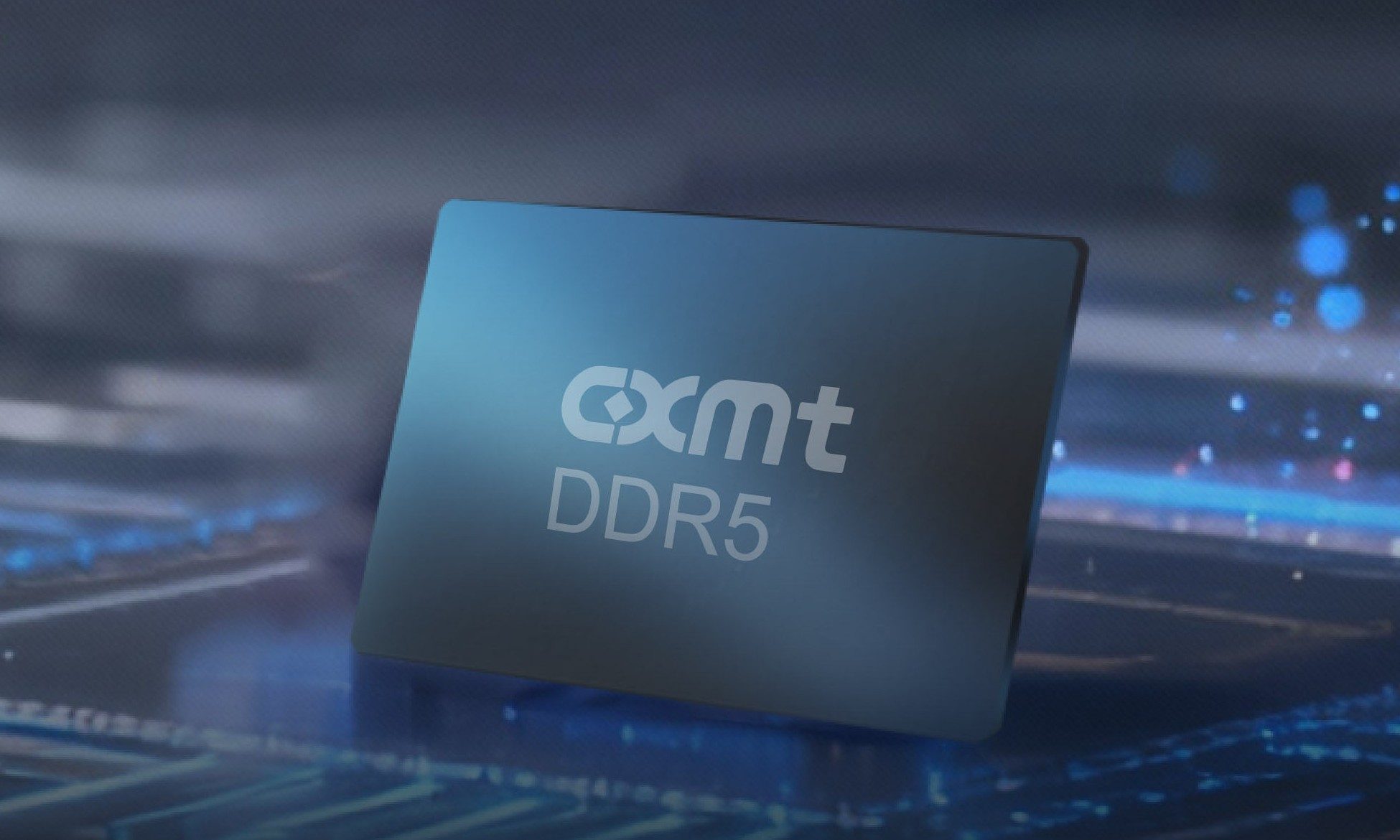
China’s latest LPDDR6 memory breakthrough could be good news for phone buyers
China’s CXMT moves closer to producing cutting-edge smartphone RAM
Electronics, Hardware, Computer Hardware

China’s largest homegrown DRAM manufacturer is getting close to producing the memory that could power the next generation of flagship phones, and the timing could hardly be better for buyers.

According to China Business News, ChangXin Memory Technologies, better known as CXMT, has nearly completed R&D verification for LPDDR6. This is one of the final major technical stages before small-scale trial production, and the company could begin mass production during the second half of this year. Its current design reportedly reaches speeds of up to 12.8Gbps.

Read more