1. Home
  2. Phones
  3. Mobile
  4. News

Google Voice now filters out unwanted calls, thanks to update

Add as a preferred source on Google

The major update that hit Google Voice back in January was mostly aesthetic, as it brought the app up to date with the company’s Material Design standard, but didn’t add much in the way of new features. Many of those faithful to the long-running call forwarding service were just excited to see it get any attention from Google at all, after being largely ignored for a number of years. Fortunately, Google is keeping the updates coming with the announcement of improved spam filtering for Voice users.

Last summer, Google took the initiative of adding anti-spam features to Nexus, Pixel, and Android One phones, allowing your device to warn you if you were receiving a ring from a “suspected spam caller.” Now, Google Voice is receiving the same functionality.

Recommended Videos

These measures have resulted in twice as many caught spammers, 20 percent fewer spam reports from customers, and 40 percent more calls correctly identified as spam, according to Google. The steps to enable spam filtering in Voice have been laid out on the company’s support site.

Previously, many of Voice’s features were added, over time, to Hangouts. Hangouts began as a messaging and internet-based calling app designed for regular users, but in recent months Google has decided to re-purpose it for enterprise customers. As a result, the app has dropped longstanding features like SMS support, and Google is propping up Voice to be its replacement for calling features — several years after it replaced Voice.

All the features that made Voice groundbreaking back when it launched more than seven long years ago are still on board, such as the ability to text from the same number from any device, including your computer; voicemail transcription, and call recording. That last one in particular is still shockingly absent as a stock feature on smartphones, and Google’s app remains one of the only free and convenient ways to do it.

Adam Ismail
Former Contributor
Adam’s obsession with tech began at a young age, with a Sega Dreamcast – and he’s been hooked ever since. Previously…
Samsung stirred the wide foldable race, but I’m more excited for an upcoming exotic rival
Samsung went bold and wide, but Xiaomi's rumored Mix Fold 5 has my attention
Computer, Electronics, Tablet Computer

Samsung’s Galaxy Z Fold 8 brought a major redesign to the company's foldable lineup. We now have a shorter, almost passport-like body that opens into a 7.6-inch display with a more media-friendly 4:3 aspect ratio. This feels like a more natural fit than Samsung's squarer last-gen foldables. It also has a more portable 201 grams heft and a decent 4,800mAh battery capacity.

All of this makes it one of Samsung's most interesting foldables yet. However, an upcoming Xiaomi device may take the same wide-screen formula and blend it with a Chinese phone's typical madness.

Read more
Apple could cut off app access on financed iPhones over missed payments
Code spotted in the iOS 27 beta points to a system that could restrict most apps until an overdue payment is resolved.
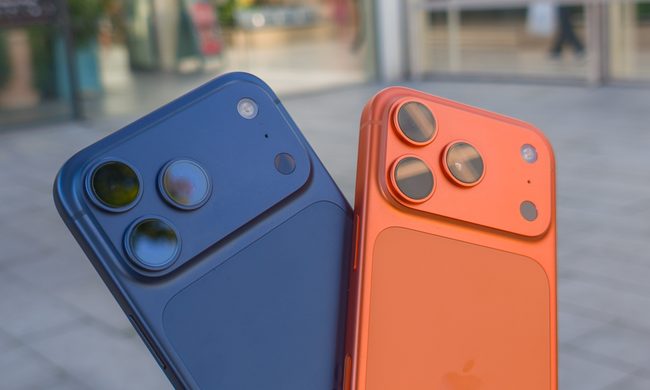
Apple iPhone 17 Pro in Cosmic Orange next to the iPhone 17 Pro Max in Deep Blue

Apple reportedly plans to launch a Klarna-backed financing program next week that will let you pay off an iPhone, iPad, Mac, or Apple Watch in monthly installments over two to three years. While Apple hasn't shared any details about the rumored "Apple Upgrade" program yet, code spotted in an iOS 27 beta release suggests the company has already built a system to deal with customers who fall behind on payments.

A built-in switch lenders can flip to lock most apps

Read more
Your favorite Android apps could soon work better on foldables
Foldable phones may soon get apps that fit their screens more naturally
Samsung Galaxy Z Fold 8 Ultra

Samsung's latest Galaxy Unpacked event wasn't just about new hardware. Alongside the Galaxy Z Fold8, Galaxy Z Flip8 and new Galaxy Watch lineup, Google used the occasion to announce a series of updates aimed at Android developers, encouraging them to optimize apps for a growing range of foldable devices and wearable form factors.

The guidance focuses on one challenge that has become increasingly relevant as foldables evolve: building apps that work seamlessly across different screen sizes, aspect ratios and device postures. With the Galaxy Z Fold 8 adopting a wider, landscape-first display, Google says developers can no longer assume every Android phone follows the traditional portrait-first design philosophy.

Read more