1. Home
  2. Phones
  3. Android
  4. Apple
  5. Mobile
  6. News

China's Alipay announces expansion into 4 million locations in the U.S.

Add as a preferred source on Google

Apple Pay and Android Pay may dominate the mobile payments market in the United States, but there’s now a new competitor on the block. It’s called Alipay, and it’s actually one of the most popular mobile payment platforms in China. Now, it’s expanding beyond the Far East, and is available to use across the U.S.

The expansion comes as a result of a deal between Alipay and First Data, and there are around 4 million merchants that will accept Alipay at launch, according to a report from Bloomberg.

Recommended Videos

“This will open up Alipay to where it’s truly ubiquitous across the United States and hopefully more countries later,” said Souheil Badran, president of Alipay North America, in an interview with Bloomberg. “We decided rather than trying to do it on our own, this is an ecosystem that we’re looking for a partner that can provide scale.”

While Alipay is expanding beyond China, the service may not actually gain all that many new users. It’s actually largely targeted at Chinese customers who travel to the U.S., so they don’t have to sign up for a new payment service while they’re traveling. It also eliminates the need to get cash and convert it to local currency, or face having to pay high international credit card fees. Alipay has expended to other countries too. In fact, according to the report the service is accepted by as many as 100,000 retailers in 70 international markets.

In China, Alipay and WeChat Pay dominate the mobile payments market, and combined they hold a hefty 90 percent share. Leveraging the millions of Chinese customers who travel abroad could help the company better take on WeChat.

While Apple Pay and Android Pay were both launched in the past few years, Alipay actually dates back to 2004. At the time, it was launched as a payment platform for Alibaba’s ecommerce websites.

Christian de Looper
Christian de Looper is a long-time freelance writer who has covered every facet of the consumer tech and electric vehicle…
Qualcomm confirms incoming price hike, and rising memory cost isn’t the only driving factor
CEO Cristiano Amon says the increase, effective September 1, is meant to offset broader supply chain costs, including wafer fabrication, packaging, and testing.
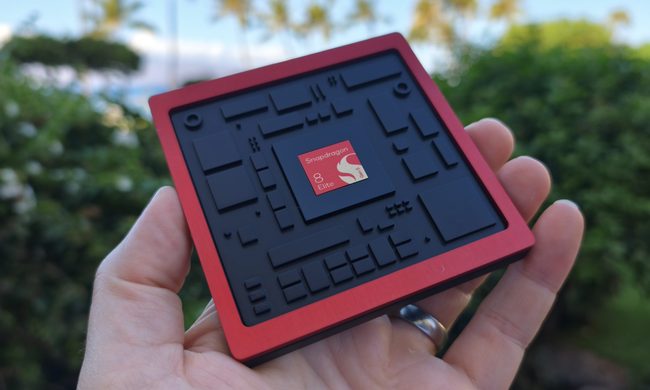
The new Qualcomm Snadragon 8 Elite Gen 5

If you were hoping your next Android phone might come with a friendlier price tag, you may want to temper your expectations. Qualcomm just confirmed it's raising chip prices starting September 1, and CEO Cristiano Amon didn't dress up the reason. "Cost went up, prices are going to go up," he told CNBC. Qualcomm chips power a huge share of the world's Android phones, so a hike at the source is likely to reach store shelves eventually.

Rising costs go beyond memory

Read more
Galaxy Z Fold 8 Ultra: Everything we know
Though it will feature improvements across the board, the memory crisis might not spare Samsung’s Fold 8 Ultra.
Samsung Galaxy Z Fold 8 Ultra

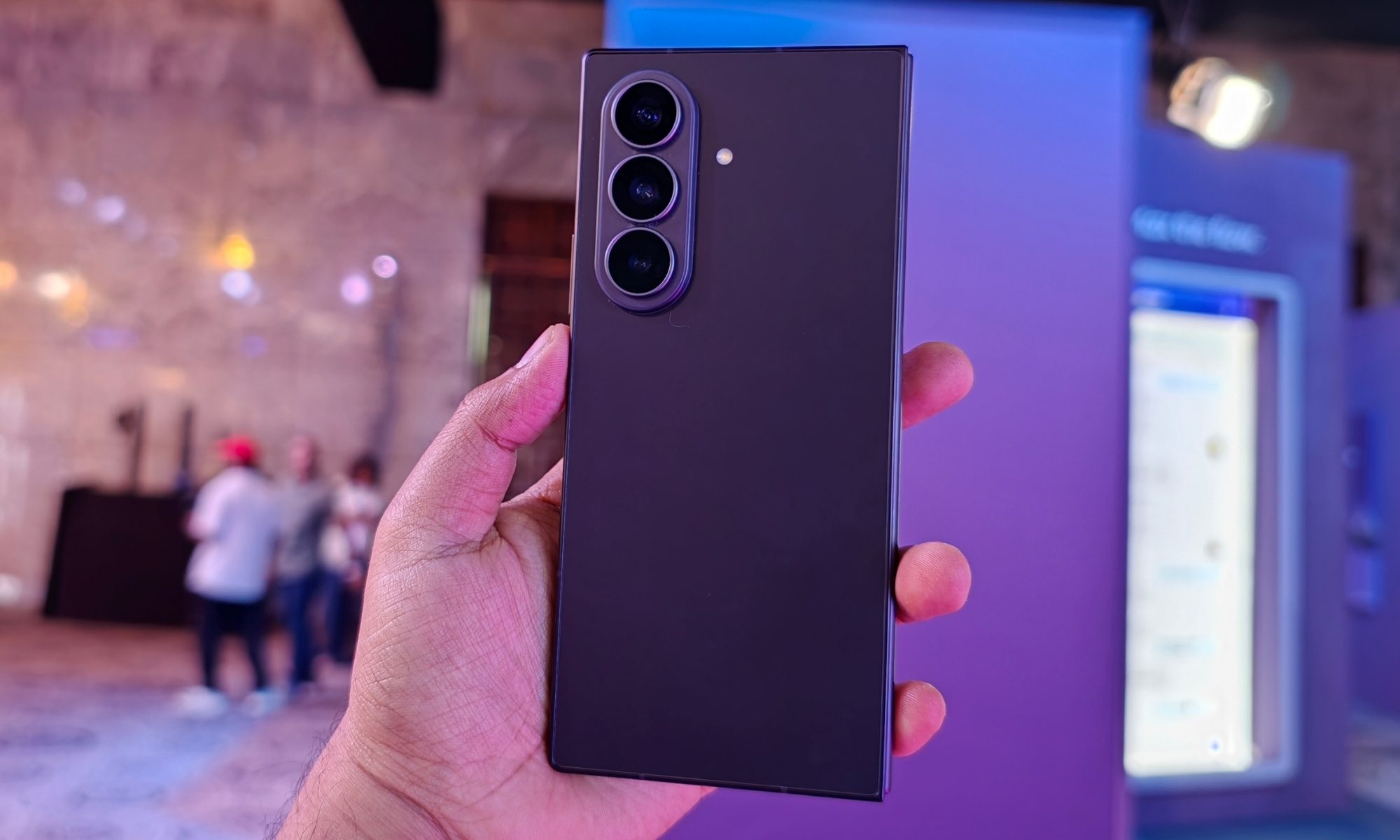
The Samsung Galaxy Z Fold 8 Ultra is not the phone that reimagines what a foldable looks like. That job belongs to its sibling, the wider-screen Galaxy Z Fold 8; the Ultra is the direct successor to the Galaxy Z Fold 7 instead. It carries forward the same tall, narrow design and the same book-style proportions, for the same audience.

If you've used a Samsung Galaxy Z Fold in the past and think that the shape is perfect for you, the Fold 8 Ultra is exactly the right phone for you. It has a sharper inner display, a substantially larger battery, faster charging, and Samsung's new Flex Titanium display structure, which is designed to minimize the crease that has troubled Samsung's foldables for years.

Read more
Google’s priciest Pixel 11 may bring a smaller battery and a bigger bill
Google’s next Pro Pixels may turn “less for more” into a flagship feature
Rear shell of Google Pixel 10 Pro.

Google’s next flagship phones may ask buyers to accept two changes that rarely sit well together: smaller batteries and higher starting prices. Reliable leaker Roland Quandt claims the Pixel 11 Pro will carry a 4,850mAh battery, while the larger Pixel 11 Pro XL will offer 5,115mAh. The same leak puts their UK prices at £1,079 and £1,279, respectively, for models with 256GB of storage. Google has yet to confirm any of these figures, with the Pixel 11 launch scheduled for August 12.

The Pixel 11 Pro XL gets the roughest deal

Read more