1. Home
  2. Emerging Tech
  3. Health & Fitness
  4. News

Innovative tool allows students to learn Braille without instructors

Add as a preferred source on Google

Visually impaired students can now learn to read braille on their own thanks to a new educational tool. Developed by T-var EdTech —  a startup accepted to Harvard Innovation Lab’s incubation program — the Read Read uses a combination of tactile and audio feedback to teach the Braille alphabet to people who don’t have access to teachers.

90 percent of people who are Braille literate are employed, while adults only one in three blind adults is who do not read Braille are employed. Many don’t learn Braille due to lack of resources. Realizing this, master’s student Alex Tavares looked for a new method and tool for teaching Braille that would allow students to do so autonomously.

Recommended Videos

The Read Read is relatively simple and easy to use, featuring large tiles with Braille letters, which students can arrange in slots to form words. When a student places a tile in a slot, an audio file plays the phonetic sound of the letter. When a word is formed, the audio files sound out the word.

A twelve-week trial was recently held at the Perkins School for the Blind where students were given the opportunity to test the device.

“Students were extremely engaged with the Read Read,” Tavares told Digital Trends. “One student, who is blind and on the Autism spectrum, had struggled to learn the first ten letters of the alphabet all year long. Being on the Autism spectrum meant that taking traditional direct instruction was extremely challenging, and left the student unable to learn Braille. The immediate audio feedback and exploratory platform provided by the Read Read allowed the student to practice Braille with minimal guidance, and learn the first ten letters of the alphabet after only two days, practicing less than 20 minutes each day.”

Tavares and his team are now seeking support and funding for the Read Read on Kickstarter. They hope to raise $273,000 to give the tool to 400 students. Individual devices can also be purchased for $495.

Correction: A previous version of this article stated that about 8.5 percent of blind students receive sufficient instruction to learn Braille. The American Foundation for the Blind suggests, “We have found no recent, reliable source (or any standardized definitions) for literacy or Braille literacy rates among students or adults who are blind/visually impaired.”

Dyllan Furness
Former Contributor
Dyllan Furness is a freelance writer from Florida. He covers strange science and emerging tech for Digital Trends, focusing…
Study finds humans will talk to AI ghosts of the dead as reincarnations, and it’s pretty grim
The first AI ghost study is in. The results are about as complicated as you'd expect.
VR Headset, Person, Face

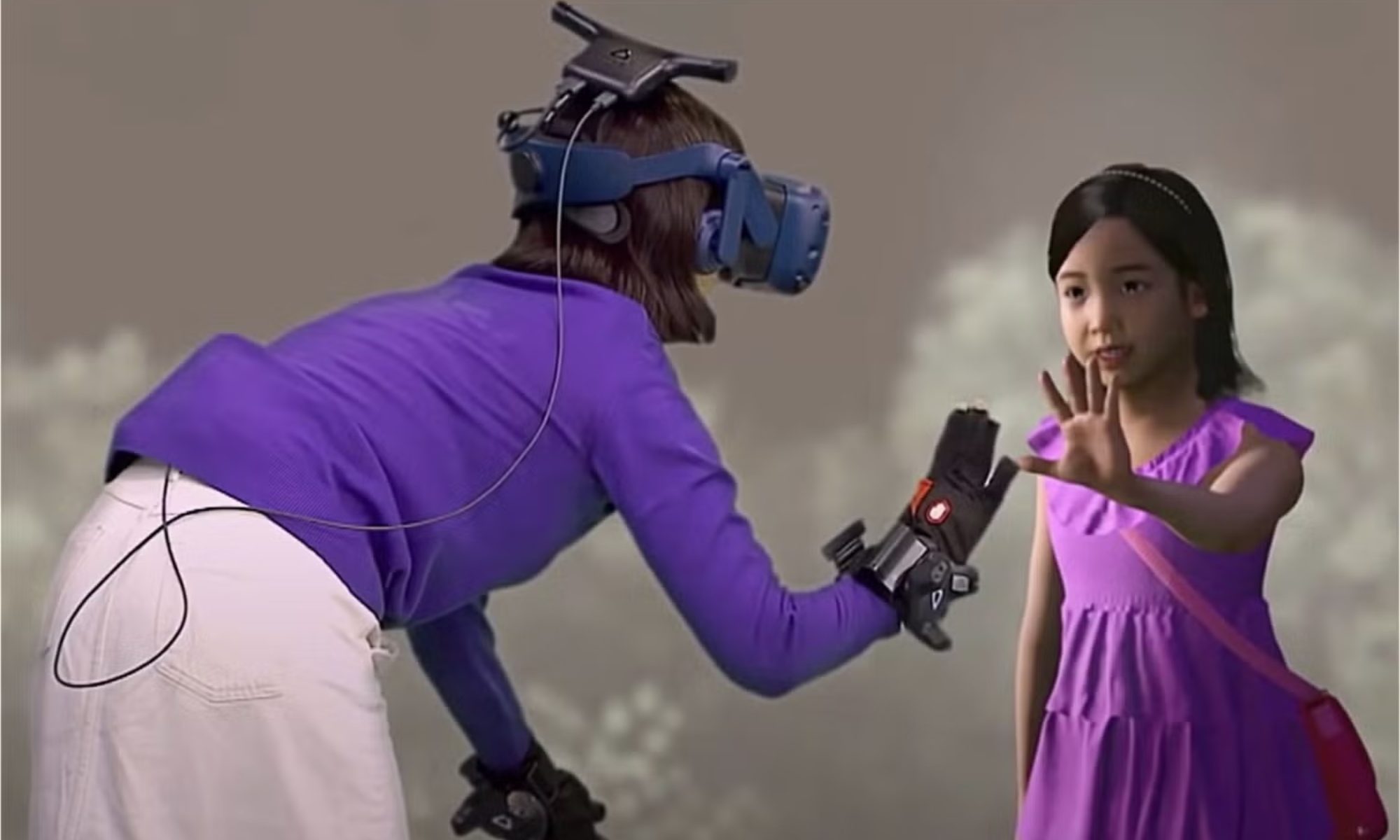
A new study from the University of Colorado Boulder confirms something that sounds both impressive and concerning. People find interacting with AI simulations of their dead loved ones deeply meaningful, and most will come away wanting to do it again.

The researchers call it a "generative ghost," which is a clear reference to generative AI, but I’d still prefer to call it unsettling.

Read more
China’s UBTech unveils eerily lifelike companion robots, and yes, they want to move in with you
UBTech's new humanoid robots are built for companionship, using emotion-aware AI, long-term memory, and humanlike expressions to become part of your everyday life.
UBTech Uworld U1 series robot launch

A humanoid robot designed to live in your house, learn your habits, and pick up on your mood without being prompted is no longer science fiction. Shenzhen-based UBTech Robotics unveiled its Uworld U1 series this week, introducing three robots built for companionship rather than factory work or household chores.

A body that moves like yours, and a brain that reads how you feel

Read more
This $249 LED sign wants to fix your work-life balance
My productivity isn't worth $249... or is it?
Flipper Busy Bar

Flipper Devices has built a reputation among hackers and hardware enthusiasts with the Flipper Zero, a pocket-sized gadget capable of interacting with RFID, NFC, Bluetooth, and other wireless protocols. Now, the London-based company is taking a very different approach.

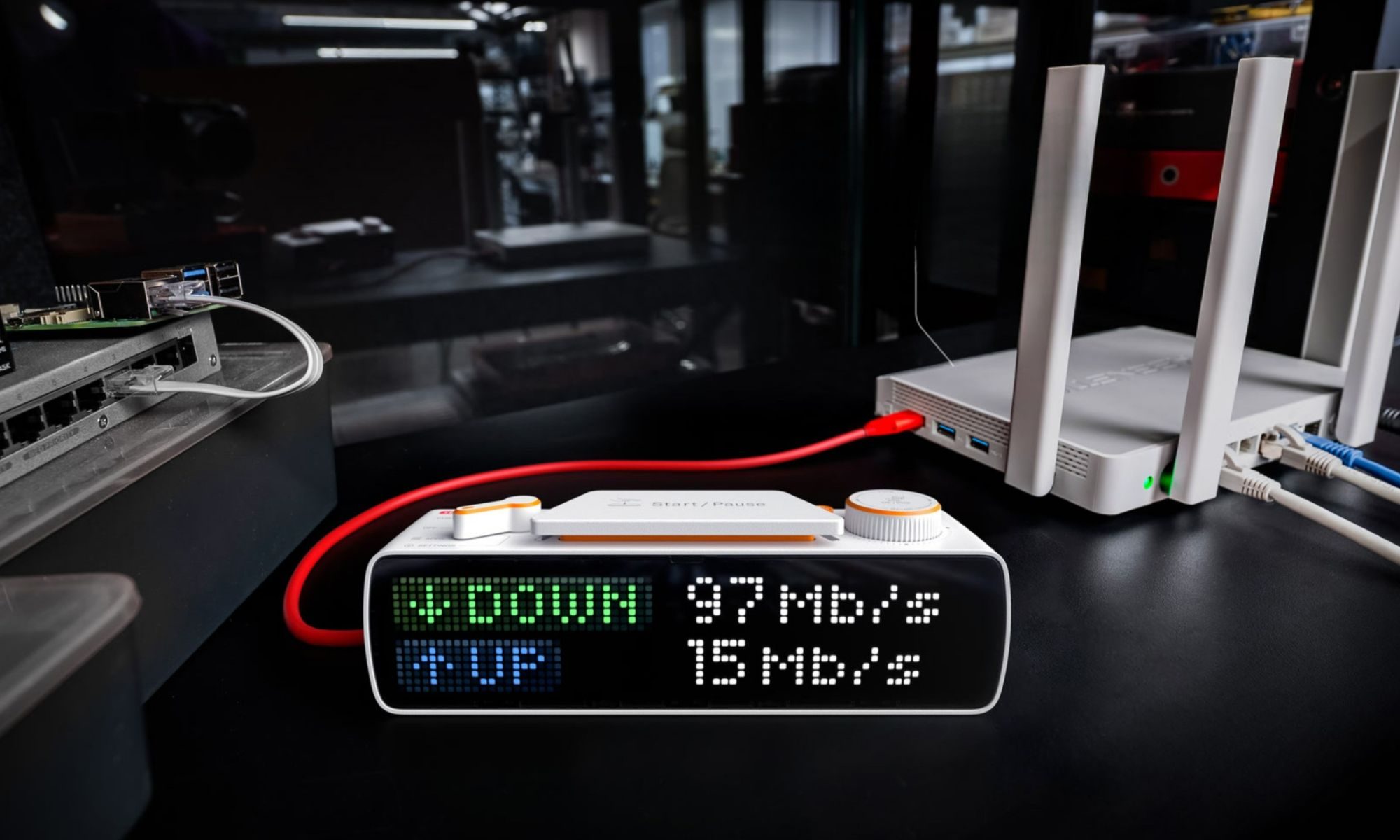
Its latest product, the Busy Bar, is a desktop productivity display designed to help users stay focused, signal their availability, and automate parts of their workflow. After being teased last year, the device is finally going on sale on July 14. While the concept is genuinely clever, its starting price of up to $249 may make many buyers think twice.

Read more