  1. Home
  2. Computing
  3. Gaming
  4. Virtual Reality
  5. News

Mindmaze's VR facial-tracking system may make an appearance during the holidays

Add as a preferred source on Google

While Bebop Sensors is serving up gloves to virtual and augmented reality headset makers that track hands and fingers, Mindmaze is working on technology to correctly track facial expressions. Simply called Mask, it sits between the user’s face and the virtual reality headset and will be compatible with the HTC Vive, the Oculus Rift, and Samsung’s Gear VR headsets when it possibly launches at the end of 2017.

Mask is comprised of eight, low-cost electrodes mounted within the foam padding of a VR headset. These electrodes detect the electrical impulses of the face, analyzes them via advanced machine learning, and replicates the facial movements on a virtual avatar. This tech supposedly detects expressions 20 to 30 milliseconds before they even physically appear on your face.

Recommended Videos

However, Mindmaze will not sell Mask directly to users. Instead, it will be sold to headset makers to implement into their own retail kits. Because Mask is a very low-cost solution, the cost of VR headset kits will not see a dramatic price increase.  The big cost on Mindmaze’s part was creating software that could understand the data generated by those eight electrodes.

According to Mindmaze CEO Tej Tadi, a computer receiving the eight streams of data registers the rise and fall of each signal like an EKG. Thus, MindMaze had to utilize its neurotech expertise to create an algorithm — a set of rules for calculating a problem or situation — to read the data and pull information to form a set of facial expressions.

“When I strapped on the headset to try Mask for myself, even without any calibration, a range of canned expressions that I made were quickly reflected on the face of an avatar that represented me in the virtual world,” reports Ben Lang from Road to VR. “When I smiled, it smiled. When I frowned, it frowned. It was easily the best calibration-free tech that I’ve seen of this sort.”

That is good news coming from a hands-on experience with a prototype. Lang said this model only supported 10 different facial expressions. On top of that, facial movements were sterile, meaning Mask did not render all the small little facial details that make your expressions unique. Eventually, the team will add more facial expressions along with low-key eye tracking to express basic eye movements.

That said, Mask is still in the prototype stage. The model Lang tested tended to render facial expressions incorrectly and had trouble picking up normal blinking. But that is where machine learning comes in: The algorithm will get smarter over time, making for a more “robust” experience as it understands the facial movements of each user.

While all of this sounds like a lot of computing power, Tadi said that the workload is low enough for the system to run on smartphone-based VR headsets. That is due to the electrode/algorithm combo, which is a stark contrast to the camera-based facial tracking approach on PC.

So when will Mask be ready? There is a good chance it will be integrated into VR headsets by the 2017 holiday season or shortly thereafter.

Kevin Parrish
Kevin started taking PCs apart in the 90s when Quake was on the way and his PC lacked the required components. Since then…
Google Earth’s AI misadventure lasted only a day. It was a tale of dangerous ignorance.
Nuclear reactors, tanks, and historical destruction on a life-like satellite map? Yeah, that's bad.
Nano Banana AI image generator representation.

Technology behemoths are clearly not reading the room, or they are just moving faster than they should when it comes to AI deployment. Google has already stuffed its Gemini AI in every corner of its software stack, from Android to daily productivity tools like Gmail that are used by hundreds of millions of users every day. AI is everywhere. Not all of it is bad, mind you. But in a few places, it just feels forced.

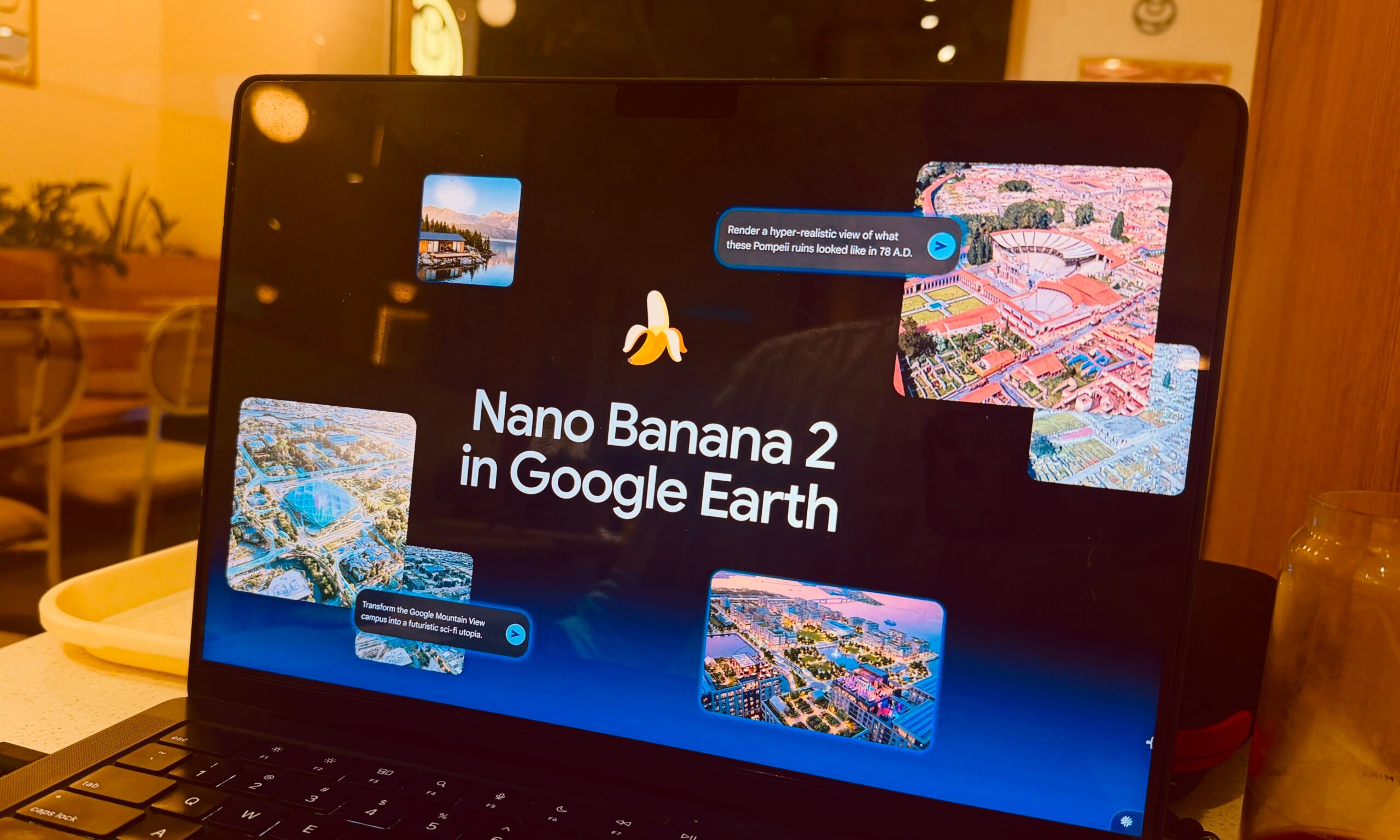
In its latest AI-fication experiment, the company targeted Google Earth. The idea was to let the audience use its Nano Banana 2 AI image generator and make images that can be placed on the map view. On paper, it's a cool idea. What would the Colosseum of Rome look like in your urban neighborhood? Yeah, fun stuff like that.

Read more
AMD is apparently gearing up to raise GPU prices right after Nvidia’s steep hike
AMD has reportedly told AIB partners about a price hike that goes into effect in. August.
AMD RX 7800

AMD is next in line to raise the asking price of its Radeon GPUs, merely days after the news of a similar hike coming for Nvidia graphics cards started making waves. As per ChannelGate on Weibo (h/t VideoCardz), AMD has informed its board partners that the price of GPU and memory bundles will go up by at least 10% in August.

Is a similar price hike coming for standalone graphics cards? I won't be surprised if that happens. The situation is so bad that AMD is planning to bring back graphics cards with 4GB of onboard memory. AMD just introduced the RX 9050 GPU, which costs $279. Notably, it's just $20 less than the RX 9060 XT that offers double the graphics memory.

Read more
Microsoft will make Windows work well with just 8GB RAM. We desperately need it
The dream of a reliable and affordable Windows laptop hinges on the next milestone at Microsoft.
Surface laptop on wooden table

The year 2026 has marked a huge course correction for Microsoft after years of frustrating users with plenty of confusing processes, unoptimized UI elements, and just the generous bloatware that can bring any Windows system to a crawl. Microsoft has finally shifted into a new phase. From fixing the right-click behavior to speeding up the Search system, the company has fixed plenty of papercuts.

The next major milestone is making Windows 11 run smoothly on Windows PCs with just 8GB of RAM. That directly means entry-level and budget laptops will at least get the basics right, even if that means sacrificing the on-device AI bells and whistles. Let's face it. The increasingly AI-first approach to computing on a Windows 11 machine is a little too taxing on the hardware at hand.

Read more