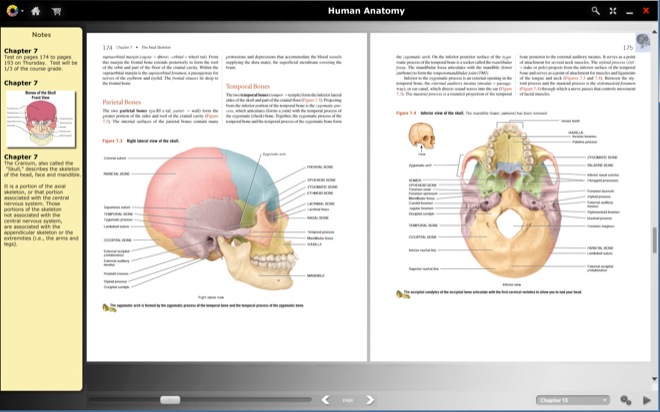
The ebook market is only a few years old, and is already showing signs of struggling with the same DRM and proprietary format issues that plagued the digital music industry for years. Just when the industry looked to be eyeing the open ePub format, here comes another contender: Blio, from long-time technology innovator Ray Kurzweil. But Blio will be more than an ebook format: it will be a platform available for a wide range of devices, and unlike almost everything else on the market, Blio books will match the on-paper look and feel of genuine books.

Set to be unveiled at the Consumer Electronics Show on January 7, Blio will be an ebook platform developed by Kurzweil’s kfnbReading Technology—the same folks who do the kfnbReader devices for the visually impaired. The Blio platform plans to support applications for everything from traditional PCs and notebook computers to the iPhone and the much-rumored emergence of portable tablet devices, and the applications will be available for free. Blio plans to help publishers embrace the platform by enabling them to offer books using just PDF scans of their physical tomes—and unlike titles for current E-Ink digital readers, Blio books will support full color and look like the physical books they represent. And, being from Kurzweil, the Blio platform will support strong text-to-speech functionality. At initial glance, Blio looks well-suited for titles that have, so far, suffered on text-centric E-Ink readers, such as books that rely on photographs and illustrations like travel titles, comics, and childrens’ books. However, where text-centric ebook formats can adapt their displays to fit a wide range of devices—especially small screens like mobile phones—it’s not clear how Blio’s representation of physical pages will play on small screens.
Reports have the Blio platform gearing up for a million-title launch—we expect a lot of those titles will be via Google Books and the public domain—although distributor Baker & Taylor seems to be on board to deliver current titles for the Blio platform as well. However, it remains to be seen whether publishers and consumers will embrace a new ebook platform.