1. Home
  2. Emerging Tech
  3. News

Want a drone to deliver your online purchases? Move to Iceland

Add as a preferred source on Google

From the country that’s still live-streaming a McDonald’s hamburger eight years on comes a stab at an altogether more sensible project: drone delivery.

That’s right, Iceland is now one of the few countries in the world to launch a delivery service using drones, this one aimed at online shoppers in Reykjavik.

Recommended Videos

Drone company Flytrex has partnered with AHA, one of Iceland’s biggest ecommerce companies, to make the service a reality, flying ordered items over one of the city’s wide waterways to dramatically reduce the usual delivery time.

A video posted online this week shows the drone zipping from one side of the river to a customer on the other side. The journey usually takes one of its drivers 25 minutes to complete, but because a drone can take a more direct route, the delivery takes a mere four minutes.

“If you look at our city, it’s full of bays and difficult traffic routes, so to deliver from point A to point B, even though it might only be two kilometers by air, it might mean you have to drive for seven kilometers,” said AHA CEO Maron Kristófersson.

With drones able to reach some destinations far more quickly than cars, you might think a few job losses are on the way for delivery drivers in Iceland, but AHA insists the drones will operate alongside its vehicle-based network, thereby “increasing its daily deliveries capacity.”

Flytrex and AHA are using a DJI Matrice 600 drone for the service, attaching a large box to its base to hold customers’ orders. This particular DJI drone, a hexacopter with a top speed of 40 mph (65 kph), can carry a payload of up to 13 pounds, which is a lot of pizza if that’s what you’re after.

The pair tout the service as the first-ever drone delivery system in an urban environment, though that appears to be stretching it a bit. There’s no indication that its flying machines are dropping off orders at addresses on busy streets, but the effort at least highlights how an increasing number of businesses are experimenting with the technology. And dropping items off across waterways seems like a sensible alternative to sending a van out on a longer run.

While many companies — Amazon famously among them — would like to get similar drone services up and running, most regulators are still to be convinced that it’s OK to fly the machines out of the line of sight of either pilots or those monitoring autonomous flights. Domino’s in New Zealand conducted trials of pizza delivery by drone for several weeks in November 2016, and is now awaiting permission from the government to run further trials.


Trevor Mogg
Contributing Editor
Not so many moons ago, Trevor moved from one tea-loving island nation that drives on the left (Britain) to another (Japan)…
Yet another study says AI is bad for elections, and the rabbit hole gets worse
AI may be an election bomb waiting for someone to light the fuse
Voters cast their ballots on Election Day

Another election, another study has concluded that asking an AI chatbot for political guidance is a spectacularly bad idea. Research conducted during Hungary’s 2026 parliamentary election found that ChatGPT and Google Gemini offered not just inaccurate but also inconsistent and unreliable voting advice. The chatbots misclassified voter profiles, overlooked relevant parties, recommended parties absent from the ballot, and sometimes produced materially different answers when given the same information repeatedly.

AI keeps failing the voter test

Read more
Samsung’s humanoid robot ambitions are real, but factories come first
Samsung’s new robotics division has humanoids in its sights, although its immediate business is far more practical factory automation
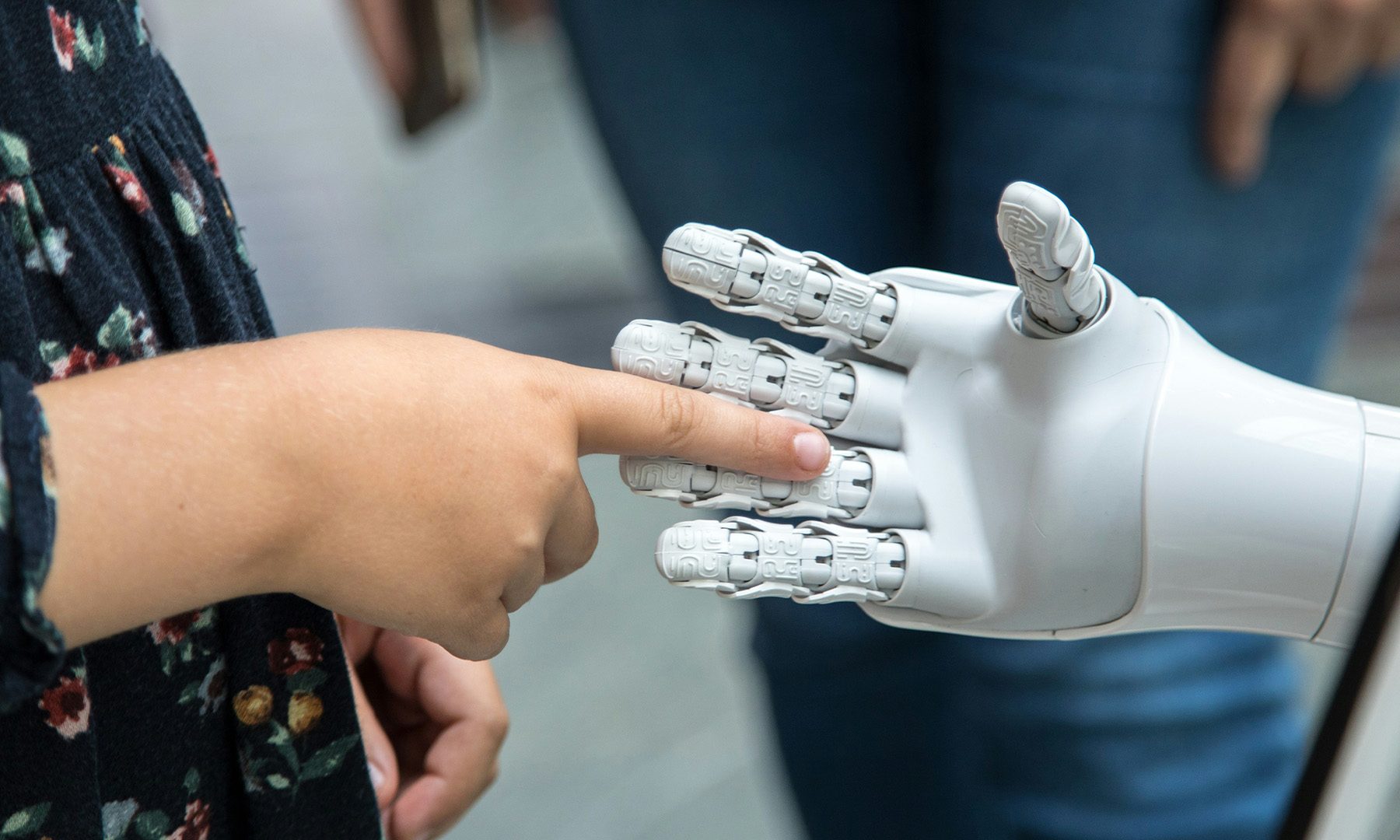
Robot Touch Human Finger

Samsung wants a place in the humanoid race, but its new robotics push begins with machines built for factories rather than homes.

The CEO-led RX robotics division will initially focus on manufacturing robots. Samsung has separately identified humanoids as a priority, although it hasn’t announced a commercial model or explained where one fits into the division’s immediate plans.

Read more
The future of AI may depend on this one behind-the-scenes change
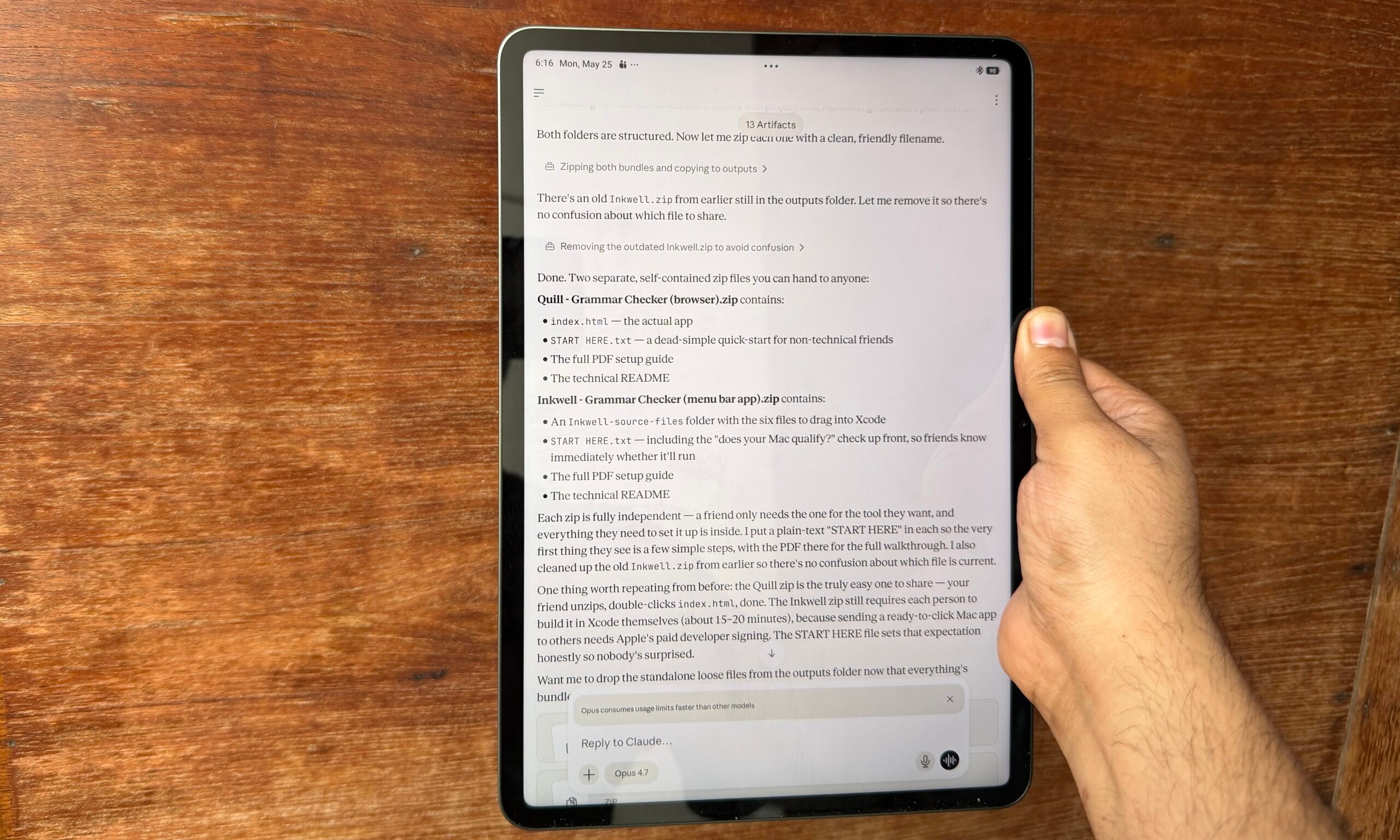
Running Claude on Android.

Whenever a new AI model arrives, it's easy to get caught up in the bells and whistles. We talk about how much smarter it is, how quickly it answers questions, or how realistic its images have become. But here's the thing: none of that matters much if the AI can't reliably work with the apps and services people use every day.

That's why an upcoming update to the Model Context Protocol (MCP) caught my attention. It isn't a new chatbot or a fancy AI model. In fact, most people will never even know it's happening. But it could quietly make the AI ecosystem a lot healthier. If you've never heard of MCP before, don't worry. Think of it as a shared language that lets AI assistants safely talk to apps like Gmail, Slack, calendars, databases, and countless other services. Instead of every company inventing its own way to make those connections, MCP gives everyone a common rulebook.

Read more