1. Home
  2. Emerging Tech
  3. News

Setback for SpaceX as its next-gen rocket explodes during testing

Add as a preferred source on Google

A SpaceX rocket exploded during testing at the company’s facility in Texas over the weekend. SpaceX confirmed the incident to the Washington Post on Wednesday, November 8, adding that no one was hurt.

Elon Musk’s private space company was conducting tests for its next-gen Merlin booster — one that hasn’t yet flown — when the explosion occurred on Sunday, November 5. It’s now trying to work out what went wrong.

Recommended Videos

The unfortunate incident comes toward the end of what has been a great year for SpaceX. So far in 2017 it’s completed 16 launches using Merlin engines on its Falcon 9 rocket, double what it achieved last year. Its missions involve transporting supplies to the International Space Station as well as satellite launches for a range of companies around the world.

Despite the explosion, SpaceX insisted it’s committed to its current launch schedule. This includes several launches before the end of the year and a possible test launch of its new Falcon Heavy rocket, which Musk says will be “the most powerful operational rocket in the world by a factor of two.”

All of its space missions have so far been unmanned, but there are plans to begin testing crewed flights in 2018.

Ups and downs

For those that follow the ups and downs of SpaceX in its ongoing quest to build a reusable rocket system to drastically cut the cost of space travel, this most recent setback will bring to mind a similar calamity suffered by the company just over a year ago when a rocket exploded on the launchpad.

No one was killed or injured in the spectacular fireball at Cape Canaveral’s facility, but the rocket was totally destroyed, along with a $200-million Israeli satellite that was to be used by Facebook as part of its ongoing efforts to bring internet connectivity to remote parts of the world. A lengthy investigation found the explosion was caused by a failure in one of the rocket’s helium tanks.

In a 2005 interview given by Musk when SpaceX was just starting out, the billionaire entrepreneur said the company’s ambitious goals meant that “failure is an option here,” adding, “If things are not failing, you are not innovating enough.” More recently he posted a blooper video titled, “How not to land an orbital rocket booster,” showing various disastrous efforts by SpaceX on its quest to perfect its system, which is designed to land booster rockets back on Earth shortly after launch.


Trevor Mogg
Contributing Editor
Not so many moons ago, Trevor moved from one tea-loving island nation that drives on the left (Britain) to another (Japan)…
Yet another study says AI is bad for elections, and the rabbit hole gets worse
AI may be an election bomb waiting for someone to light the fuse
Voters cast their ballots on Election Day

Another election, another study has concluded that asking an AI chatbot for political guidance is a spectacularly bad idea. Research conducted during Hungary’s 2026 parliamentary election found that ChatGPT and Google Gemini offered not just inaccurate but also inconsistent and unreliable voting advice. The chatbots misclassified voter profiles, overlooked relevant parties, recommended parties absent from the ballot, and sometimes produced materially different answers when given the same information repeatedly.

AI keeps failing the voter test

Read more
Samsung’s humanoid robot ambitions are real, but factories come first
Samsung’s new robotics division has humanoids in its sights, although its immediate business is far more practical factory automation
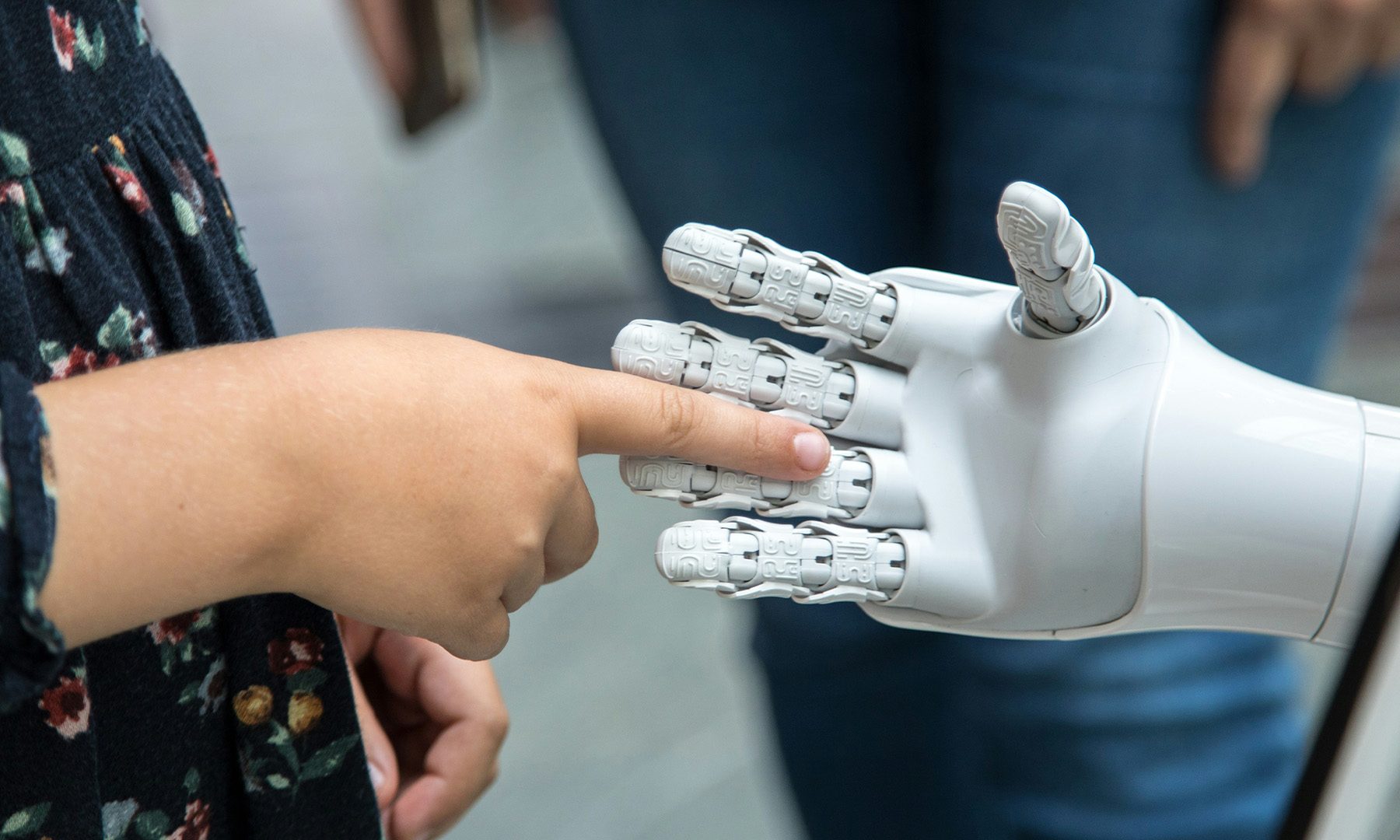
Robot Touch Human Finger

Samsung wants a place in the humanoid race, but its new robotics push begins with machines built for factories rather than homes.

The CEO-led RX robotics division will initially focus on manufacturing robots. Samsung has separately identified humanoids as a priority, although it hasn’t announced a commercial model or explained where one fits into the division’s immediate plans.

Read more
The future of AI may depend on this one behind-the-scenes change
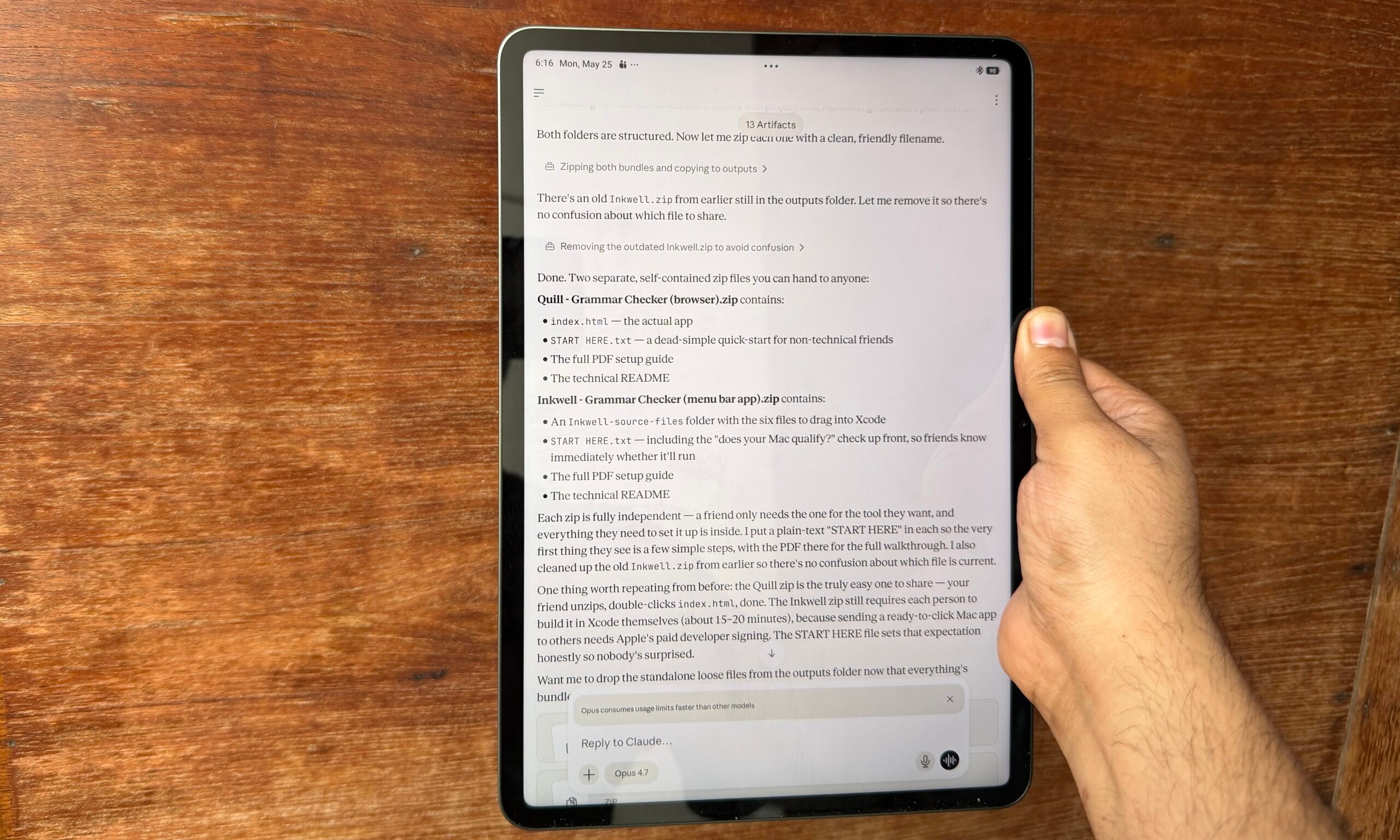
Running Claude on Android.

Whenever a new AI model arrives, it's easy to get caught up in the bells and whistles. We talk about how much smarter it is, how quickly it answers questions, or how realistic its images have become. But here's the thing: none of that matters much if the AI can't reliably work with the apps and services people use every day.

That's why an upcoming update to the Model Context Protocol (MCP) caught my attention. It isn't a new chatbot or a fancy AI model. In fact, most people will never even know it's happening. But it could quietly make the AI ecosystem a lot healthier. If you've never heard of MCP before, don't worry. Think of it as a shared language that lets AI assistants safely talk to apps like Gmail, Slack, calendars, databases, and countless other services. Instead of every company inventing its own way to make those connections, MCP gives everyone a common rulebook.

Read more