1. Home
  2. Emerging Tech
  3. News

Walmart reportedly explores cashier-free stores to keep pace with Amazon

Add as a preferred source on Google

How do you like the idea of waltzing into a store, taking what you need, and then getting the hell out? No checkouts, no lines, no waiting.

Walmart is exploring the idea of stores without staff where you can simply “grab and go,” with computer vision technology monitoring what you place in your bag so it can automatically tot up the amount and take it from your bank account, sources claiming to have knowledge of the matter told Recode this week.

Recommended Videos

Yes, it does sound very similar to Amazon’s Go store, a concept unveiled about a year ago but which has yet to launch for the public. The last we heard, Amazon was having some difficulties at its test store in Seattle regarding the all-important payment system, with the technology unable to track more than 20 customers at a time.

It’s not clear how similar Walmart’s technology is to Amazon’s, but it nevertheless appears to be creating something along the same lines to offer a speedier and more convenient shopping experience that really doesn’t feel like shopping at all.

Walmart’s effort, codenamed Project Kepler, is part of the company’s Store No. 8 startup incubator, and is reportedly headed up by Mike Hanrahan, the co-founder and former chief technology officer of online shopping service Jet.com. Walmart acquired Jet.com for around $3 billion in 2016 and took on Hanrahan and Marc Lore, Jet.com’s other co-founder. Lore now leads Walmart’s ecommerce efforts and the pair are using their experience to battle the likes of Amazon while attempting to broaden the customer base of the big-box retailer.

Another initiative reportedly underway is a personal shopping service targeting “busy NYC moms,” according to Recode’s sources. Managed by Rent the Runway co-founder Jennifer Fleiss, the service would use text messages to send product recommendations to shoppers, which they can then quickly purchase simply by replying. Once again with Amazon in its sights, many of the offered products would be delivered to customers within 24 hours, or within two business days at the most, while returns would be collected by the company at no extra charge.

Walmart’s reported projects indicate the company’s determination to use technology to bolster its business and expand its customer base to keep pace with the likes of Amazon. However, we’ll have to wait and see whether the cashier-free store and messaging-based shopping service develop into a real offering, as it’s still early days for both initiatives.


Trevor Mogg
Contributing Editor
Not so many moons ago, Trevor moved from one tea-loving island nation that drives on the left (Britain) to another (Japan)…
Yet another study says AI is bad for elections, and the rabbit hole gets worse
AI may be an election bomb waiting for someone to light the fuse
Voters cast their ballots on Election Day

Another election, another study has concluded that asking an AI chatbot for political guidance is a spectacularly bad idea. Research conducted during Hungary’s 2026 parliamentary election found that ChatGPT and Google Gemini offered not just inaccurate but also inconsistent and unreliable voting advice. The chatbots misclassified voter profiles, overlooked relevant parties, recommended parties absent from the ballot, and sometimes produced materially different answers when given the same information repeatedly.

AI keeps failing the voter test

Read more
Samsung’s humanoid robot ambitions are real, but factories come first
Samsung’s new robotics division has humanoids in its sights, although its immediate business is far more practical factory automation
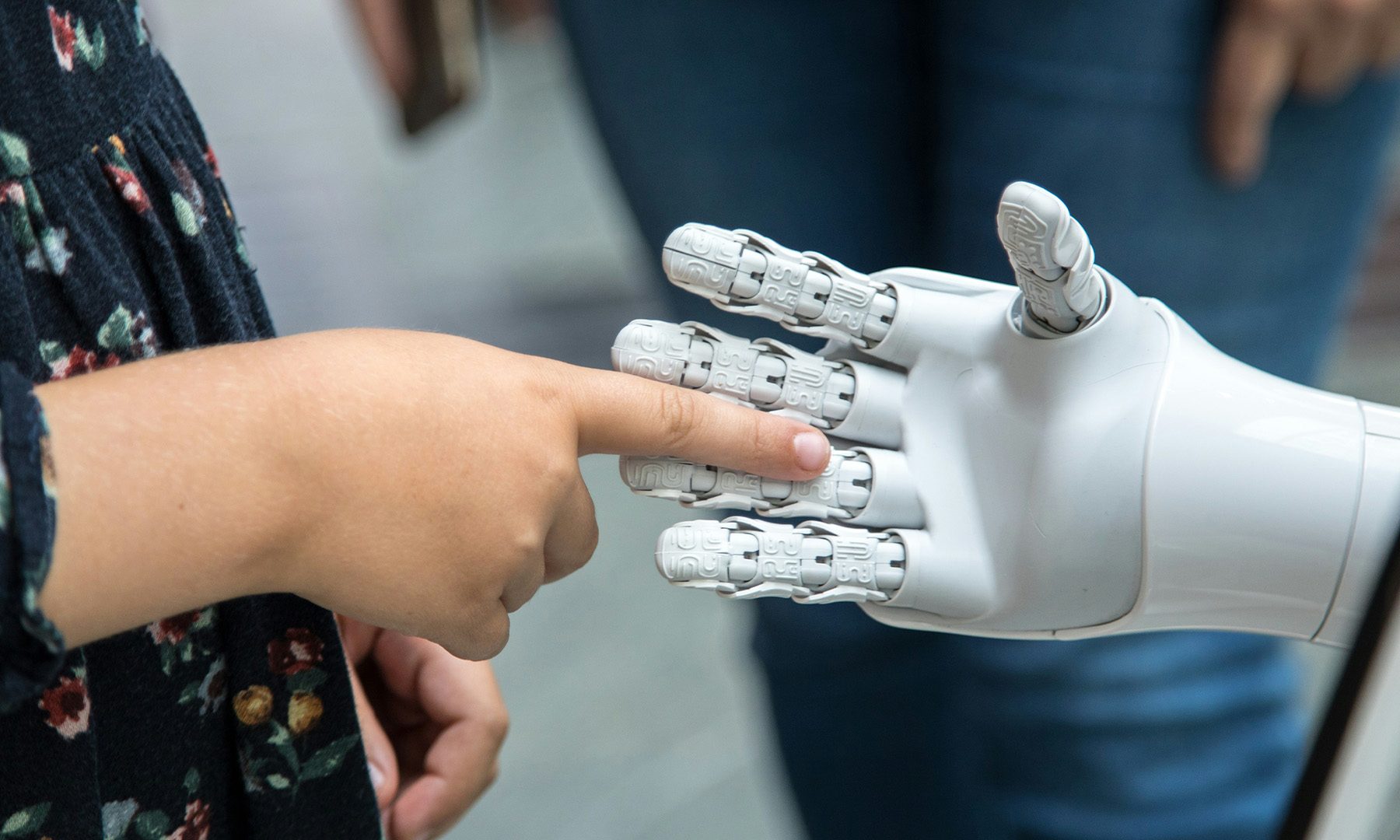
Robot Touch Human Finger

Samsung wants a place in the humanoid race, but its new robotics push begins with machines built for factories rather than homes.

The CEO-led RX robotics division will initially focus on manufacturing robots. Samsung has separately identified humanoids as a priority, although it hasn’t announced a commercial model or explained where one fits into the division’s immediate plans.

Read more
The future of AI may depend on this one behind-the-scenes change
Running Claude on Android.

Whenever a new AI model arrives, it's easy to get caught up in the bells and whistles. We talk about how much smarter it is, how quickly it answers questions, or how realistic its images have become. But here's the thing: none of that matters much if the AI can't reliably work with the apps and services people use every day.

That's why an upcoming update to the Model Context Protocol (MCP) caught my attention. It isn't a new chatbot or a fancy AI model. In fact, most people will never even know it's happening. But it could quietly make the AI ecosystem a lot healthier. If you've never heard of MCP before, don't worry. Think of it as a shared language that lets AI assistants safely talk to apps like Gmail, Slack, calendars, databases, and countless other services. Instead of every company inventing its own way to make those connections, MCP gives everyone a common rulebook.

Read more