“Why you can trust Digital Trends – We have a 20-year history of testing, reviewing, and rating products, services and apps to help you make a sound buying decision. Find out more about how we test and score products.“
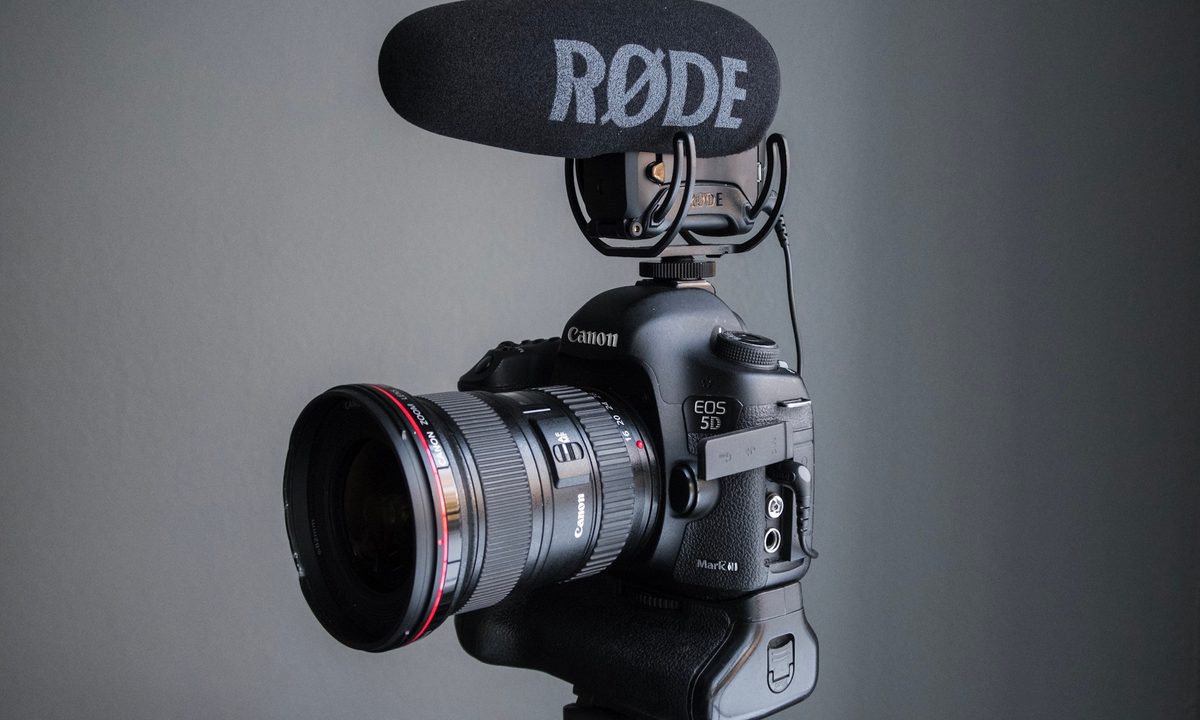
Over the past decade or so, Australian audio equipment manufacturer Rode — pronounced “road,” not “row-dee” — has built a name for itself in the consumer and prosumer audio market with the help of its VideoMic lineup of hotshoe-mounted shotgun microphones. Rode’s VideoMics are popular among all walks of video shooters, from amateur vloggers to professional videographers, thanks to their good quality, great value, and ease of use with any DSLR or mirrorless camera with a 3.5mm microphone jack.
Each generation brings along a handful of improvements, and Rode’s latest addition, the VideoMic Pro+, is no exception. It offers many new features that make it more versatile and easier to use in a variety of conditions. Without question, it is the best VideoMic Rode has ever made, and one that any video shooter would be happy to have in their kit.
Design and features
As with past models, the VideoMic Pro+ sits on Rode’s signature Rycote Lyre suspension system. This soft plastic material works as a shock mount to reduce unwanted noise from various bumps and movements the camera endures during filming. In our testing, the suspension system proved fantastic, especially during run-and-gun style shooting with a handheld camera that endured a good bit of jostling.


The windshield has been redesigned with a larger, “optimized” shape, which makes the VideoMic Pro+ less compact than its predecessors, but it still works well as an on-camera mic. What’s more, we noticed minimal wind noise throughout our test, even in breezy situations. If the larger windshield of the VideoMic Pro+ still isn’t quiet enough for your needs, Rode does offer a dead cat accessory that should stop all but the strongest of winds.
One of the biggest pain points of past VideoMic models was the battery and accompanying battery door, which would completely come off the mic whenever you opened it to swap batteries. Rode addressed this much fussed over issue by adding a built-in battery door assisted by a hinge, making things much easier and less frustrating. Moreover, the battery itself is now rechargeable, meaning you no longer have to keep a stash of 9-volt batteries around just for your Rode microphone. To charge the battery, simply plug in the microphone using the onboard Micro USB port and you’re good to go. In the event your battery does die and you don’t have time to charge it, you can also power the microphone with two AA batteries (or straight from a USB power source).
Rode’s VideoMic Pro+ is the perfect upgrade to an already incredible piece of audio equipment.
Fortunately, that shouldn’t be a problem. Rode claims the new battery can last upwards of 20 hours on a single charge. That estimate proved to be accurate, give or take an hour, in our testing.
Speaking of batteries, another new feature should ensure you don’t burn through them as fast. The VideoMic Pro+ now has auto-on/off technology. When plugged into your camera via the included 3.5mm TRS cable, the microphone automatically turns on when you power your camera on and turns off when your camera does. Now you won’t burn through a battery because you forgot to turn off the microphone, nor will you have to reshoot a scene because you forgot to turn it on. We’re guessing this simple advancement will bring a good deal of peace of mind to many videographers.
Digital switching and recording modes
One of the biggest changes with the VideoMic Pro+ is the digital switching interface. Rather than swiping a toggle from one setting to the next on the rear of the camera, Rode now relies on a pair of buttons. When pressed alone or together, the buttons activate various recording modes to suit your needs.

The first mode is a two-stage high pass filter. This is turned on to help reduce lower frequency background noise in recordings, such as the sound of an air conditioner unit or the rumbling of cars on a nearby highway, while allowing higher frequencies to come through uninterrupted.
The next mode is a three-stage gain control. This setting is used to boost the audio signal to make up for the more quiet preamps built into mirrorless and DSLR cameras, which often introduce noise if their own gain settings are raised too high. This lets you keep the gain down in-camera and should lead to cleaner audio.
An additional high frequency boost mode helps bring out more detail in recordings, specifically those with dialog is involved.
Another unique mode is the dedicated safety channel setting. This is geared for more advanced users, particularly those covering live events when it’s impossible to predict how loud things might get. This setting records audio at two different gain levels — one at the gain level you set, the other at minus 10 decibels — across the left and right channels. This is done to ensure that even if one channel is clipped due to an unexpected increase in volume, you’ll have a backup, or safety, recording to recover the audio. This is a brilliant way to make use of a camera’s stereo audio channels from a mono microphone, and could be a life-saving feature in many situations.
Overview
Overall, Rode’s $299 VideoMic Pro+ is the perfect upgrade to an already incredible piece of audio equipment. It hits on all of the sore spots of its predecessors, but sticks the same successful formula that has always made it a popular choice. Sure, it’s slightly larger than the versions that came before it, but that’s mainly due to the larger windscreen.
If you have the VideoMic Pro and are happy with it, it might not be worth it to update to Rode’s latest version, but auto-on/off and the new recording functions make a strong case for the Pro+. If you’re a first-time buyer, then we think it’s definitely worth it to spend a little more and get the Pro+ over the Pro. Heck, you might even break even over a year or so given the cost of all the 9-volt batteries you’ll have to buy for the older model.