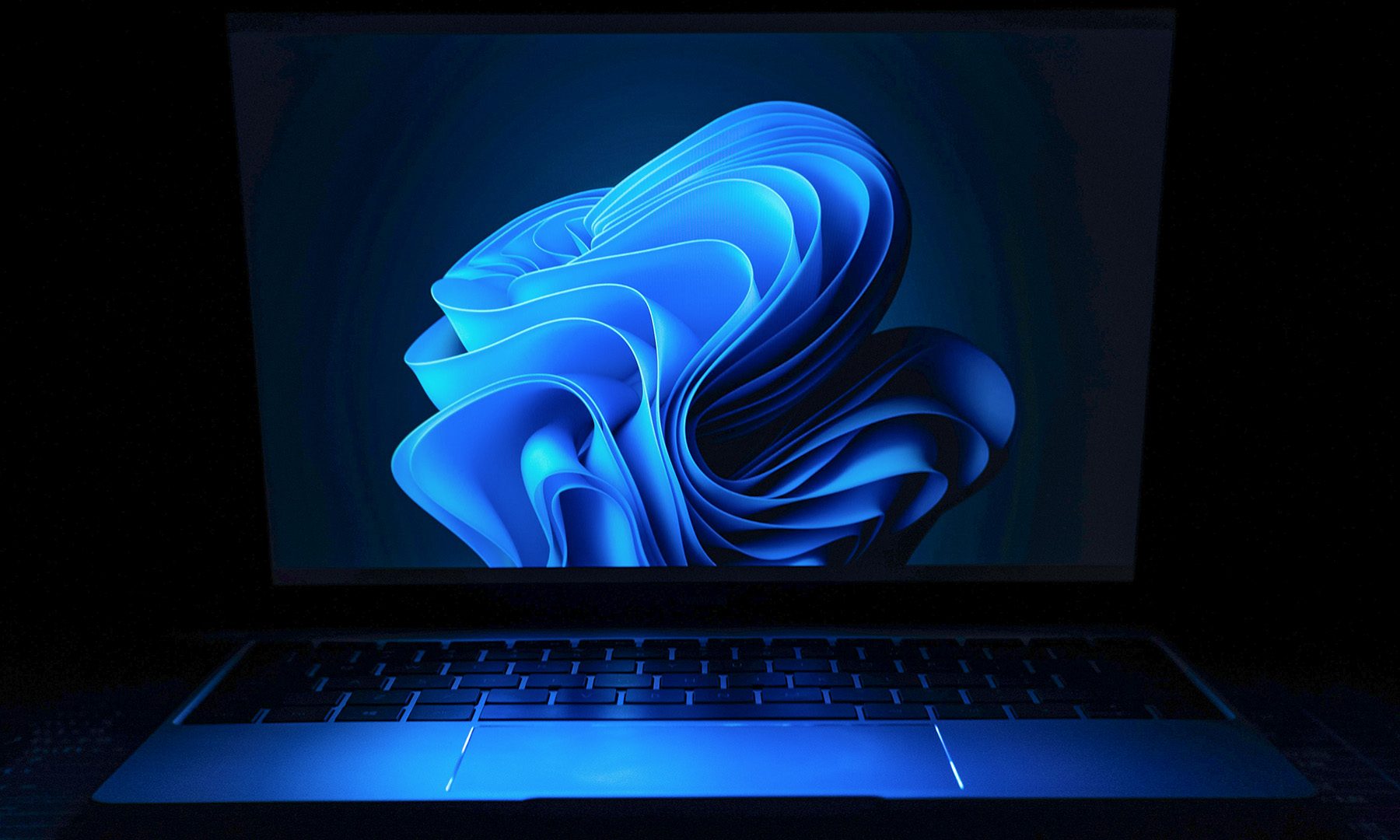
There’s awesome technology coming to the PC at CES 2018, but there’s one thing you won’t see in computers at the show. OLED. It’s had a great run in televisions, thanks in part to LG’s rollable, 65-inch screen, but you won’t find it in any laptops or monitors.
Its absence isn’t the status quo, but in fact a step back. Lenovo showed its first OLED laptop, the ThinkPad X1 Yoga, at CES 2016. We loved it. This year, though, the X1 Yoga’s OLED option is gone, and Lenovo has no plans to offer OLED in any of its laptops.
It’s not alone. HP championed OLED in its Spectre line of laptops, but you won’t find it on any model this year, not even the expensive, cutting-edge Spectre x360 15-inch. We checked every press release from every PC builder at the show. Not a one has introduced an OLED-equipped laptop, monitor, or all-in-one. It’s a must-have in the world of televisions and smartphones, but OLED is dead on the PC
What’s the problem?
The rise and fall of OLED seems mysterious at a glance. There’s no doubt it delivers superior image quality compared to traditional backlit LCDs, and its efficient, too. Seems like the best of both worlds, right?
Not quite. OLED can be efficient, but its efficiency depends on how it’s used. Each individual pixel can be turned on and off individually. When they’re all off, or relatively dim, it’s no problem – but if they’re all on, and bright, it’s a different story.


Lenovo told us that power draw was the reason why it removed OLED from the ThinkPad X1 Yoga. Pete Ellis, Omen displays product director at HP, supported that view, saying that “part of the problem is the power on white, which is a different issue for laptops, than for TVs.”
Why is it a “different issue?” Think about how you use a laptop. You might watch a movie on it, but you’re more likely to read emails, write a report, or shop on the web. All that puts a lot of white on the screen, even if you (like me) are a PC nerd who insists on using the dark theme whenever possible.
“There can be some image sticking, especially in games”
Image retention is trouble, too, and even hurts desktop monitors. “There can be some image sticking, especially in games,” said Ellis. Modern OLED screens handle the problem well enough that you might never see it on a television. PCs, though, display static images far longer. You might have a monitor on all day, displaying the Windows taskbar the entire time.
Those are difficult problems. I’ll go out on a limb and propose a third, one no company was willing to confirm. OLED wasn’t popular. It was an expensive option, adding $200 or $300 on top of already pricey laptops. Picky users like yours truly loved the contrast and color gamut, but most people didn’t want to pay the premium.
We did speak to one company that disagreed. Alienware, Dell’s gaming brand, isn’t ready to give up on OLED just yet. It hopes to debut more OLED-capable systems this year. Supply is the obstacle it must hurdle, as shortfalls with the original supplier have forced Alienware to seek a new partner. It’s not clear when that might result in new panels.
There are other paths to excellence
OLED’s absence at CES 2018 is a disappointment. There’s no other technology that can match its contrast ratio and deep, inky black levels. If you happen to own a OLED-equipped laptop, count yourself lucky. It’ll likely be among the best notebook displays for years to come.
If you don’t own one, though, don’t fret. There’s still reason to be excited. HDR is picking up the high-contrast, wide-color torch that OLED dropped. Instead of delivering inky blacks, HDR displays focus on brilliant, detailed whites that simply weren’t possible a couple years ago. It looks stunning, and doesn’t suck down as much power. That’s why Lenovo’s new ThinkPad X1 Yoga dropped OLED, and instead has Dolby Vision HDR screen.

LG has taken a different approach, introducing its new Nano-IPS technology at CES 2018. A refinement of IPS, it applies “nanoparticles” to the screen, which “absorb excess light wavelengths.” Yeah, OK, that sounds a bit dull — but you’re going to like the brighter, more color-saturated picture it allows. The company is also raising the bar for ultrawides with a 34-incher that boasts 5K resolution, the first of its kind.
Then there’s Nvidia. It surprised the show by announcing new Big Format Gaming Displays (BFGD) alongside its partners at Acer, Asus, and HP. These screens, which are not televisions – they don’t have a TV tuner – give PC gamers a new, 4K screen option that can sync its refresh rate with an Nvidia video card, delivering a perfectly smooth game experience. BFGDs have Nvidia Shield built-in, too, so they support all the apps and games you’d be able to play on the Shield console. This could be the cord-cutter’s dream display.
Goodbye, for now
We’re sad to say farewell to OLED’s presence in the PC, but don’t think of it as an end to innovation in notebook displays and desktop monitors. Everyone seems to agree that OLED is still important for the PC, and will someday return in force. Until then, you’ll have to make do with HDR, 65-inch screens, and ultrawide 5K screens – and that’s not so bad, is it?