1. Home
  2. Emerging Tech
  3. News

Tesla is bringing its home batteries to Canada

Add as a preferred source on Google
solar power
Tesla
Tesla

Tesla is bringing its smart power grids to Canada. Tesla and Nova Scotia Power have agreed to take part in a pilot program, which would use a combination of Tesla’s Powerwall 2 home batteries and utility-grade Powerpack batteries to bolster the reliability of the region’s wind power production, Engadget reported.

Recommended Videos

The Elmsdale Intelligent Feeder project seeks to make use of excess power created by wind turbines to fill in the gaps of the area’s electrical grid. Whenever one of the area’s wind turbines generates excess power, it will be sent to one of Tesla’s Powerpacks. From there, the power will be distributed to local homes whenever there is an outage or one of the wind turbines fails to produce enough energy.

The test program is partially backed by the Canadian government, and is expected to go live before the end of February and run through 2019. The Tesla batteries will remain regardless of the outcome of the experiment. The decision to expand the program to other parts of the country will largely depend on Nova Scotia power. The company will likely judge the program based on how well it serves the interest of consumers and itself.

Regardless of the success or failure of this project, its initial impact will be rather limited, given the small size of it. Only about 300 homes will be served by Tesla’s smart power grid and, out of those 300, only 10 customers have installed Tesla’s Powerwall 2 home batteries. The other homes will be relying on the Powerpacks to distribute the power in the event of a shortage or an outage.

While the scope of this initial experiment isn’t particularly large, it does signal a growing interest in alternative forms of energy. These products do rely on power produced by traditional energy companies, but they can provide some security against blackouts and other outages.

This also can serve as a useful showcase for Elon Musk’s Tesla power batteries. The company has made gains in the area of electric cars, but many consumers may not be aware of the company’s home batteries. A successful test case in Elmsdale could be just what the company needs to expand the brand’s reach.

Eric Brackett
Former Digital Trends Contributor
Yet another study says AI is bad for elections, and the rabbit hole gets worse
AI may be an election bomb waiting for someone to light the fuse
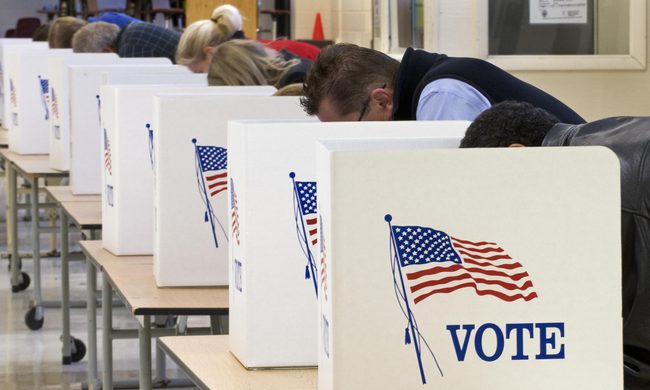
Voters cast their ballots on Election Day

Another election, another study has concluded that asking an AI chatbot for political guidance is a spectacularly bad idea. Research conducted during Hungary’s 2026 parliamentary election found that ChatGPT and Google Gemini offered not just inaccurate but also inconsistent and unreliable voting advice. The chatbots misclassified voter profiles, overlooked relevant parties, recommended parties absent from the ballot, and sometimes produced materially different answers when given the same information repeatedly.

AI keeps failing the voter test

Read more
Samsung’s humanoid robot ambitions are real, but factories come first
Samsung’s new robotics division has humanoids in its sights, although its immediate business is far more practical factory automation
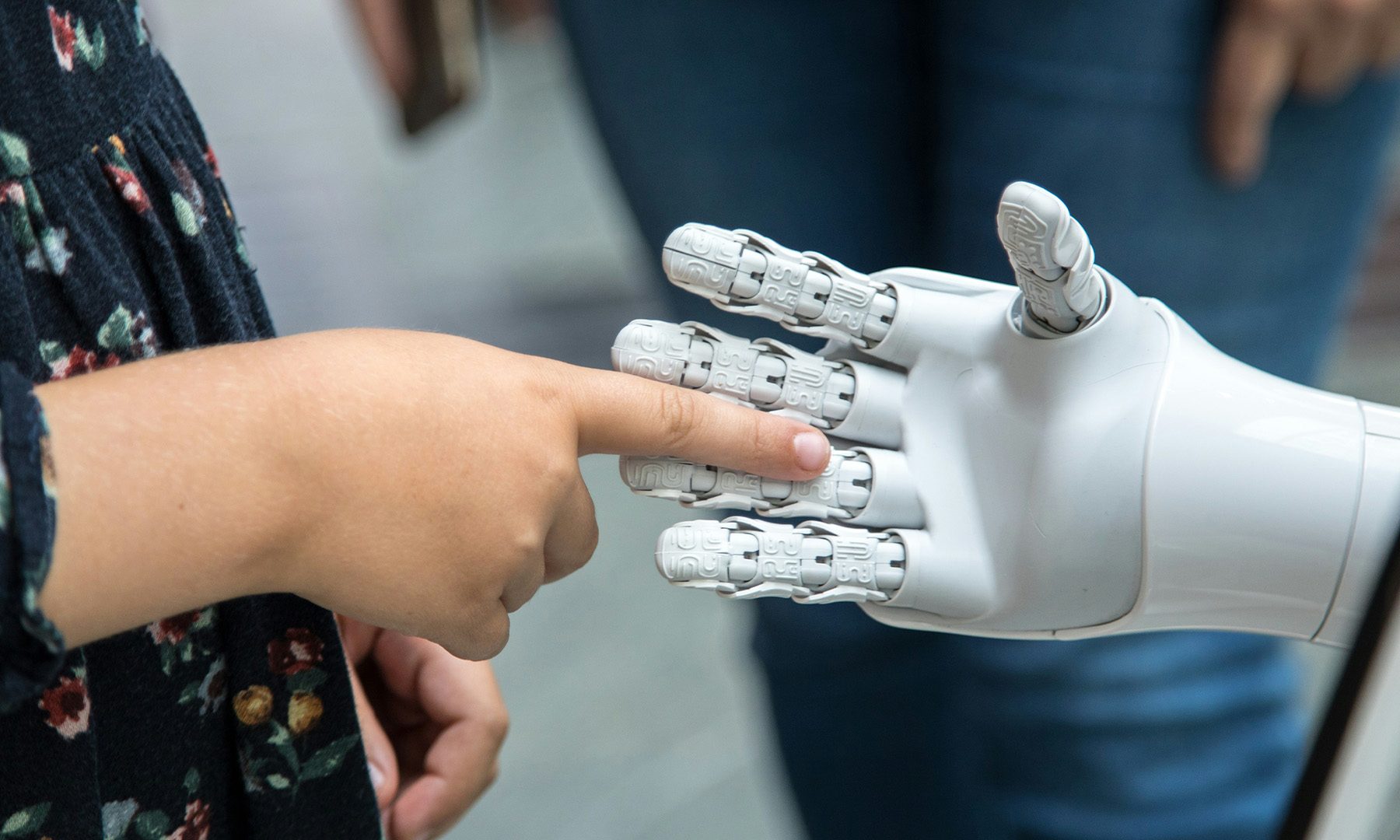
Robot Touch Human Finger

Samsung wants a place in the humanoid race, but its new robotics push begins with machines built for factories rather than homes.

The CEO-led RX robotics division will initially focus on manufacturing robots. Samsung has separately identified humanoids as a priority, although it hasn’t announced a commercial model or explained where one fits into the division’s immediate plans.

Read more
The future of AI may depend on this one behind-the-scenes change
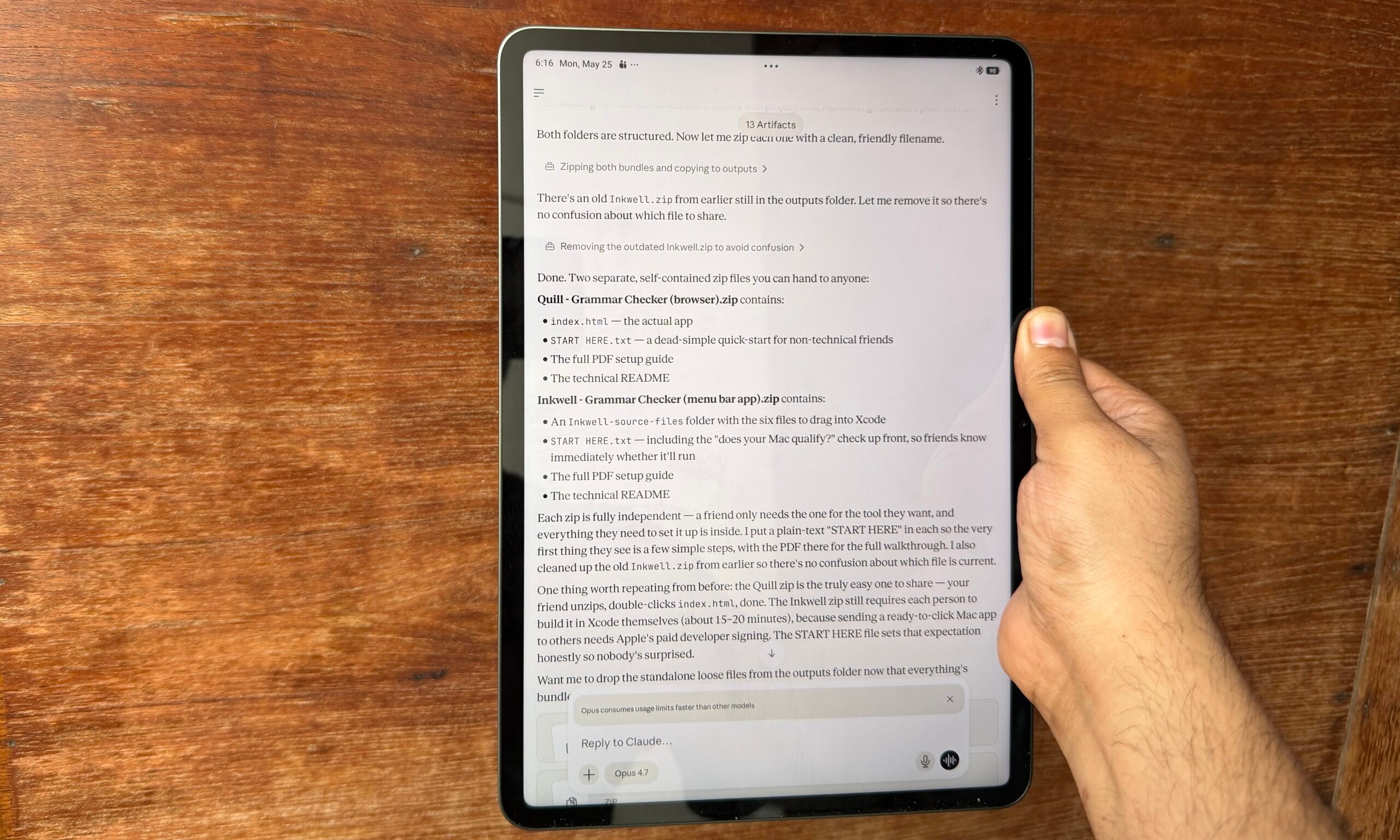
Running Claude on Android.

Whenever a new AI model arrives, it's easy to get caught up in the bells and whistles. We talk about how much smarter it is, how quickly it answers questions, or how realistic its images have become. But here's the thing: none of that matters much if the AI can't reliably work with the apps and services people use every day.

That's why an upcoming update to the Model Context Protocol (MCP) caught my attention. It isn't a new chatbot or a fancy AI model. In fact, most people will never even know it's happening. But it could quietly make the AI ecosystem a lot healthier. If you've never heard of MCP before, don't worry. Think of it as a shared language that lets AI assistants safely talk to apps like Gmail, Slack, calendars, databases, and countless other services. Instead of every company inventing its own way to make those connections, MCP gives everyone a common rulebook.

Read more