  1. Home
  2. Phones
  3. Mobile
  4. Photography
  5. Social Media
  6. News

Turn your iPhone into a modern-day camcorder with the new Air app

Add as a preferred source on Google
air app camcorder
Image used with permission by copyright holder

We may not be walking around with camcorders any longer to capture our favorite family memories in the form of grainy video footage, but that doesn’t mean we’re no longer interested in recording content. Now, you can replace your old video camera with a new app that promises to bring home movies to the latest, most digitally savvy generation of parents. Meet Air, a new family camcorder app that will help you capture unlimited HD video straight from your phone.

Rather than buying a separate video camera to help moments last for a lifetime, you can instead download this new app. It features all the same functionality as the camcorders you are accustomed to, but with the convenience that you have come to depend upon. Simply hit the record button to start recording, and you should find yourself with HD content in no time.

Recommended Videos

But wait, you say. Can’t I already record videos using my built-in camera app on my smartphone? The short answer, of course, is “yes,” but Air claims to give you a leg up by automatically storing all recorded clips in a custom cloud library (you can remove local copies from your phone, too). That should mean that you can avoid getting “storage full” notifications. Plus, Air purports to use “advanced video technology” to instantly play back your clips, and allow you to view content on any connected device. All you need to do is log into your account, either via a mobile device or computer and swipe through your video gallery.

Air also boasts a Collaborative Reel feature that lets you combine clips together to form a modern home movie reel. If you upload old clips from your camera roll or bring in videos from hard drives, VHS tapes, or DVDs, those can be stored in Air, too.

“We’ve spent over a year thoughtfully designing Air and we’re so excited to finally share our work,” the Air team noted in a statement. “Our technology addresses the many roadblocks involved with creating home movies on your phone and we hope our product can help bring this cherished content format to a whole new generation.”

Air is available for download in the App store. While the first 30 minutes are free, you have to pay a flat fee of $5 a month to continue recording.

Lulu Chang
Fascinated by the effects of technology on human interaction, Lulu believes that if her parents can use your new app…
TSMC might set up a price hike that could come straight for your next phone, laptop, or tablet
Here's what TSMC's rumored 10% chip price increase actually means in dollar terms, and why your next phone or laptop could end up costing more.
TSMC Fab

My wallet flinched the second I saw the words "TSMC" and "price increase" in the same headline, and honestly, yours should too.

Turns out the company behind the silicon powering basically every flagship device out there, including Apple’s A-series and Qualcomm’s Snapdragon processors, is reportedly about to make all of it a little pricier.

Read more
Samsung’s free storage doubling for preorders is gone in Austria, and the replacement isn’t as sweet
Samsung's free storage doubling deal might just be history.
The back of the Galaxy Z Fold 7

If you've pre-ordered a Samsung foldable purely for the free storage bump, tomorrow's Unpacked event might sting a little.

For years, pre-ordering a new Galaxy meant automatically getting double the storage at no additional charge. Buy the 128GB model, walk away with 256GB for the same price. The same applied to the 256GB and 512GB models. However, that might change at the upcoming Galaxy Unpacked event. 

Read more
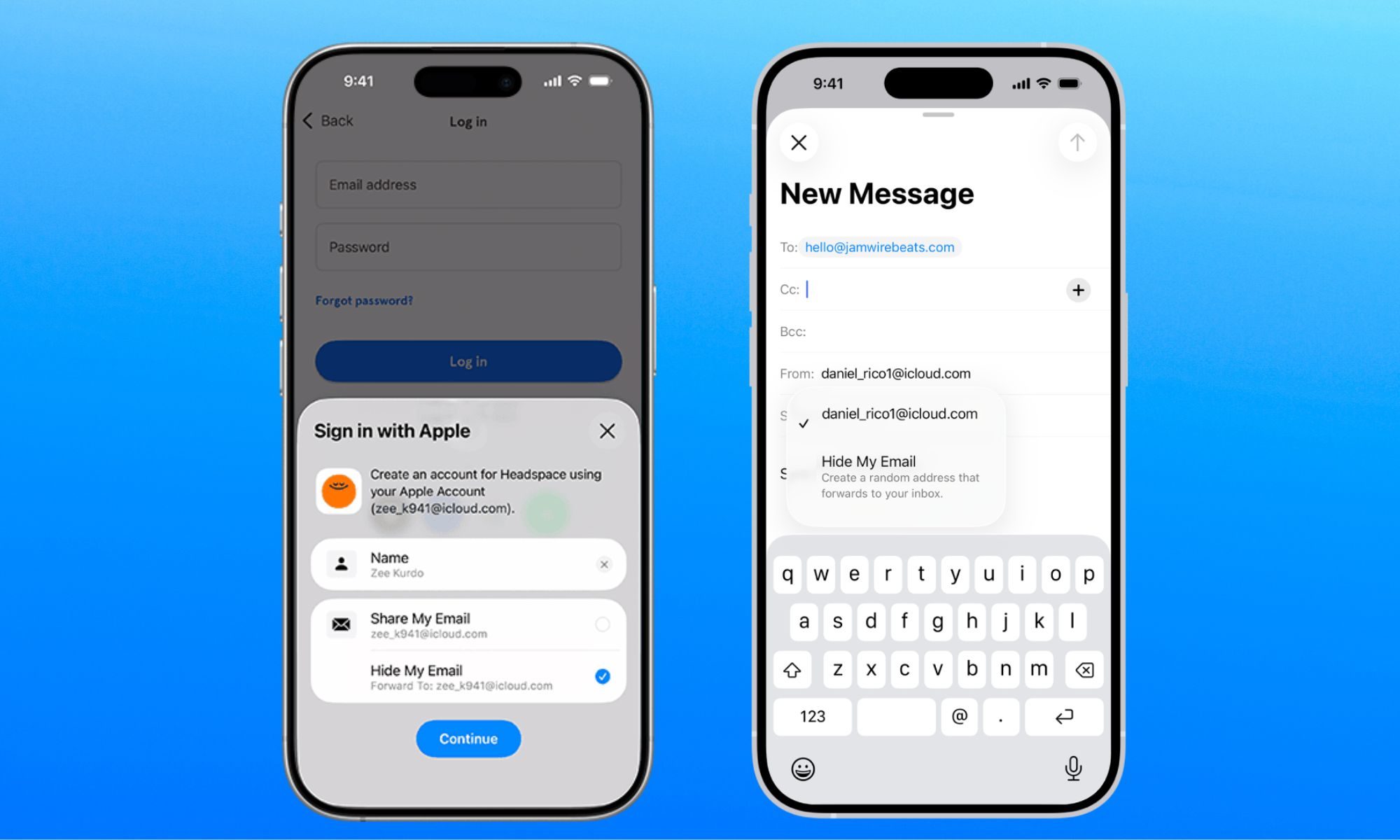
Apple fixes Hide My Email bug that exposed users’ real email addresses
Here's how Apple's Hide My Email flaw leaked real addresses for over a year, and why it only got fixed once the story went public.
apple-merging-sign-in-with-apple-hide-my-email-icloud+

Turns out the "Hide" part of Hide My Email wasn't doing its job quite as advertised, something that I covered early in July. Security researcher Tyler Murphy reported the flaw in June 2025, but despite Apple claiming it was resolved in March 2026, independent tests confirmed it remained exploitable, at least until July 3, 2026.

So how did this bug actually work?

Read more