1. Home
  2. Computing
  3. Emerging Tech
  4. News

Google is learning to differentiate between your voice and your friend’s

Add as a preferred source on Google
Looking to Listen: Stand-up

We may be able to pick out our best friend’s or our mother’s voice from a crowd, but can the same be said for our smart speakers? For the time being, the answer may be “no.” Smart assistants aren’t always right about who’s speaking, but Google is looking to change that with a pretty elegant solution.

Recommended Videos

Thanks to new research detailed in a paper titled, “Looking to Listen at the Cocktail Party,” Google researchers explain how a new deep learning system is able to identify voices simply by looking at people’s faces as they speak.

“People are remarkably good at focusing their attention on a particular person in a noisy environment, mentally “muting” all other voices and sounds,” Inbar Mosseri and Oran Lang, software engineers at Google Research noted in a blog post. And while this ability is innate to human beings, “automatic speech separation — separating an audio signal into its individual speech sources — while a well-studied problem, remains a significant challenge for computers.”

Mosseri and Lang, however, have created a deep learning audio-visual model capable of isolating speech signals from a variety of other auditory inputs, like additional voices and background noise. “We believe this capability can have a wide range of applications, from speech enhancement and recognition in videos, through video conferencing, to improved hearing aids, especially in situations where there are multiple people speaking,” the duo said.

So how did they do it? The first step was training the system to identify individual voices (paired with their faces) speaking uninterrupted in an aurally clean environment. The researchers presented the system with about 2,000 hours of video, all of which featured a single person in the camera frame with no background interference. Once this was complete, they began to add virtual noise — like other voices — in order to teach its A.I. system to differentiate among audio tracks, and thereby allowing the system to identify which track is which.

Ultimately, the researchers were able to train the system to “split the synthetic cocktail mixture into separate audio streams for each speaker in the video.” As you can see in the video, the A.I. can identify the voices of two comedians even as they speak over one another, simply by looking at their faces.

“Our method works on ordinary videos with a single audio track, and all that is required from the user is to select the face of the person in the video they want to hear, or to have such a person be selected algorithmically based on context,” Mosseri and Lang wrote.

We’ll just have to see how this new methodology is ultimately implemented in Google products.

Lulu Chang
Fascinated by the effects of technology on human interaction, Lulu believes that if her parents can use your new app…
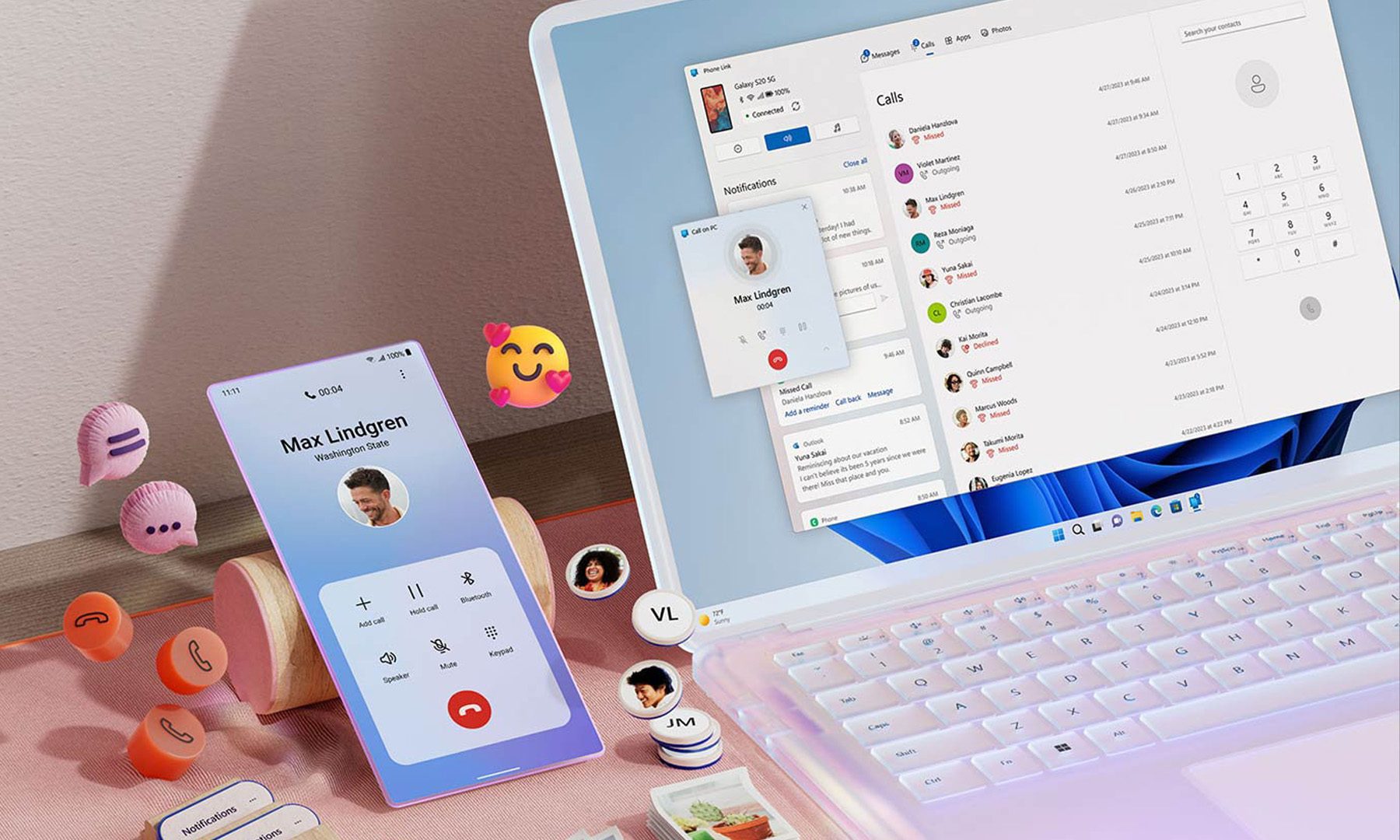
Microsoft wants Windows 11 and your phone to become best friends
Microsoft's latest plans reportedly focus on making the PC and smartphone experience feel seamless.
Windows 11 PC with Android Phone

For years, Phone Link has felt like that one app everyone knows exists but rarely remembers to open. Microsoft apparently wants to change that. According to a report from Windows Central, the company is working on a major overhaul of how smartphones integrate with Windows 11, making phones feel like a native part of the operating system instead of something users access through a separate app.

Phone Link is coming out of hiding

Read more
What are Copilot+ PCs? Everything you need to know
Copilot

Walk through a laptop aisle in 2026 and the Copilot+ PC branding is highlight for most Windows laptops. From Microsoft's own surface to other PC makers like Samsung, HP, and Dell, you can find notebooks that carry this badge to convey that they are AI-ready. At a glance, the name sounds like it refers to a computer with a better version of the Copilot chatbot, which only explains a small part of it.

A Copilot+ PC is a Windows 11 computer that meets Microsoft’s hardware standard for advanced on-device AI features like a compatible processor with a dedicated NPU. You also need a certain amount of RAM and storage, all of which brings access to Windows features such as Recall, Click to Do, and much more. Many of these experiences use the NPU to process information locally, reducing their reliance on cloud servers and helping them run more efficiently in the background.

Read more
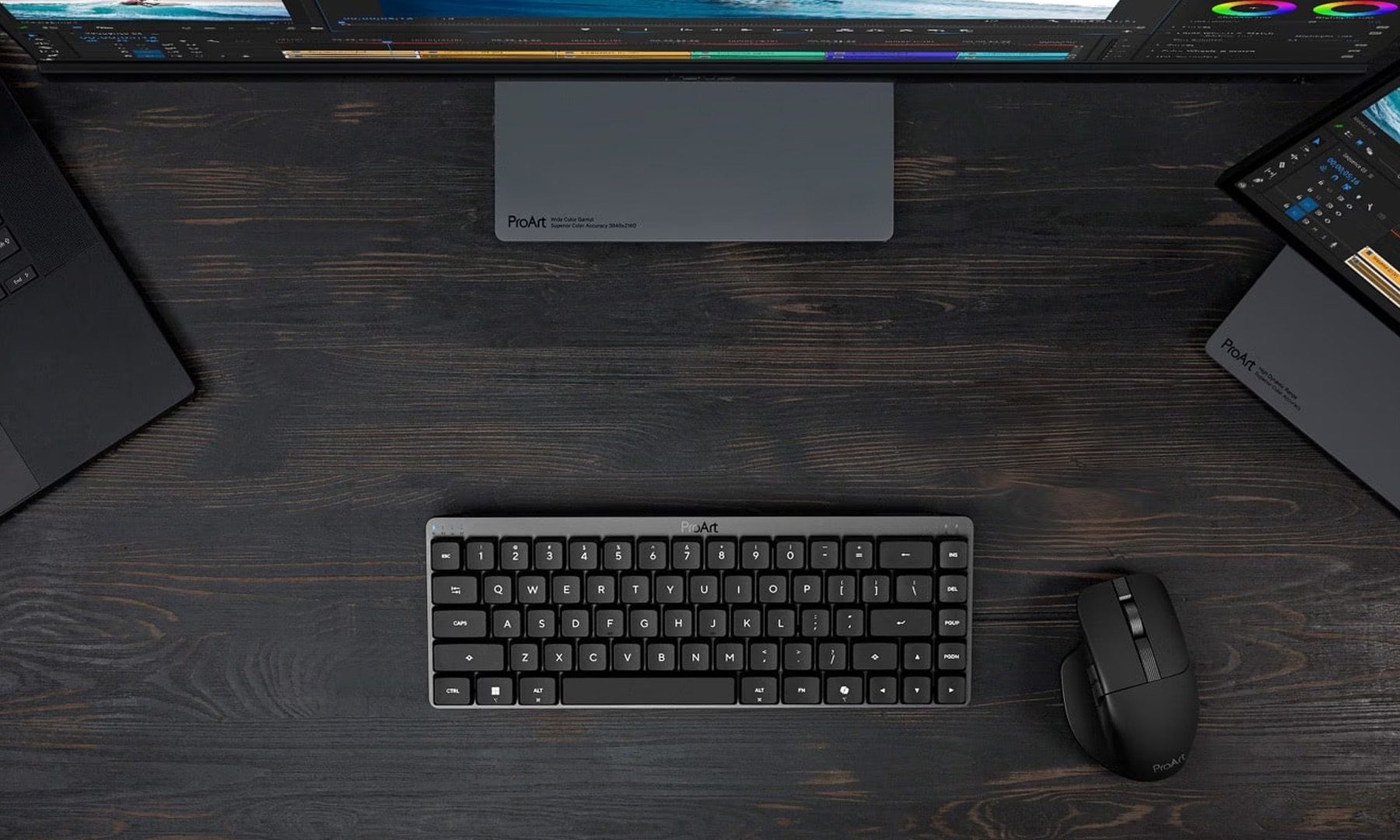
ASUS expands its ProArt lineup with a compact keyboard and a smart creator mouse
The new ProArt KD300 and MD301 are designed to make life easier for designers, editors, and creators.
ASUS ProArt Keyboard KD300 and ProArt Mouse MD301

Creators have long had plenty of powerful laptops and monitors to choose from. Keyboards and mice? Not so much. ASUS is looking to change that with the expansion of its ProArt accessory lineup. Leading the announcement is the new ProArt Keyboard KD300, a compact low-profile keyboard that's designed to work alongside the ProArt Mouse MD301, giving creators a matching desktop setup built specifically for productivity instead of gaming.

A compact keyboard that doesn't sacrifice functionality

Read more